
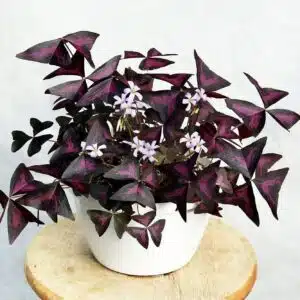
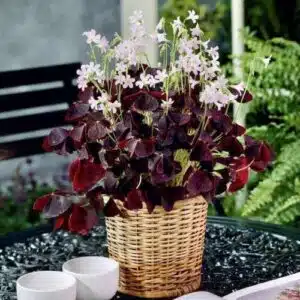
False Shamrock ( Oxalis Triangularis ) Ornamental Live Plant 10”-20”
Embracing the Allure of the False Shamrock: Nature's Enigmatic Three-Leaf Wonder
Step into a world where botanical mysteries unfold, and the charm of a rare foliage becomes a treasure to be discovered. The False Shamrock, scientifically known as Oxalis triangularis, invites you to explore the enigmatic beauty of its three-leaf wonders, an ode to the intricate elegance that nature weaves.
Poisonous: It's important to be aware that certain species of Oxalis, such as Oxalis triangularis, may contain oxalic acid, which can be toxic if consumed. Caution should be exercised when handling the plant, and it's advisable to keep it out of reach of children and pets. In case of ingestion, seek prompt medical attention. The toxicity of oxalic acid found in plants like Oxalis triangularis can vary. In moderate quantities, it might cause irritation or discomfort if ingested. However, consuming larger amounts could potentially lead to more serious health effects. It's best to avoid ingestion and take necessary precautions to prevent any potential harm. If there is concern about exposure or consumption, seeking medical advice is recommended.
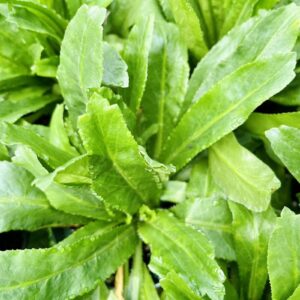
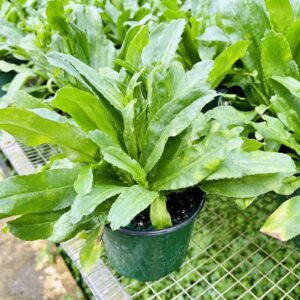
Long Coriander / Culantro (Eryngium foetidum) tropical live vibrant thriving plant 6″
Long Coriander, scientifically known as Eryngium foetidum, is a unique herb that tantalizes the senses with its distinct flavor and aroma, offering a culinary adventure that transcends traditional palates. This herb, cherished for its bold taste and cultural significance, invites you to explore its exotic essence and the culinary wonders it brings to the table.
A Journey of Flavor and Aroma:
Long Coriander stands apart with its intense flavor profile that combines the essence of coriander, citrus, and mint. The leaves release a pungent aroma that captures the essence of its tropical origins, adding depth and complexity to a wide range of dishes.
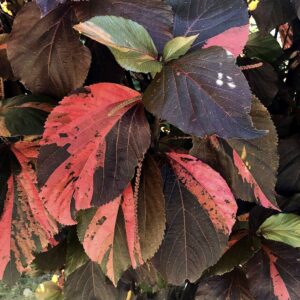
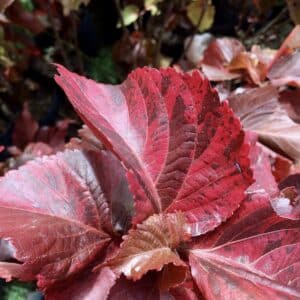
Copper Leaf (Acalypha wilkesiana) live ornamental plant 12″ -24″
The Copper Leaf Plant, scientifically known as Acalypha wilkesiana, is a striking tropical shrub celebrated for its vibrant and colorful foliage. Native to the Pacific Islands, this plant belongs to the Euphorbiaceae family and is widely cultivated as an ornamental plant in gardens, landscapes, and containers. Its bold, coppery-red, green, pink, or bronze-colored leaves make it a popular choice for adding a dramatic splash of color to any setting.
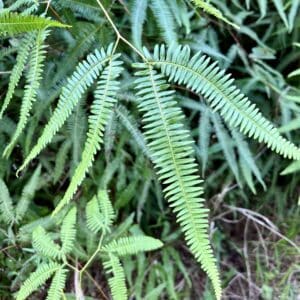
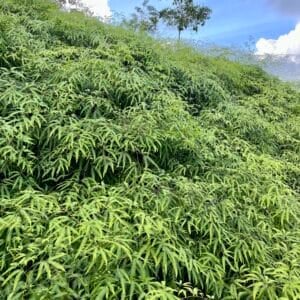
Old World forked fern tropical live plant 12″
The Old World Forked Fern, scientifically known as Dicranopteris linearis, is a fern species native to tropical and subtropical regions across Asia, Africa, and Australia. It features finely divided fronds that grow in a distinctive forked pattern along a central stem. This fern prefers moist, well-drained soil and partial to full shade, making it suitable for use as a ground cover or potted plant. With its ornamental value and historical significance, the Old World Forked Fern is a charming addition to any garden or indoor space.
When you purchase a from us, rest assured that we prioritize swift and efficient delivery. Following the receipt of your payment, we dispatch your tree the very next day through USPS, ensuring a quick transition from our care to yours. Our fruit trees are not only certified by the USDA, guaranteeing their quality and adherence to stringent agricultural standards, but they also come with a 30-day guarantee. Should you encounter any issues within this period, please don't hesitate to contact us at the number provided above. For a faster resolution, we recommend sending pictures or explaining the situation with your order number. This allows us to understand the issue fully and take the necessary steps to make things right for you.
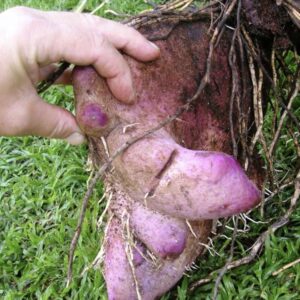
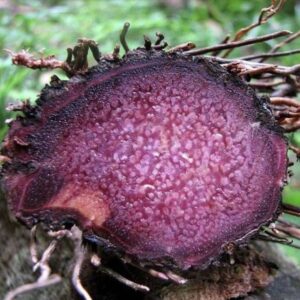
Purple Lesser yam Ñame (Dioscorea alata) plant
Dioscorea alata, also known as purple yam, is a perennial vine that is native to Asia, but is now grown in many tropical regions around the world. It is a valuable crop plant, known for its large, starchy tubers that are a staple food in many cultures. In this description, we will discuss how to plant and care for Dioscorea alata, and some of the benefits it can provide.
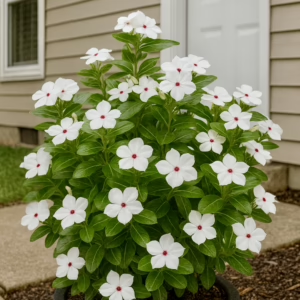
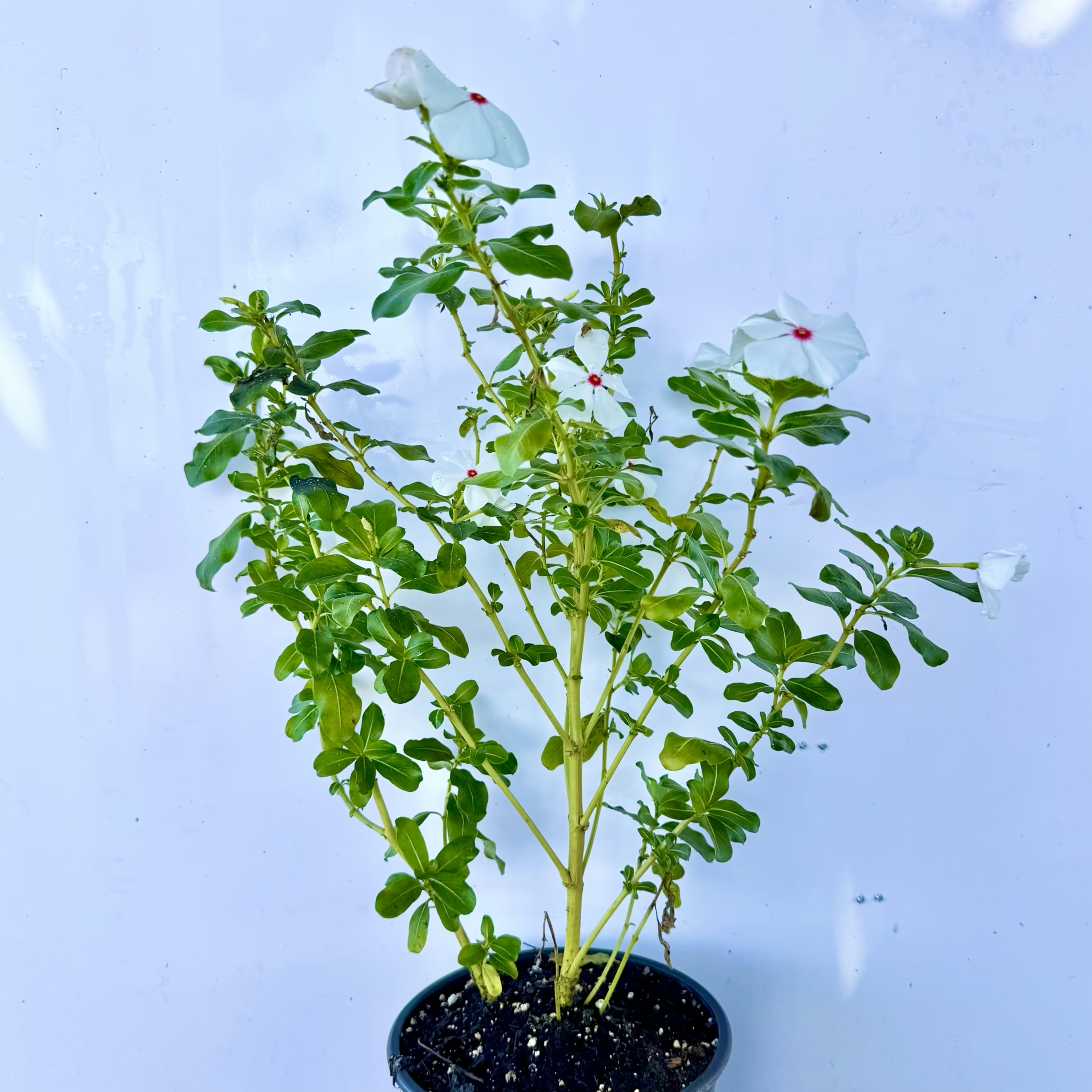
Madagascar periwinkle (Catharanthus roseus) live plant 1’ – 2’ feet tall
This plant typically grows between 1 and 2 feet tall with a bushy, rounded form. The leaves are glossy, dark green, and oval-shaped with a smooth texture and prominent central vein. The flowers appear in clusters and come in various shades depending on the variety, including pink, white, red, lavender, and bi-color forms. The most common appearance includes five rounded petals forming a star-shaped bloom with a contrasting “eye” in the center.
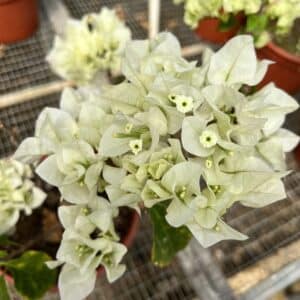
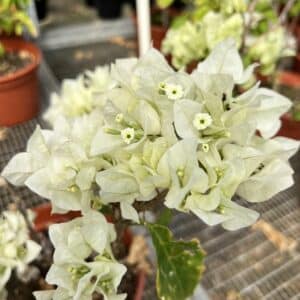
White flower plant / white trinitaria (Bougainvillea glabra alba) live plant 1’-2’ feet tall
The White Trinitaria, also known as Bougainvillea glabra alba or white bougainvillea, is a stunning tropical flowering plant prized for its vibrant white bracts and lush green foliage. Native to South America, this hardy vine has become popular in warm climates worldwide, where it is often used to add bright color and a tropical flair to gardens, patios, walls, and fences.
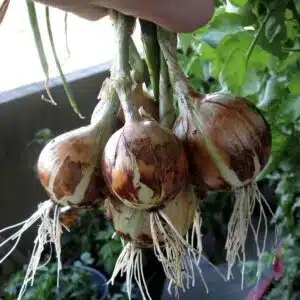
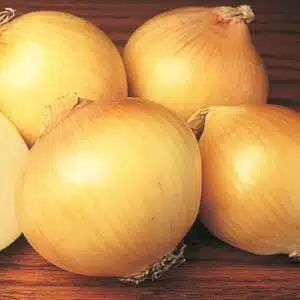
Spanish onions live plants 12”-18”
The Spanish Onion, scientifically known as Allium cepa var. cepa, is a versatile and flavorful onion variety that adds a touch of mild sweetness to a wide range of culinary creations. This onion, cherished for its distinctive taste and culinary flexibility, invites you to explore its culinary charm and the role it plays in enhancing dishes with its savory essence.
A Delicate Balance of Flavor:
The Spanish Onion stands out with its balanced flavor profile—less pungent and sharper than its counterparts. Its mild sweetness and subtle bite make it an ideal choice for salads, salsas, and dishes where a gentler onion flavor is desired.
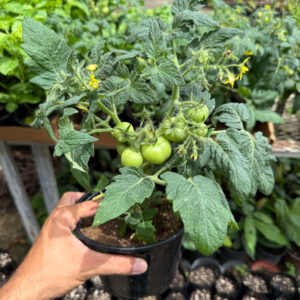
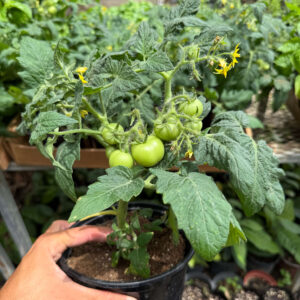
Tomatoes ( Solanum lycopersicum ) live plant 6″ – 12″
Tomatoes (Solanum lycopersicum) are one of the most rewarding and widely grown vegetables in the world. Whether grown in a garden bed, raised container, or even in a hanging basket, tomatoes offer excellent nutritional value and culinary versatility. With proper care, including regular watering, fertilizing, pruning, and pest management, tomato plants can produce a bountiful harvest of delicious fruit. Whether eaten fresh, cooked into meals, or preserved for future use, tomatoes remain a staple in kitchens and gardens around the globe.
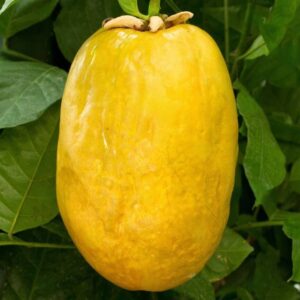
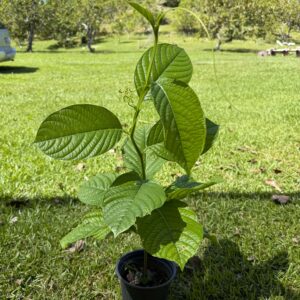
Giant Granadilla (Passiflora quadrangularis) tropical live fruit plant 1′-2′ feet tall
Giant Granadilla, Passiflora quadrangularis, is a rewarding tropical vine that offers both ornamental and edible benefits. With proper care, including consistent watering, regular fertilizing, and pest management, the vine will thrive and produce large, sweet, and tangy fruits for many years. Whether grown for its impressive fruits or as a beautiful climbing vine, the Giant Granadilla is a great addition to any tropical or subtropical garden.
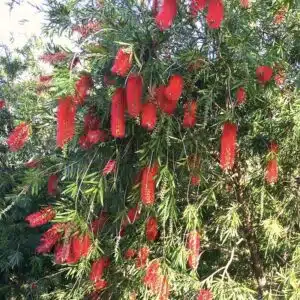
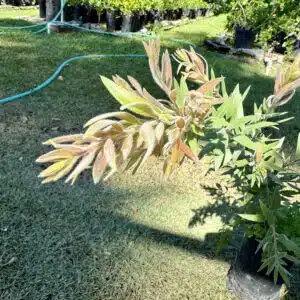
Lemon Bottlebrush (Callistemon citrinus) living plant 1-2 feet tall
The Lemon Bottlebrush (Callistemon citrinus) is a striking evergreen shrub or small tree known for its vibrant red, bottlebrush-shaped flowers and aromatic, citrus-scented foliage. Native to Australia, this resilient and easy-to-grow plant has become popular worldwide in tropical and subtropical climates due to its ornamental appeal, low maintenance needs, and ability to attract pollinators such as bees, butterflies, and hummingbirds. It is an excellent choice for gardens, hedges, screens, and container planting.
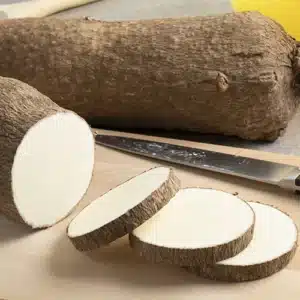
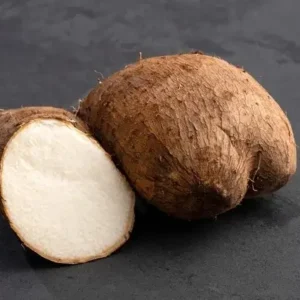
Lesser yam Ñame (Dioscorea alata) plant
Dioscorea alata, also known as purple yam, is a perennial vine that is native to Asia, but is now grown in many tropical regions around the world. It is a valuable crop plant, known for its large, starchy tubers that are a staple food in many cultures. In this description, we will discuss how to plant and care for Dioscorea alata, and some of the benefits it can provide.