
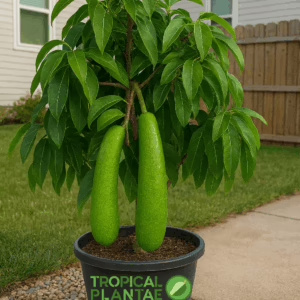
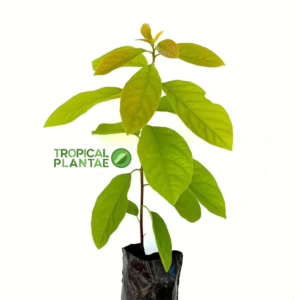
AVOCADO LONG NECK FRUIT TREE ( persea americana )
The Avocado Longneck tree is a remarkable tropical variety that offers you the chance to plant something today that will transform your outdoor space and bring lasting value to your home. Known for producing long, bottle-shaped avocados with rich, creamy flesh, this tree becomes a future source of abundance and beauty. Planting it now means you begin a journey that grows with you, adding purpose, freshness, and natural elegance to your environment. Tomorrow, when you see this young tree settling into the soil, you’ll feel that sense of progress—the feeling that you’re building something meaningful that continues rewarding you year after year.
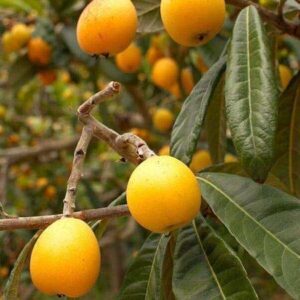
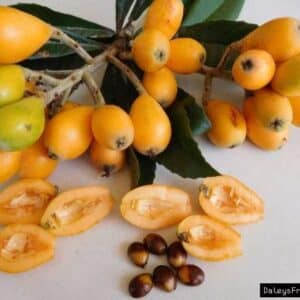
Loquat (Eriobotrya japonica) tropical live fruit tree 1’-2’
Eriobotrya japonica, commonly known as the loquat tree or Japanese plum, is a versatile and ornamental fruit tree that combines beauty with delicious and nutritious fruit. This tree, celebrated for its attractive foliage, fragrant blossoms, and sweet, tangy fruit, invites you to explore its dual role as an ornamental plant and a source of culinary delight.
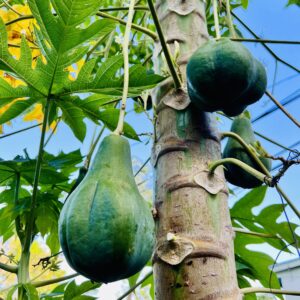
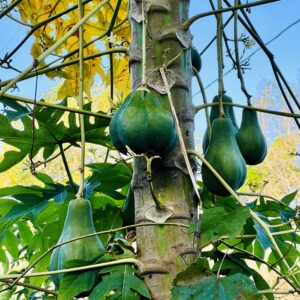
Hanging Papaya (Carica papaya) live fruit tree 1’-2’
The Hanging Papaya variety is a unique type of papaya known for its distinct growth pattern and productive fruiting habit. Unlike the typical papaya tree, where fruits grow in clusters along the trunk, the Hanging Papaya variety produces its fruits on hanging stems that dangle from the tree’s crown, making it easy to identify and harvest. This tropical fruit tree is a great addition to gardens and farms, particularly in warm climates, where its fast growth and abundant fruit production make it an appealing choice.
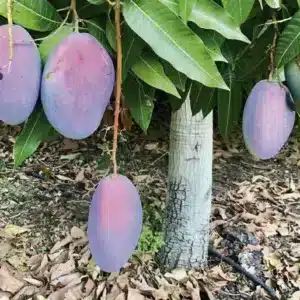
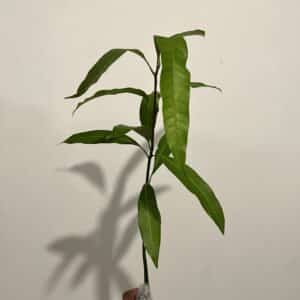
Mango Palmer ( manglifera ) tropical live fruit tree 1′- 2′ feet
Mango Palmer seedlings are grown from seeds of the Palmer mango variety, a well-known and prized mango cultivar that originated in Florida. The Palmer mango is cherished for its large size, vibrant color, and rich, sweet flavor. Although seedlings do not always produce fruit identical to the parent plant, the Palmer variety is often propagated this way in tropical and subtropical regions.
The Mango Palmer seedling tree can grow to a height of 15 to 30 feet, depending on the growing conditions and care it receives. Like other mango trees, it has a dense, upright growth habit with large, lance-shaped, glossy green leaves. Palmer mango seedlings are fast-growing and can establish themselves quickly in warm climates with the right care.
The fruit of the Palmer mango, once the seedling matures, is typically medium to large, with an elongated oval shape. The skin is smooth and turns from green to yellow-orange with a pinkish-red blush as it ripens. The flesh inside is juicy, with a deep orange color and a rich, sweet flavor, often with a mild tanginess. The flesh is generally fiberless or has minimal fibers, making it a popular choice for fresh consumption and culinary uses like smoothies, salads, and desserts.
Grafted ‘ Cubano’ Mango tropical Big fruit tree 3′-4′ feet tall
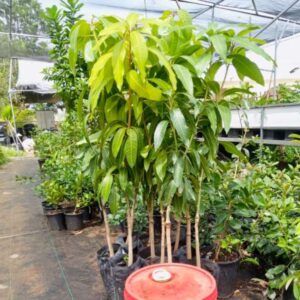
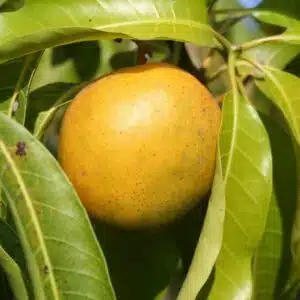
The grafted Mango Cubano variety is a highly sought-after mango known for its sweet and aromatic flavor, making it a favorite among mango enthusiasts. This tropical fruit tree, when grafted, ensures consistency in fruit quality and disease resistance, providing a reliable and productive mango tree for home gardeners and commercial growers alike.
The Mango Cubano tree typically grows to a height of 30 to 40 feet with a dense, spreading canopy. The tree has an upright growth habit and features large, glossy, dark green leaves that add to its lush appearance. Grafting this variety involves joining the stem of a selected Mango Cubano cultivar (the scion) onto the rootstock of another mango tree, ensuring the best traits are passed on.

Grafted Sapodilla / zapote (manilkara zapota) tropical live fruit tree 12”-24”
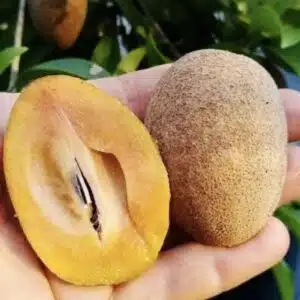
Sapodilla, also known as Manilkara zapota, is a tropical fruit tree native to Central America and the Caribbean. It is valued for its sweet, juicy fruit that is often compared to caramel or brown sugar. In this description, we will discuss how to plant and care for sapodilla trees, and some of the benefits they can provide.
An interesting fact about sapodilla fruit is that it contains a natural latex that is used to make chewing gum. In fact, sapodilla was one of the original sources of chewing gum, and was prized by ancient Mayan and Aztec cultures for its sweet, chewy properties. The sapodilla latex is harvested by making cuts in the bark of the tree and allowing the sap to flow out and harden. The hardened sap is then collected and processed into a chewy, rubbery material that is used to make gum. Today, most commercial chewing gum is made with synthetic latex, but some specialty gum makers still use natural sapodilla latex to create a unique and flavorful chewing experience.

Big Grafted mango (mangifera) tropical live fruit tree 3’-4’ mallika
Introducing the Mango Mallika Fruit Tree: An Exquisite Addition to Your Garden
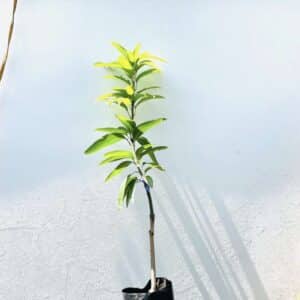
Imagine the pride and satisfaction of plucking sun-kissed, juicy mangoes straight from your very own garden. The Mango Mallika fruit tree (Mangifera indica 'Mallika') is a must-have for any gardening enthusiast with a taste for exotic, delectable fruit. The Mallika variety is renowned for its delightful flavor, boasting a perfect balance of sweetness and acidity, and an irresistible, melt-in-your-mouth texture. As a bonus, this variety is less prone to disease and pests, making it an ideal choice for home gardeners.
Spanish plum / Red Mombin (Spondias purpurea) topical fruit live tree 12″-24″
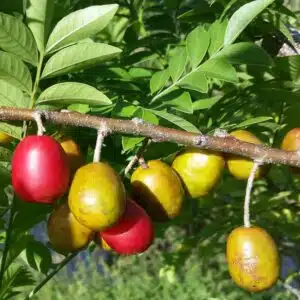
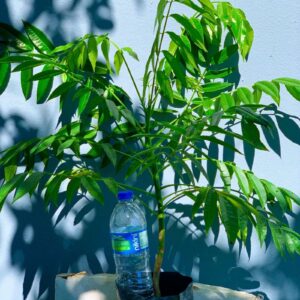
spanish plum Spondias purpurea, commonly known as Purple Mombin or Red Mombin, is a tropical fruit-bearing tree that offers a unique blend of flavor and cultural significance. This tree, cherished for its vibrant fruits and various uses, invites you to explore the richness of its taste and the traditions it embodies.
A Tapestry of Flavor and Color:
Spondias purpurea showcases its allure through its striking fruits, which range in color from deep red to purple. The fruit's tangy and juicy flesh presents a delightful mix of sweet and tart flavors, offering a tropical symphony to your taste buds.


Otaheite gooseberry (Phyllanthus acidus) tropical live fruit tree 1’-2’
Otaheite gooseberry, scientifically known as Phyllanthus acidus, is a small tropical fruit tree that offers a burst of tartness and a touch of sweetness. This delightful fruit, characterized by its unique flavor and bright green color, invites you to explore its tangy taste and the potential health benefits it provides.
Mulberry (Morus) tropical fruit tree 1’-2’
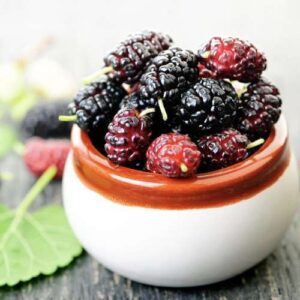
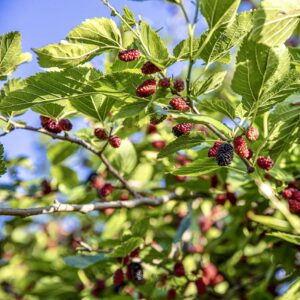
Mulberry, scientifically known as Morus, is a deciduous tree cherished for its sweet and juicy fruit, as well as its leaves that serve as essential food for silkworms. This remarkable tree, celebrated for its versatile uses, invites you to explore its succulent berries, nutritional benefits, and the historical significance it holds.


Star Apple ( Chrysophyllum cainito) Caimito tropical live fruit tree 1′ – 2′
Indulge in the Sweetness of Star Apple Trees: Nature's Candy at Your Fingertips
Get ready to tantalize your taste buds with the luscious star apple tree, now available for online purchase! The star apple, scientifically known as Chrysophyllum cainito, is a tropical delight that brings the flavors of paradise right to your doorstep. With its delectable fruit, glossy leaves, and striking appearance, the star apple tree is a must-have for any garden, promising not just a visual spectacle but also a burst of sweet, exotic flavor.
One Fascinating Fact: A Natural Source of Latex
One intriguing aspect of the star apple tree is its latex content. When the bark is cut, it exudes a milky latex substance that has been used traditionally for various purposes, including as a natural adhesive. While not as widely known as other latex-producing trees, this unique characteristic adds to the star apple's remarkable qualities, making it even more intriguing.
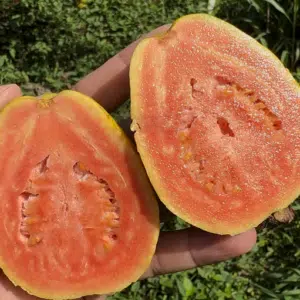
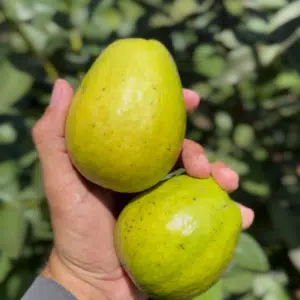
Guava pear (Psidium guajava L.) tropical live big fruit tree 12”-24” tall
The Guava Pear Fruit Tree, scientifically known as Psidium guajava, is a unique variety of guava that produces pear-shaped fruits with a deliciously sweet and aromatic flavor. This tropical and subtropical fruit tree is widely grown for its nutritious fruit, ornamental beauty, and adaptability to various growing conditions. The guava pear tree is a favorite among home gardeners and orchard growers due to its high fruit yields, drought tolerance, and low maintenance requirements.