
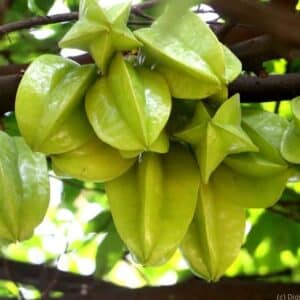
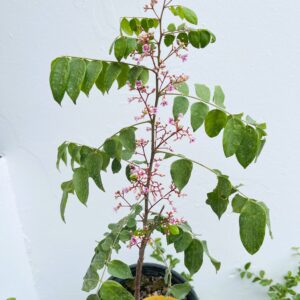
Grafted Star fruit (Averrhoa carambola) live fruit tree 24″- 36″
Grafted Starfruit commonly known as grafted starfruit is a popular and highly productive variety of the starfruit tree. The process of grafting ensures that the tree retains desirable traits from the parent plant, such as superior fruit quality, consistent yield, disease resistance, and faster fruit production compared to trees grown from seed. This makes grafted starfruit trees a preferred choice for both home gardeners and commercial growers who want reliable, high-yielding trees.
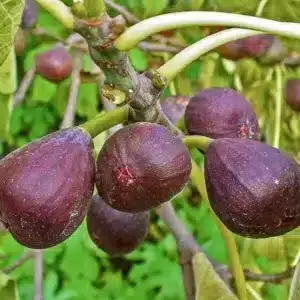
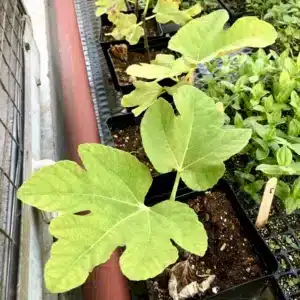
Fig ( Ficus carica ) tropical live plant
Step into a world where nature's artistry takes center stage, where each leaf whispers stories of ancient traditions and the passing of generations. The Ficus Fig Tree (*Ficus carica*), a symbol of grace and abundance, invites you to immerse yourself in the timeless beauty of its foliage and the delectable sweetness of its fruits.
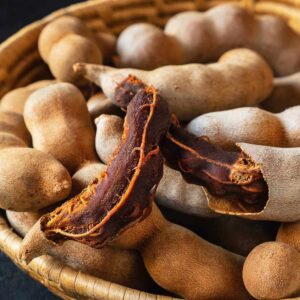
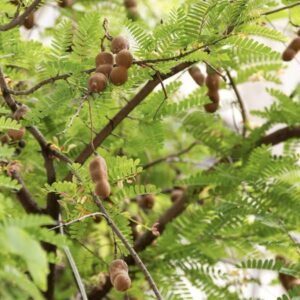
Sour Tamarind (tamarindus indica) live fruit tree 1-2 feet tall
Sour Tamarind, scientifically known as Tamarindus indica, is a tropical fruit-bearing tree renowned for its tangy and highly flavorful fruit. The tamarind tree is native to Africa but has been widely cultivated and naturalized in tropical and subtropical regions around the world. Tamarind fruit is used extensively in culinary, medicinal, and even industrial applications due to its sour taste, nutritional benefits, and versatility. The sour variety of tamarind is especially popular for adding acidity and complexity to dishes and drinks.


Sugar apple (Annona squamosa ) big live fruit tree 12”-24”
Savor the Sweetness of Sugar Apple Trees: Nature's Natural Candy Store
Get ready to embark on a delectable journey with the sugar apple tree, now available for online purchase! The sugar apple, scientifically known as Annona squamosa, is a tropical treasure that brings a taste of paradise right to your garden. With its scrumptious fruit, distinctive appearance, and cultural significance, the sugar apple tree is a must-have for any gardening enthusiast.
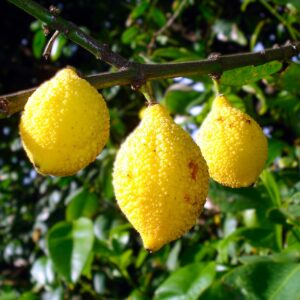
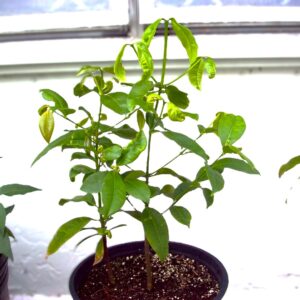
Madroño (Garcinia madruno) tropical live fruit tree 12″- 24″ inch
Garcinia Madroño is a fascinating tropical fruit tree that offers a blend of culinary, nutritional, and ecological benefits. Its attractive appearance, flavorful fruit, and resilience make it a desirable choice for tropical and subtropical gardens, particularly for those interested in sustainable agriculture or agroforestry. Whether enjoyed fresh, incorporated into dishes, or used in traditional remedies, Garcinia madruno provides a unique taste of the tropics and plays a valuable role in supporting biodiversity and local ecosystems. With proper care, including consistent watering, appropriate fertilization, and occasional pruning, Garcinia madruno can thrive and provide abundant harvests for years to come, making it a rewarding addition to any tropical garden.
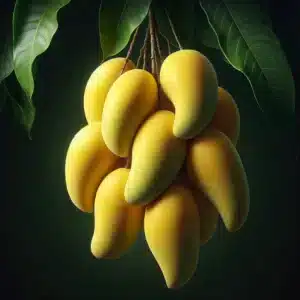
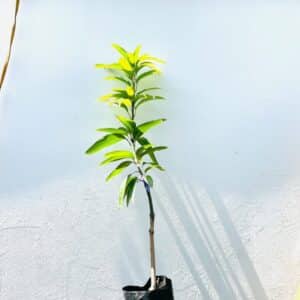
Big Grafted mango (mangifera indica) tropical fruit tree colombo kidney 3′-4′ feet tall
The grafted mango fruit tree known as Colombo Kidney, scientifically classified as Mangifera indica 'Colombo Kidney', produces large, kidney-shaped fruits with exceptional flavor. It reaches heights of 30 to 45 feet with dark green foliage and an upright, symmetrical growth habit. Plant in a sunny location with well-drained soil and water regularly. Colombo Kidney mango trees thrive in warm, tropical climates and are relatively low-maintenance. Consider adding a grafted Colombo Kidney mango tree to your garden for its delicious fruits and ornamental value.
When you purchase a fruit tree from us, rest assured that we prioritize swift and efficient delivery. Following the receipt of your payment, we dispatch your tree the very next day through USPS, ensuring a quick transition from our care to yours. Our fruit trees are not only certified by the USDA, guaranteeing their quality and adherence to stringent agricultural standards, but they also come with a 30-day guarantee. Should you encounter any issues within this period, please don't hesitate to contact us at the number provided above. For a faster resolution, we recommend sending pictures or explaining the situation with your order number. This allows us to understand the issue fully and take the necessary steps to make things right for you.
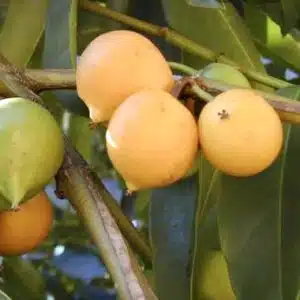
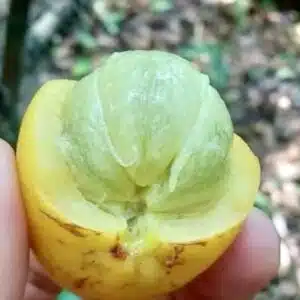
Yellow Mangosteen (Garcinia xanthochymus) Live Fruit Tree 12″-24″
The Yellow Mangosteen tree, scientifically known as Garcinia xanthochymus, produces small, round fruits with a vibrant yellow rind and sweet, tangy flesh. It reaches a height of 20 to 40 feet with glossy foliage and an upright, pyramidal shape. Plant in a sunny location with well-drained soil and water regularly. Yellow Mangosteen trees thrive in warm climates and can be grown in containers with proper care. Consider adding a Yellow Mangosteen tree to your garden for its delicious fruits and ornamental value.
When you purchase a fruit tree from us, rest assured that we prioritize swift and efficient delivery. Following the receipt of your payment, we dispatch your tree the very next day through USPS, ensuring a quick transition from our care to yours. Our fruit trees are not only certified by the USDA, guaranteeing their quality and adherence to stringent agricultural standards, but they also come with a 30-day guarantee. Should you encounter any issues within this period, please don't hesitate to contact us at the number provided above. For a faster resolution, we recommend sending pictures or explaining the situation with your order number. This allows us to understand the issue fully and take the necessary steps to make things right for you.
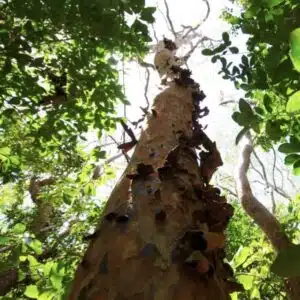

Soldierwood [Colubrina elliptica] tropical live fruit tree 12″-24″
Soldierwood tree :
Colubrina elliptica is an excellent choice for coastal landscapes, where its tolerance to salt spray and wind, as well as its attractive foliage and ecological benefits, make it a valuable addition. While its fruits may not be suitable for human consumption, the tree provides habitat and food for local wildlife, contributing to the biodiversity of the ecosystem. Whether planted in the ground or grown in containers, Colubrina elliptica adds beauty and resilience to gardens and landscapes in tropical and subtropical regions.
When you purchase a fruit tree from us, rest assured that we prioritize swift and efficient delivery. Following the receipt of your payment, we dispatch your tree the very next day through USPS, ensuring a quick transition from our care to yours. Our fruit trees are not only certified by the USDA, guaranteeing their quality and adherence to stringent agricultural standards, but they also come with a 30-day guarantee. Should you encounter any issues within this period, please don't hesitate to contact us at the number provided above. For a faster resolution, we recommend sending pictures or explaining the situation with your order number. This allows us to understand the issue fully and take the necessary steps to make things right for you.


Ackee / aki (Blighia sapida) tropical live fruit tree 12”-24”
The Ackee tree, scientifically known as Blighia sapida, is a tropical evergreen tree native to West Africa. It is renowned for its distinctive fruit, the Ackee, which is a staple in Caribbean cuisine and holds a special place in the culinary traditions of the region. However, the Ackee fruit comes with a unique caveat - it must be harvested and prepared with care due to its toxic properties when unripe. In this guide, we'll explore the Ackee tree, its characteristics, cultivation, culinary uses, and safety precautions.
Ackee: Jamaica's National Fruit: The Ackee tree holds the prestigious title of being Jamaica's national fruit. It was declared the national fruit of Jamaica in 1995, symbolizing its significance and cultural importance in the country. This recognition highlights how deeply ingrained Ackee is in Jamaican culture and cuisine, where it plays a central role in many traditional dishes.
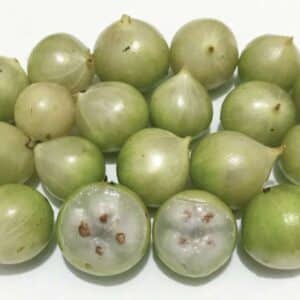
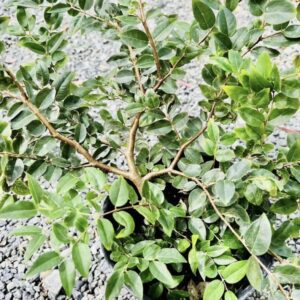
White Jaboticaba (Plinia cauliflora) Tropical Living Fruit Tree 12” inches
White Jaboticaba Jaboticaba, also known as Brazilian grape tree, is a fruit tree native to Brazil that is now commonly grown in tropical and subtropical regions around the world. The tree produces small, grape-like fruits that are ligth green in color and have a sweet, juicy flesh. In this description, we will discuss how to plant and care for Jaboticaba trees, and some of the benefits they can provide.
An interesting fact about Jaboticaba trees is that they have a unique growth pattern. Unlike most fruit trees, which bear fruit on the ends of branches, Jaboticaba trees bear fruit directly on the trunk and larger branches. This means that the entire tree can be covered in fruit, creating a striking visual display. In addition, Jaboticaba trees have a relatively long lifespan, with some trees living for over 100 years. The combination of their unique growth pattern and longevity makes Jaboticaba trees a fascinating and rewarding addition to any garden or landscape.
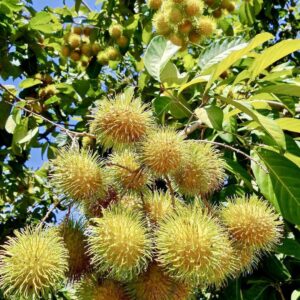
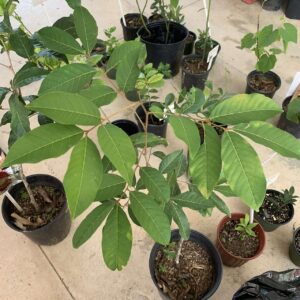
Grafted Yellow Rambután (Nephelium lappaceum) exotic fruit live tree 24”-36”
Golden Rambutan, a rare and sought-after variety, is a prized addition to tropical fruit collections. This distinct cultivar, a variation of the traditional rambutan, is celebrated for its vibrant appearance and unique flavor.
Interesting Fact about Golden Rambutans:
Golden Rambutans are relatively rare compared to their red counterparts. Their unique color and slightly varying taste make them a sought-after delicacy among fruit aficionados. This distinct hue in the rambutan family adds an intriguing and exotic touch to fruit collections and culinary experiences.

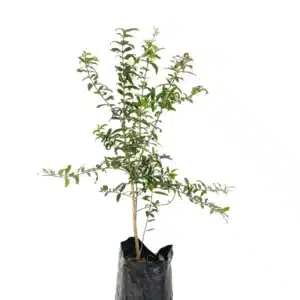
Pomegranate Tropical Fruit Tree 24”-36”
Pomegranate is a fruit tree that is known for its striking appearance, with bright red fruit encasing juicy, ruby-colored seeds. The pomegranate tree is a drought-resistant plant that can grow up to 30 feet tall and wide, and can live for up to 200 years. In this description, we will discuss how to plant and care for a pomegranate tree, and some of the benefits it can provide. An interesting fact about pomegranates is that they have been revered throughout history for their medicinal properties. In ancient times, pomegranates were believed to have healing powers and were used to treat a variety of ailments, including infections, diarrhea, and even infertility. Modern research has shown that pomegranates are indeed a rich source of antioxidants and anti-inflammatory compounds, which may help to protect against chronic diseases such as heart disease and cancer. The juice of the pomegranate fruit has also been found to have antibacterial and antiviral properties, making it a valuable addition to a healthy diet.
The pomegranate tree (Punica granatum) is a versatile and rewarding plant that offers beauty, nutrition, and cultural significance. Its stunning flowers, hardy growth, and delicious fruits make it a favorite among gardeners and fruit enthusiasts alike. With proper care, including regular watering, fertilizing, and pruning, the pomegranate tree can thrive in a variety of climates and provide bountiful harvests for years to come. Whether grown for its ornamental appeal, culinary uses, or health benefits, the pomegranate tree is a timeless addition to any garden or orchard.