
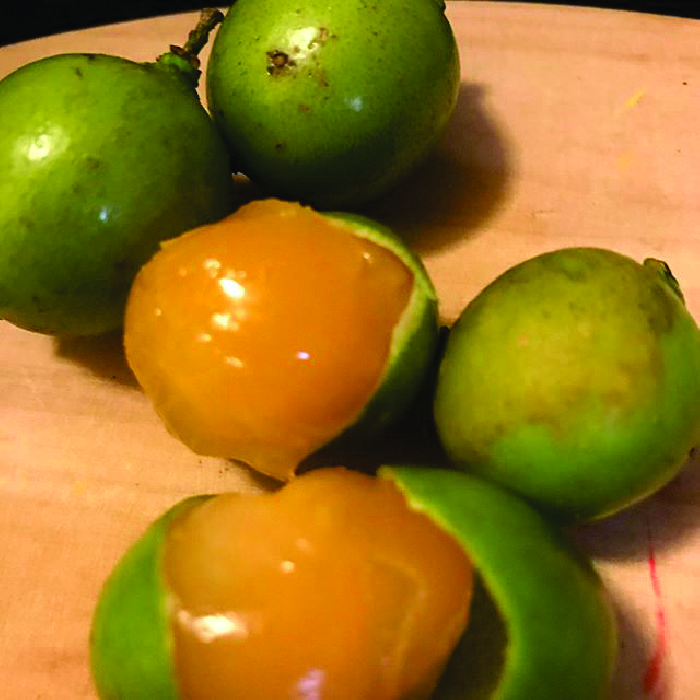


Spanish lime (Melicoccus bijugatu) tropical fruit tree
Original price was: $45.00.$34.99Current price is: $34.99.
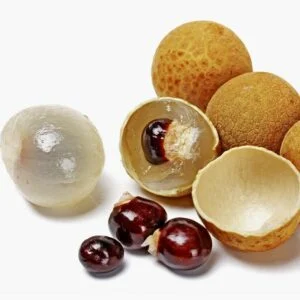
The Spanish lime tree, scientifically known as Melicoccus bijugatus, is a tropical fruit tree native to northern South America and widely cultivated throughout the Caribbean, Central America, and parts of Florida. Also known by several regional names such as quenepa, mamoncillo, limoncillo, ginep, or ackee (in some countries), this tree is prized for its small green fruit that grows in clusters and is enjoyed fresh or in beverages. The Spanish lime tree belongs to the Sapindaceae family, which also includes lychee, longan, and rambutan.
In summary, the Spanish lime tree (Melicoccus bijugatus) is a beautiful, shade-providing tropical fruit tree known for its clusters of green, flavorful fruit. It is easy to grow in warm climates, requires minimal care once established, and offers seasonal harvests of juicy, tangy-sweet fruit enjoyed by people of all ages. Ideal for home orchards, tropical gardens, and fruit collectors, the Spanish lime tree is a rewarding addition to any warm-weather landscape.
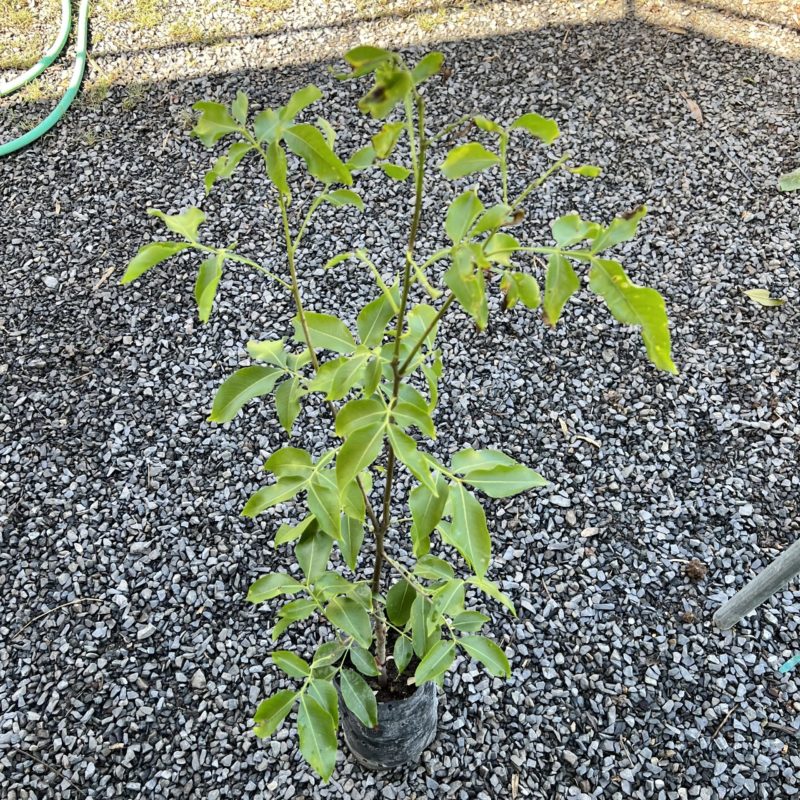
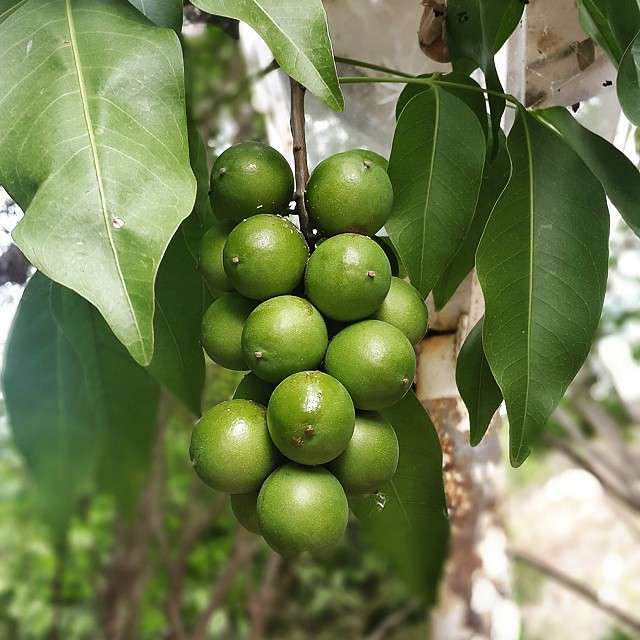
The Spanish lime tree is a large, long-lived, deciduous tree that can grow up to 80 feet tall in its native habitat but is more commonly seen at heights of 30 to 50 feet in cultivated landscapes. It has a dense, rounded canopy and a straight, gray-barked trunk that becomes rougher with age. The foliage is made up of compound leaves with smooth-edged, dark green leaflets that give the tree a full and attractive appearance.
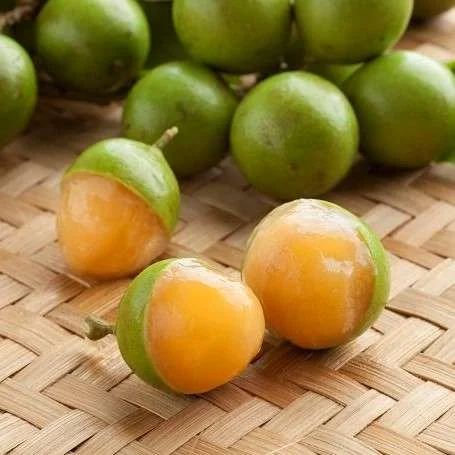
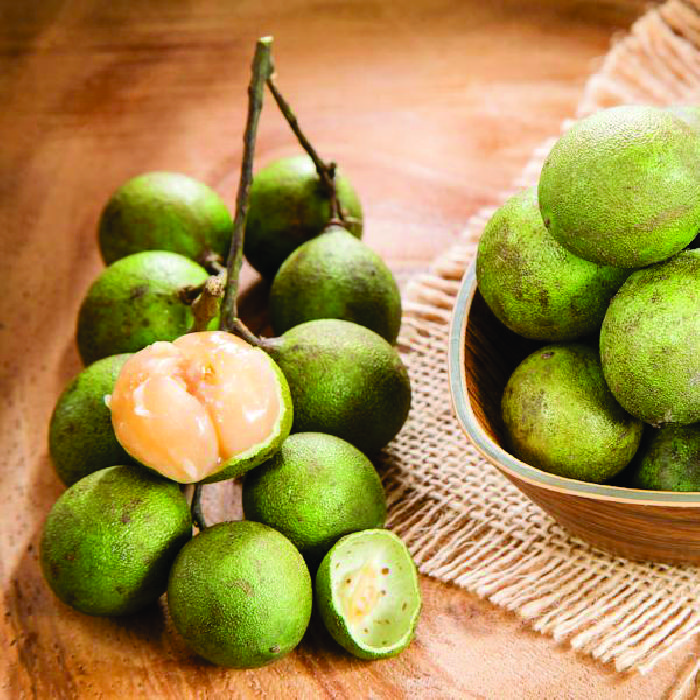
During the flowering season, which typically occurs in spring or early summer, the tree produces small, white to pale green flowers in elongated clusters. These flowers are highly fragrant and attract pollinators like bees. After successful pollination, the tree forms clusters of fruit that resemble small, green limes or olives. Each fruit is typically about 1 to 2 inches in diameter with a thin, leathery green skin that is easily cracked open with gentle pressure.
Inside the fruit is a juicy, orange to salmon-colored pulp that surrounds a large central seed. The pulp has a soft, jelly-like texture and a sweet to tangy flavor depending on the variety and ripeness. The flavor can range from mildly sour to rich and sweet, often with a subtle floral or citrus undertone. The pulp is eaten fresh by sucking it from the seed, or it is used to make juices, candies, jams, and fermented drinks.
The tree thrives in tropical and subtropical climates and grows best in USDA hardiness zones 10 to 12. It requires warm temperatures year-round and does not tolerate frost or prolonged cold. Spanish lime prefers full sun and should be planted in a location that receives at least 6 to 8 hours of direct sunlight per day for optimal fruit production.
This fruit tree grows well in a variety of soil types but prefers well-drained, sandy loam that is slightly acidic to neutral in pH. It is drought-tolerant once established but benefits from regular watering during dry spells, especially during flowering and fruit development. Overwatering or poorly draining soil can lead to root rot, so it’s important to ensure good drainage when planting.
Young trees should be watered regularly until they are well-established, after which they can survive on natural rainfall in many tropical regions. Mulching around the base of the tree helps retain moisture, reduce weed competition, and regulate soil temperature.
Fertilization should be done in spring and summer using a balanced fertilizer formulated for fruit trees. Organic compost or well-aged manure can also be applied to improve soil fertility and structure. Regular feeding supports healthy growth and increased fruit production.
The Spanish lime tree typically begins to bear fruit in 5 to 7 years when grown from seed, but grafted varieties or air-layered trees may begin producing as early as 3 to 4 years. Fruit is usually harvested in late summer through fall, though timing may vary depending on climate and location. The fruit does not ripen significantly after being picked, so it should be harvested when fully mature.
Pruning is minimal but can be done to shape the tree, remove dead or diseased branches, and encourage better air circulation within the canopy. If growing in a home landscape, pruning to keep the tree at a manageable height may also make harvesting easier.
Spanish lime trees are relatively pest-resistant but may occasionally be affected by scale insects, aphids, or fruit flies. Fungal diseases can appear in overly wet conditions. Most issues can be prevented or managed with proper spacing, sanitation, and occasional use of organic sprays like neem oil if needed.
Propagation is typically done from seed, though the resulting trees may vary in fruit quality. For consistent fruit characteristics and earlier bearing, air-layering or grafting from known, productive trees is preferred. These methods ensure the new tree retains the same fruit quality as the parent.
The Spanish lime tree has cultural and culinary importance in many tropical regions. The fruit is often sold in markets and along roadsides during peak season. It is a popular street snack and is commonly chilled and sold in bunches with the skin slightly cracked open for easy eating. In some regions, the pulp is fermented into alcoholic beverages or boiled down into syrups and preserves.
The fruit is low in fat and contains carbohydrates, fiber, and small amounts of vitamins A and C. It also contains minerals like calcium and phosphorus. While the pulp is edible, the large seed is not consumed. In some cultures, roasted seeds are ground and used in traditional remedies or even as a caffeine-free coffee alternative.
| Weight | 10 oz |
|---|---|
| Dimensions | 22 × 4 × 4 in |
| Planting Bag + Soil |
Planting bag + Soil ,I have soil and container |
Related products

Coffee tree (Coffea) live tropical fruit tree 12″-18″
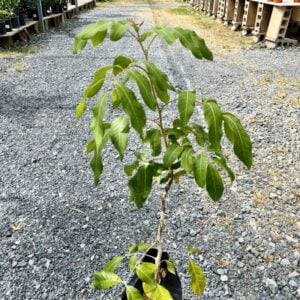
Grafted Longan (Dimocarpus longan) tropical live fruit tree 12″-24″






Reviews
There are no reviews yet.