
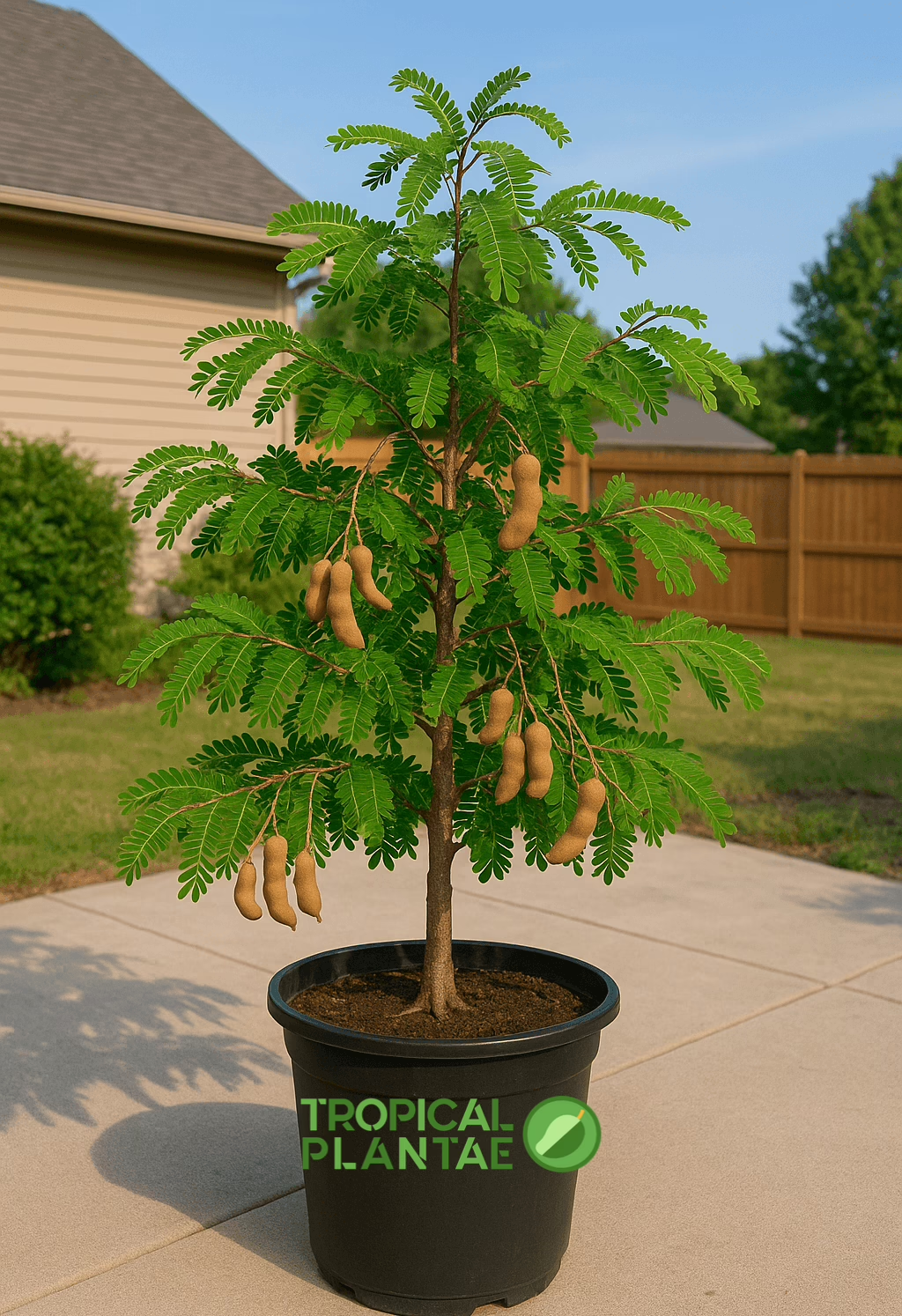
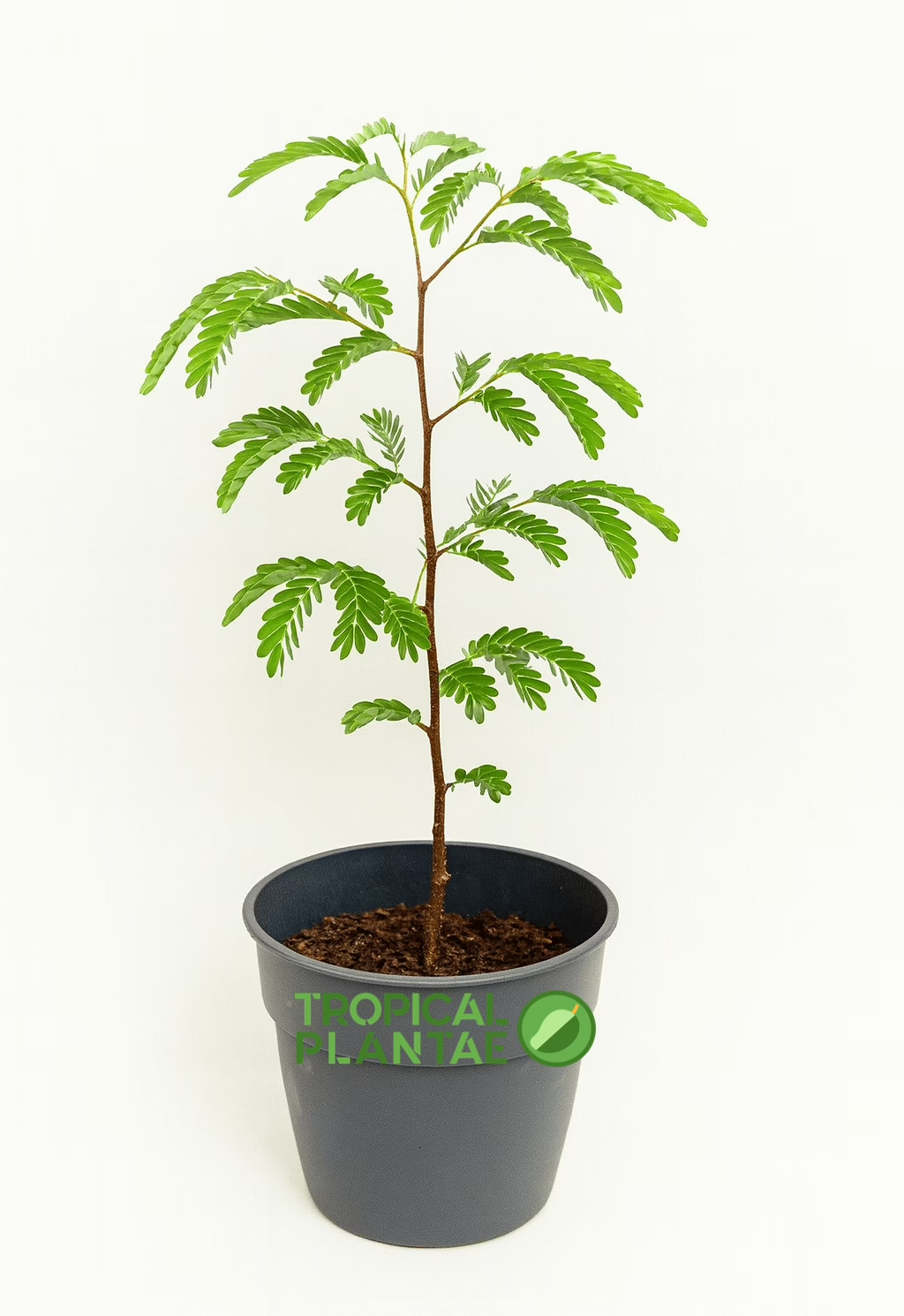
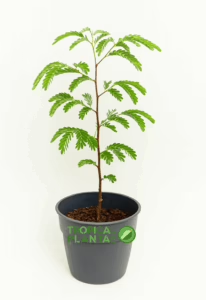
Tamarind fruit tree (tamarindus indica)
Original price was: $49.99.$34.99Current price is: $34.99.
Tamarind, scientifically known as Tamarindus indica, is a tropical fruit-bearing tree renowned for its tangy and highly flavorful fruit. The tamarind tree is native to Africa but has been widely cultivated and naturalized in tropical and subtropical regions around the world. Tamarind fruit is used extensively in culinary, medicinal, and even industrial applications due to its sour taste, nutritional benefits, and versatility. The sour variety of tamarind is especially popular for adding acidity and complexity to dishes and drinks.
tamarind tree, scientifically known as Tamarindus indica, is a long-lived tropical fruit tree valued for its unique sweet-and-tangy pods, dense canopy, and versatility in both culinary and ornamental uses. Native to Africa but now naturalized across the tropics, the tamarind tree is widely grown in Asia, the Caribbean, Central America, and warm regions of the United States. It is an important species in tropical agriculture due to its flavorful fruit, strong wood, drought tolerance, and ability to thrive with minimal care once established.
A mature tamarind tree is large and majestic, typically reaching heights of 40 to 60 feet with a broad, spreading canopy. The branches form a rounded crown that provides excellent shade. The leaves are fine, feathery, and bright green, composed of small leaflets that close slightly at night or during very hot hours. The tree remains evergreen in humid tropics but may be semi-deciduous in drier regions.
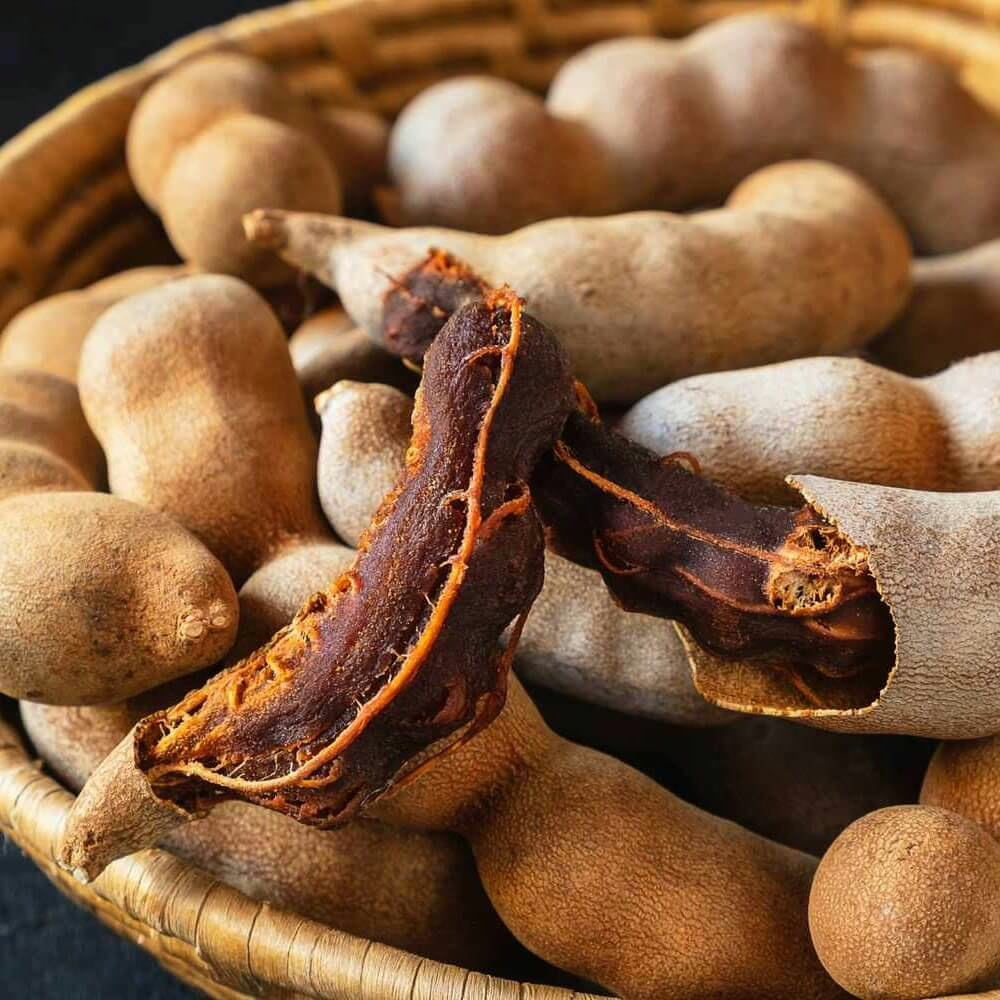
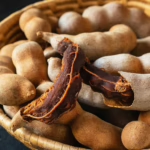
During the flowering season, the tree produces clusters of small, pale yellow flowers with red streaks. These blooms are attractive to pollinators, including bees, which are essential for good fruit production. After flowering, the tree forms long, brown, pod-like fruits that contain sticky pulp surrounding hard seeds. The pulp has a distinctive flavor that is both sweet and tart, making tamarind a popular ingredient in sauces, drinks, desserts, candies, and savory dishes around the world.
The tamarind tree thrives in warm tropical and subtropical climates and performs best in USDA hardiness zones 10 through 11. It prefers full sun and grows well in a variety of soil types, including sandy, loamy, and slightly rocky soils. Good drainage is important, but tamarind tolerates poor soils and even slightly alkaline conditions. It is highly drought-tolerant once established, thanks to its deep root system. Regular watering in the first two years helps young trees grow strong, but mature trees require little supplemental irrigation.
Although hardy, the tamarind tree benefits from seasonal fertilization. Applying a balanced fertilizer in spring and summer helps promote growth and increase fruit yield. Organic compost or well-aged manure around the base of the tree also improves soil structure and provides long-term nutrient support. Mulching helps retain moisture in hot climates and reduces weed competition.
Pruning is useful for shaping the tree during its early years and removing weak or crossing branches. Mature tamarind trees need little pruning except to maintain structural strength or improve airflow. Their strong wood and flexible branches make them resistant to storm damage, which is a valuable trait in tropical climates.
Tamarind trees are generally pest and disease resistant. Occasional insect pests such as scale, aphids, or caterpillars may appear but rarely cause serious harm. Good sanitation, proper spacing, and periodic inspection help prevent most issues. In humid climates, fungal leaf spots can appear, but these are typically minor and can be managed by improving airflow or removing affected foliage.
Propagation is typically done from seeds, which germinate readily in warm soil. Seed-grown trees take longer to produce fruit, usually beginning around 6 to 8 years. Air-layering or grafting shortens the bearing time, allowing fruit production in as little as 3 to 4 years, with more predictable fruit quality.
Tamarind trees produce fruit once a year, usually during late winter or early spring depending on the climate. A single mature tree can produce a large harvest of pods, making it an excellent addition to home orchards. The pods can be eaten fresh, sun-dried, used in cooking, or processed into paste, drinks, and candies. Tamarind is a staple in many cuisines, including Indian, Thai, Caribbean, and Latin American dishes.
Beyond its fruit, the tamarind tree is valued for its strong, durable wood, which is used in furniture, carpentry, and tool handles. The tree’s wide canopy and graceful shape also make it an attractive landscaping choice. It is commonly planted along roadsides, in parks, and in large gardens to provide shade and a tropical aesthetic.
In home landscapes, tamarind can be planted as a standalone shade tree or as part of a fruit orchard. It pairs well with other tropical trees such as mango, avocado, sapodilla, longan, and guava. Although large, the tree grows slowly at first and becomes easier to manage over time.
In summary, the tamarind tree is a valuable tropical species offering flavorful fruit, attractive foliage, deep shade, and excellent resilience. With full sun, well-draining soil, and moderate watering during establishment, tamarind can grow into a productive and impressive tree suitable for both edible landscapes and ornamental planting. Its combination of low maintenance, long lifespan, and culinary importance makes it a rewarding choice for warm-climate gardeners and fruit enthusiasts.
| Planting Bag + Soil |
Planting bag + Soil ,I have soil and container |
|---|
Related products
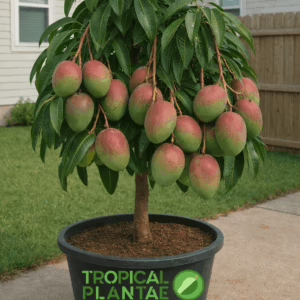
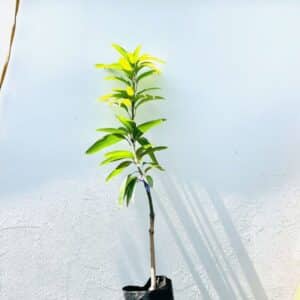
Grafted Kent Mango Tree – Live Tropical Fruit Tree – Premium Variety – USDA Certified

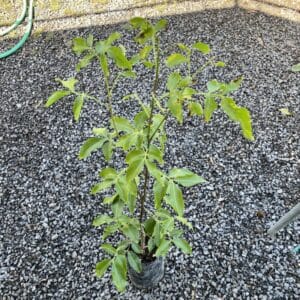
Spanish lime (Melicoccus bijugatu) tropical fruit tree
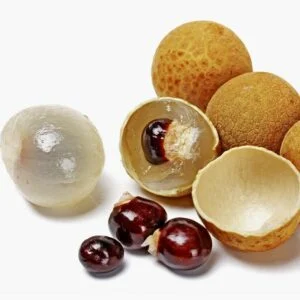
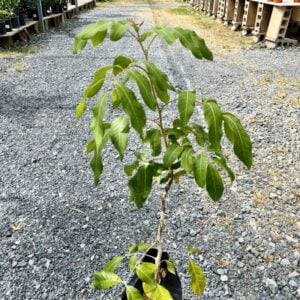
Grafted Longan (Dimocarpus longan) tropical live fruit tree 12″-24″
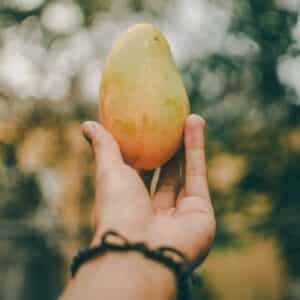

Grafted Mango Pineapple Live fruit Tree 3’-4’
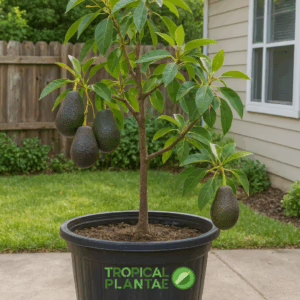
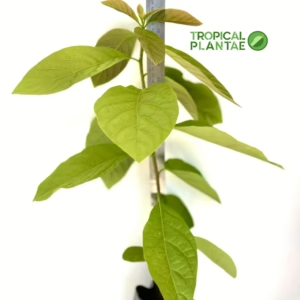
AVOCADO HASS FRUIT TREE (Persea americana)


Star Apple (Chrysophyllum cainito) tropical fruit tree 2′-3′


Sugar apple (Annona squamosa ) big live fruit tree 12”-24”

Reviews
There are no reviews yet.