
Rambutan (Nephelium lappaceum) exotic fruit live tree
Original price was: $80.00.$44.99Current price is: $44.99.
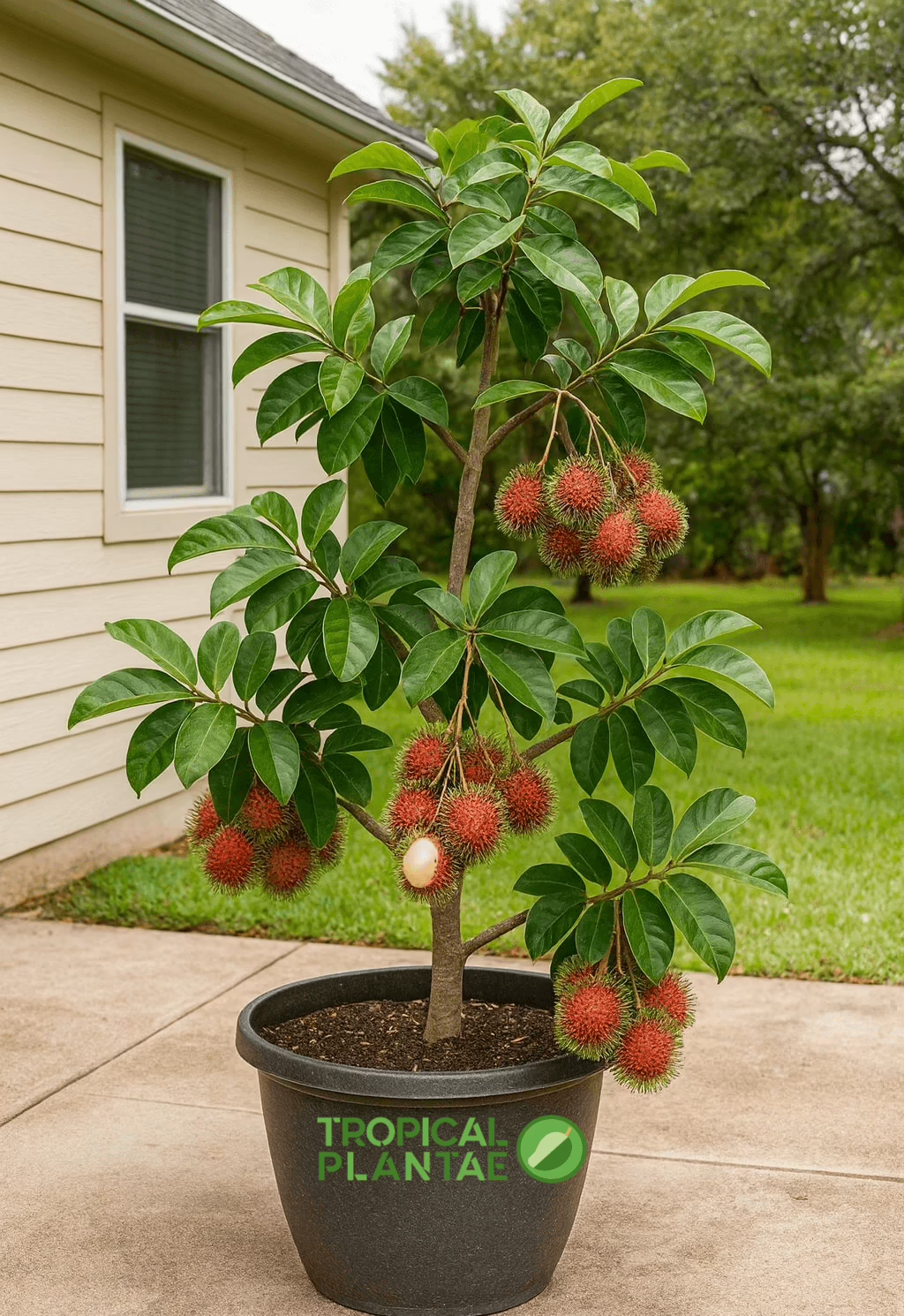
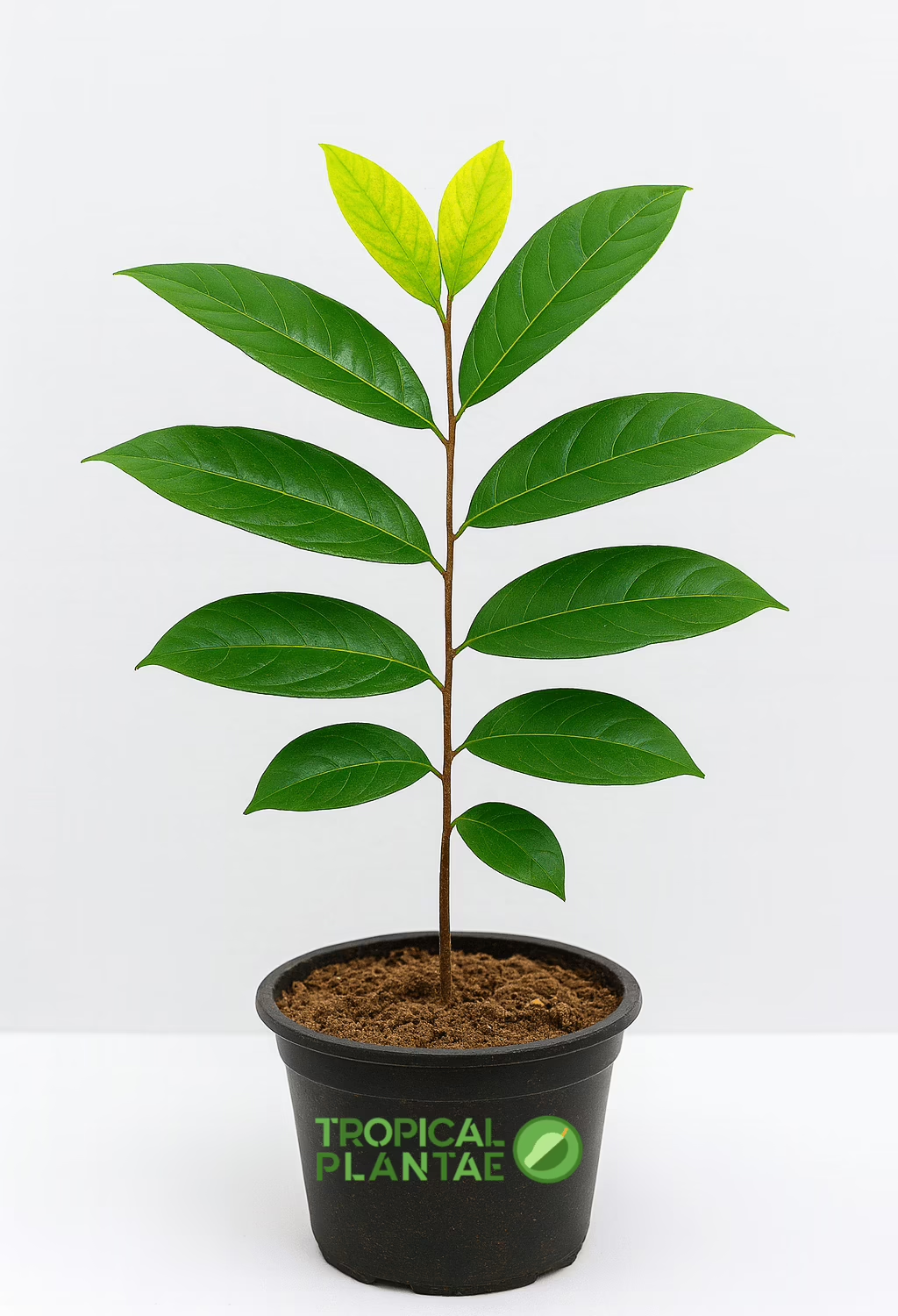
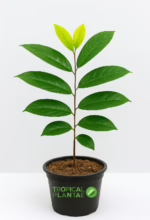
The rambutan seedling, grown from the tropical fruit tree Nephelium lappaceum, is a young plant that will eventually develop into a productive tree capable of bearing the iconic spiky red or yellow fruits enjoyed throughout Southeast Asia and tropical regions worldwide. Rambutan is closely related to lychee and longan and is prized for its translucent, juicy flesh and sweet, refreshing flavor. Seedlings are an excellent option for growers looking to start their own rambutan trees from a young age and observe the entire growth process from seedling to mature fruit-bearing tree.
Rambutan seedlings typically stand between 12 inches and 2 feet tall, depending on age. They have glossy, dark green leaves arranged in pairs along flexible stems. The leaves are oval-shaped with smooth edges and a leathery texture. As seedlings, rambutan plants are delicate and require warm temperatures, high humidity, and proper care to grow successfully. Over time, the seedling develops a stronger root system and begins to form a more upright trunk structure.
Rambutan trees thrive in tropical climates and perform best in USDA hardiness zones 10 through 11. They require consistently warm weather with temperatures ideally above 60°F, and they do not tolerate cold, frost, or long periods of dry conditions. Seedlings should be protected from direct harsh sunlight at first, receiving filtered or partial sunlight until they are strong enough to adapt to full sun. As they mature, rambutan trees grow best in full sun or bright partial shade.
The ideal soil for rambutan seedlings is well-draining, slightly acidic, and rich in organic matter. A mixture of sandy loam and compost works well. Good drainage prevents root rot, a common issue for young rambutan plants. Watering should be frequent but controlled, keeping the soil consistently moist without becoming waterlogged. Seedlings are sensitive to both underwatering and overwatering, so maintaining steady moisture is important.
Mulching around the base helps conserves moisture and keeps the soil temperature stable. As the seedling grows, it benefits from light fertilizing with a balanced fertilizer or organic compost to encourage healthy leaf development and strong root growth. Once the tree is older, fertilizer with higher potassium levels can be used to improve fruit production.
Rambutan seedlings can take several years to reach maturity. Seed-grown rambutan trees may begin fruiting in 4 to 7 years, depending on growing conditions, climate, and care. Unlike grafted trees, seedlings may show variations in fruit quality because they inherit genetic traits from their parent tree. However, many growers enjoy the process of growing from seed and often appreciate the natural variations and unique characteristics that seedlings can produce.
Pruning is helpful as the seedling becomes larger. Removing weak or crossing branches and encouraging upright growth helps form a strong structure that can support fruit later on. Rambutan trees naturally grow into medium-sized trees ranging from 30 to 60 feet tall, but they can be kept smaller with regular pruning in home orchards.
Pests and diseases that may affect rambutan seedlings include aphids, mites, and scale insects. High humidity can sometimes lead to fungal issues, especially if airflow is poor. Regular inspection and proper cultural practices help reduce these risks. Neem oil or insecticidal soap can be used if needed, applied carefully to avoid stressing the young plant.
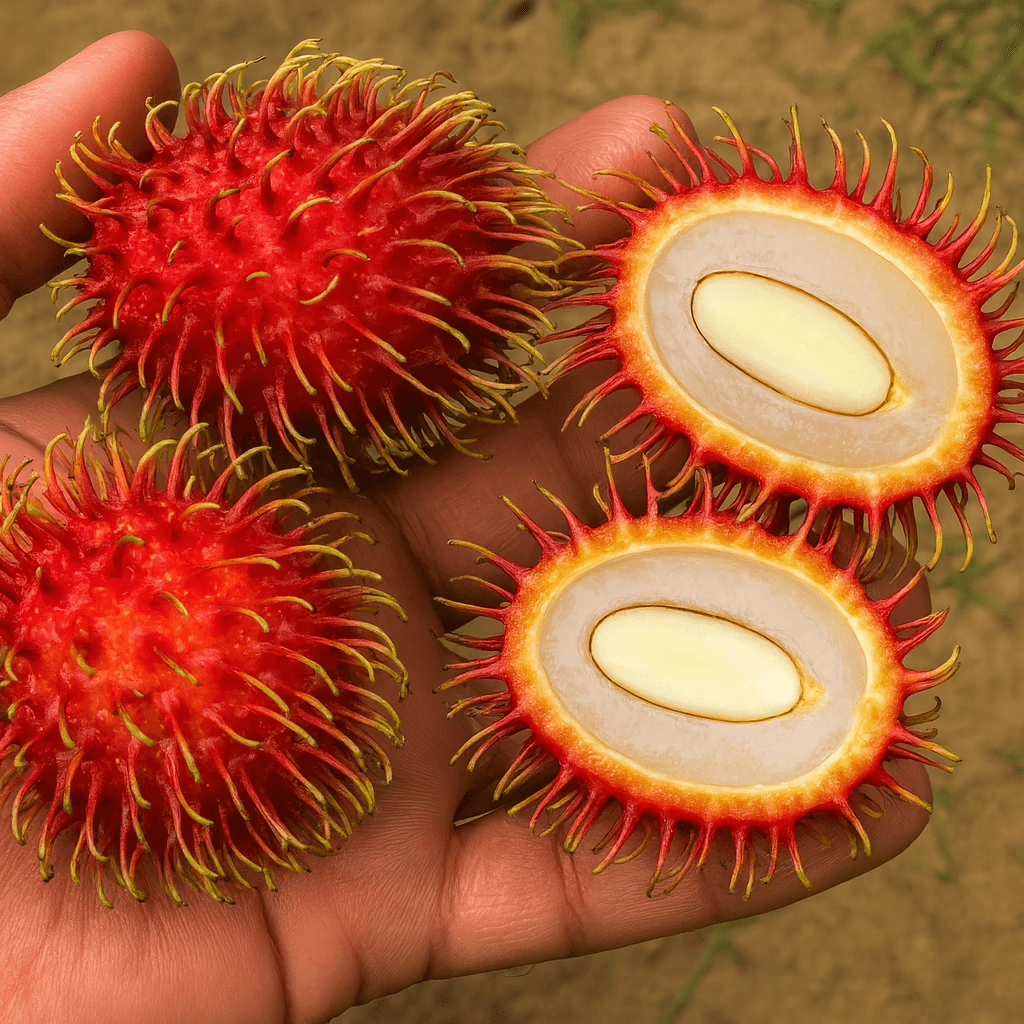
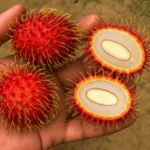
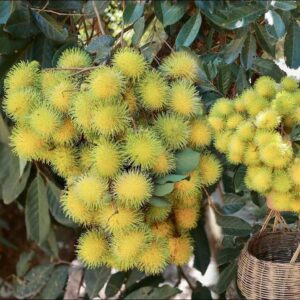
As the rambutan seedling matures, it becomes more resilient and easier to maintain. Mature rambutan trees produce clusters of brightly colored fruit with soft, hair-like spines on the skin. Inside, the translucent flesh is sweet, juicy, and fragrant. Rambutans are often eaten fresh or used in smoothies, fruit salads, and desserts.
In tropical landscapes, rambutan trees add lush beauty with their wide canopy and glossy foliage. Seedlings can be started in containers before being transplanted to the ground once they are strong enough. In warm climates, they make excellent additions to home orchards alongside mango, longan, lychee, and mangosteen.
In summary, a rambutan seedling is the first stage of a rewarding tropical fruit tree that offers delicious fruit and strong ornamental value. With warm temperatures, well-draining soil, consistent watering, and gradual sunlight exposure, the seedling will grow into a healthy, productive tree. Growing rambutan from seed allows gardeners to enjoy the full life cycle of a tropical fruit tree and adds a unique species to any warm-climate garden.
| Weight | 15 oz |
|---|---|
| Dimensions | 22 × 4 × 4 in |
| Planting Bag + Soil |
Planting bag + Soil ,I have soil and container |
Related products
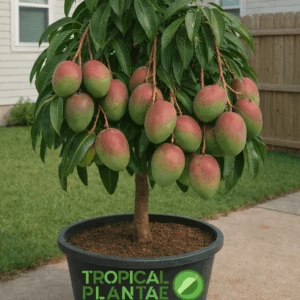
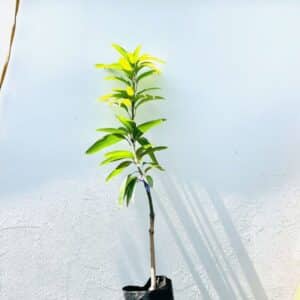
Grafted Kent Mango Tree – Live Tropical Fruit Tree – Premium Variety – USDA Certified


Coffee tree (Coffea) live tropical fruit tree 12″-18″
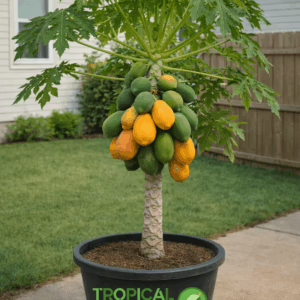
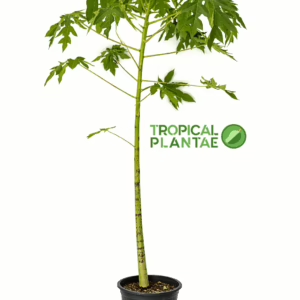
Papaya Tree Seedling (Carica papaya) – Live Tropical Fruit Plant – Fast Growing – USDA Certified
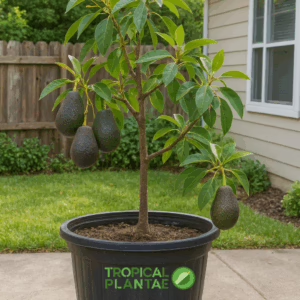
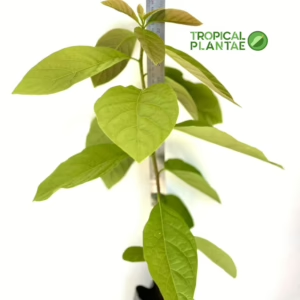
AVOCADO HASS FRUIT TREE (Persea americana)
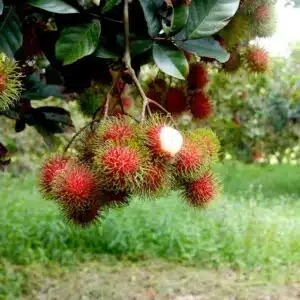
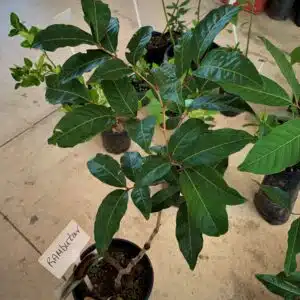
Grafted Rambután (Nephelium lappaceum) exotic fruit tree 2’-3’ feet tall


Mango tree (mangifera) live fruit tree 12″- 24″ tall


Custard Apple (annona squamosa) Tropical Fruit Tree 10”-20”


Reviews
There are no reviews yet.