
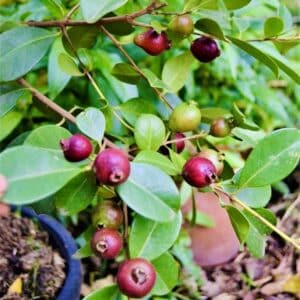
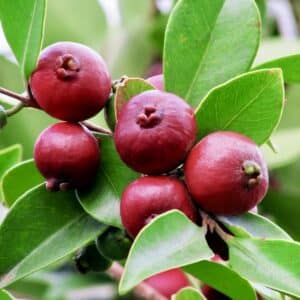
Strawberry Guava tropical fruit tree (Psidium cattleianum) 1’-2’ feet tall
Strawberry guavas are rich in vitamin C, which supports immune function, skin health, and wound healing. They also contain dietary fiber, which aids in digestion and promotes a healthy digestive system. The fruit is low in calories and provides antioxidants that help protect cells from damage caused by free radicals.
Strawberry guava trees thrive in tropical and subtropical climates with warm temperatures and plenty of sunlight. They prefer well-drained soil with good organic content and require regular watering, especially during dry periods. These trees are relatively low-maintenance and can tolerate a range of soil types, including sandy, loamy, or clay soils. Pruning is necessary to maintain the tree's shape and remove dead or diseased branches.
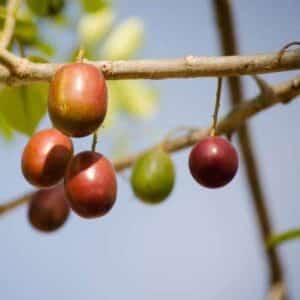
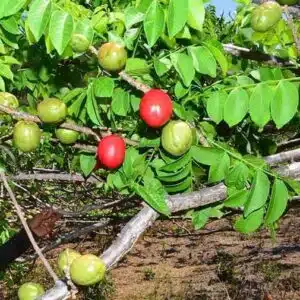
Spanish Plum Jocote (Spondias purpurea) tropical live fruit tree 2’-3’ feet
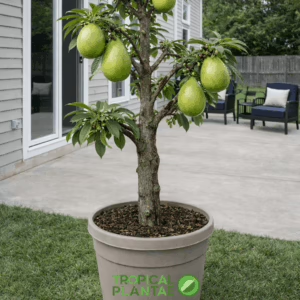
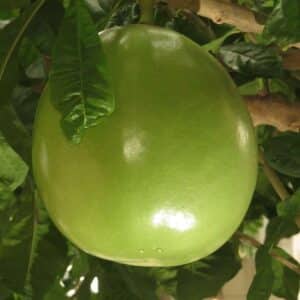
Calabash tree / Jícaro (Totumo Crescentia cujete) tropical live Tree 8″- 12″
Discovering the Totumo Crescentia cujete Tree: Nature's Gourd of Versatility and Charm
Step into a world where botanical wonders unfold, and nature showcases its creative brilliance. The Totumo Crescentia cujete Tree, a true marvel of versatility and charm, invites you to explore the captivating world of a tree that provides both practicality and aesthetic allure.
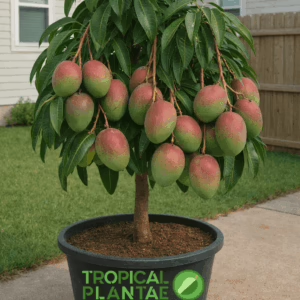
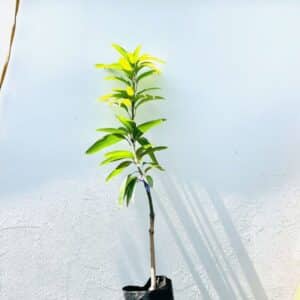
Grafted Kent Mango Tree – Live Tropical Fruit Tree – Premium Variety – USDA Certified
A grafted Kent mango tree is a decision that begins improving your outdoor space the moment it is planted. Choosing this tree today means that tomorrow you already start building a future filled with growth, beauty, and rewarding experiences. The Kent mango is known worldwide for its reliability, attractive appearance, and smooth, enjoyable fruit, making it an excellent choice for anyone who wants a tree that grows with purpose and delivers long-term satisfaction.
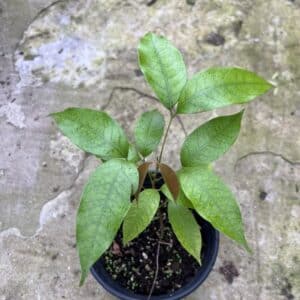
Lychee Fruit Tree (Litchi chinensis) live tree 12″ -24″ inches
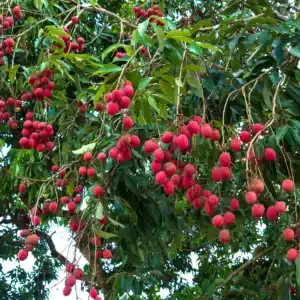
Lychee fruits are not only known for their delectable taste but also for their historical significance. They have been cultivated in China for over 2,000 years and were once a symbol of good luck and prosperity. In Chinese culture, the lychee fruit is often associated with romance and love and is traditionally exchanged between lovers or given as a token of affection during the Chinese New Year.
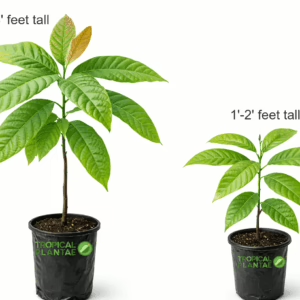
Forastero Cacao Tree (Theobroma cacao) – Live Tropical Cacao Plant – USDA Certified
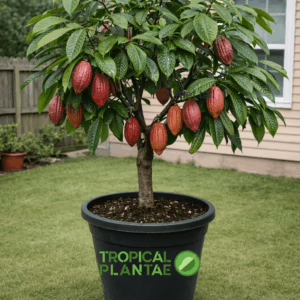
The Cacao Forastero tree is a powerful and meaningful tropical plant that brings purpose, beauty, and long-term value to your garden from the moment it is planted. Choosing a Cacao Forastero today means that tomorrow your outdoor space already feels more productive, more unique, and full of promise. This is one of the most widely grown cacao types in the world, valued for its strong growth and reliable production, making it an excellent choice for anyone who wants to grow something with lasting significance.
Select options
This product has multiple variants. The options may be chosen on the product page
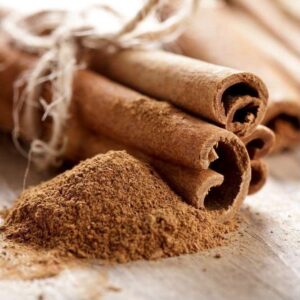
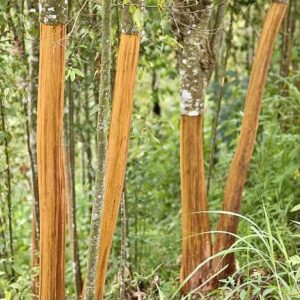
Cinnamon tropical live tree (Cinnamomum verum) 12″ -24″
Cinnamon, scientifically known as Cinnamomum verum or Cinnamomum cassia, is a beloved spice that infuses warmth, sweetness, and depth into culinary delights from around the world. This spice, cherished for its aromatic allure and historical significance, invites you to explore its rich heritage and the transformative magic it imparts to dishes.
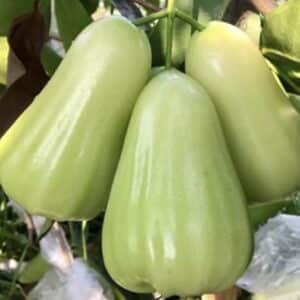
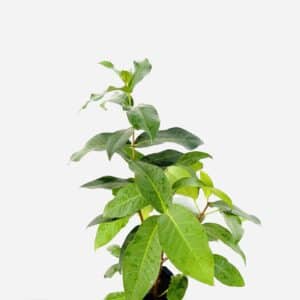
Green Wax jambu (Syzygium samarangense ) fruit tree 12″- 24″
Here’s an interesting fact about Wax Jambu: The name “wax jambu” is derived from the waxy appearance of its fruit’s skin. The outer skin of the fruit has a natural waxy coating that gives it a glossy and attractive appearance. This waxiness not only adds to its visual appeal but also helps protect the fruit from moisture loss and external damage, making it a practical and aesthetically pleasing tropical treat.
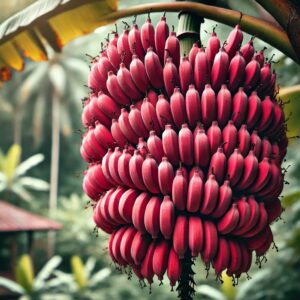
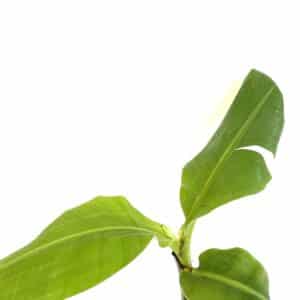
Red bananas (Musa acuminata ‘Red Dacca) live fruit tree
Red bananas (Musa acuminata ‘Red Dacca) are a truly extraordinary fruit. Their vibrant red hue captures attention, while their flavor tantalizes the taste buds with a delightful blend of sweetness and slight tartness. Packed with essential nutrients, red bananas offer a healthy choice for those seeking to diversify their diet. From salads to smoothies, or even as a stunning centerpiece in fruit bowls, red bananas lend an exotic touch to any culinary creation. Embrace the allure of these crimson treasures and discover a world of culinary possibilities.
Red bananas, distinct from their more common yellow counterparts, are a type of banana with reddish-purple skin. They are smaller, plumper, and sweeter than the yellow varieties, with a hint of raspberry flavor. Red bananas are fully ripe when their skin has turned a deep red or maroon and feels slightly soft to the touch.
Red bananas are rare, but because they are less commonly cultivated and have a shorter shelf life.
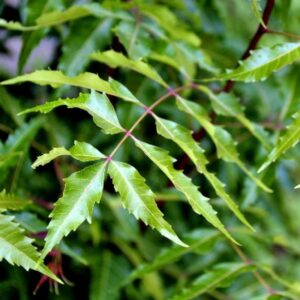
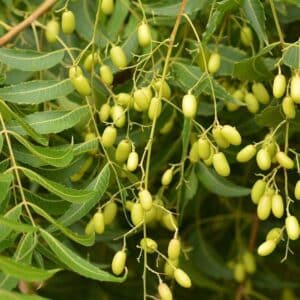
Neem pesticide fungicide live tree (Azadirachta indica) 1′- 2 tall
Neem, scientifically known as Azadirachta indica, is a remarkable and revered tree that stands as a symbol of holistic wellness, environmental harmony, and centuries-old tradition. This tree, celebrated for its multifaceted benefits and cultural significance, invites you to delve into the world of Neem and discover its profound impact on both nature and human well-being.
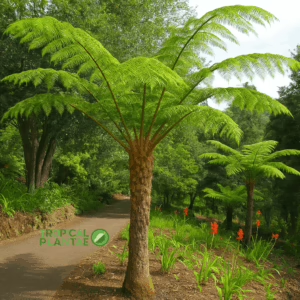
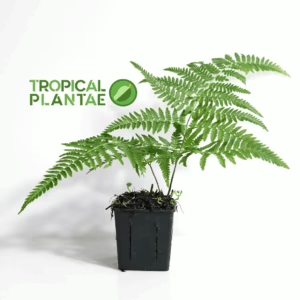
Australian Tree Fern (Sphaeropteris cooperi) – Live Lush Tropical Fern – USDA Certified- Legendary
The Australian Tree Fern, scientifically known as Sphaeropteris cooperi, is a dramatic and elegant plant that instantly transforms any space into a lush, calming environment. Choosing this tree fern today means that tomorrow your garden, patio, or landscape already feels cooler, greener, and more immersive. This is not just a plant; it is a living architectural feature that brings movement, texture, and a sense of escape into your everyday surroundings.
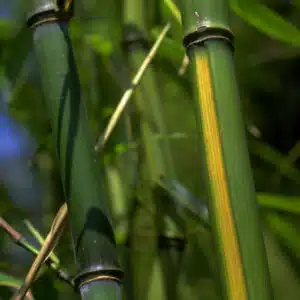
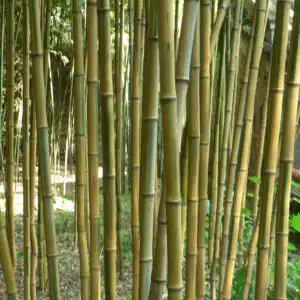
Golden Bamboo (Phyllostachys aureosulcata) live plant 2’-3’ feet
Golden Bamboo or Phyllostachys aureosulcata, commonly known as Yellow Groove Bamboo, is a captivating and versatile bamboo species that can add both beauty and functionality to your garden or landscape. With its distinctive features and practical uses, this bamboo variety has become a popular choice for garden enthusiasts and landscape designers. Let's explore its description, care guidelines, and some fascinating details about this unique bamboo.
Interesting Fact:
Yellow Groove Bamboo is not just a beautiful addition to your garden; it also has practical uses. Its strong and flexible culms have been utilized in construction, especially in regions where bamboo is abundant. It's employed to create sturdy scaffolding, flooring, and even furniture. In addition to its structural uses, bamboo is a sustainable material choice, making it an eco-friendly option for various applications.