Lemon Keylime fruit tree 1’-2’
Lemon is a true nutritional treasure and very beneficial for our health. It is a curative fruit par excellence, because it provides us with vitamins, eliminates toxins and is a powerful bactericide.
some benefits are: Antibacterial. Lemon has great bactericidal power.
They strengthen the immune system.
Maintains the body's pH.
Detoxifies the body.
Helps dissolve calculations.
Take care of the brain.
Grafted lemon meyer fruit tree 2’-3’ tall
The lemon occupies a first place among the healing, preventive and vitamin contribution fruits, transforming it into a great toxin remover and a powerful bactericide.
It has vitamin C in abundance that strengthens the body's defenses to avoid diseases, especially in the respiratory tract, which range from a simple cold, hoarseness, tonsillitis, to pneumonia, bronchitis, congestion, flu, pleurisy, asthma, etc.
Vitamin C or ascorbic acid has great disinfecting power and also has an antitoxic action against microbial and medicinal poisons. Along with vitamin C is vitamin P that helps tone the capillaries and blood vessels.
Grafted Nebo Sweet Orange Fruit tree 2’-3’ tall
But what is special about nebo and how do we differentiate it from regular oranges? ????
Explains Hernández, who is distinguished by presenting an end that ends in the shape of a navel and has few or no seeds. In addition, its skin is very thick and deep yellow. It is very sweet and juicy.
“The regular orange is thin-skinned, has a lot of seed and is sweet, but slightly sour at times. It is usually consumed before it has fully matured, "he adds.
Grafted Chironja / Grapefruit live tree 2’-3’ tall rare tree
The orangelo or chironja is a hybrid citrus fruit obtained by spontaneous crossing between a grapefruit and an orange. It appeared, around 1956, in the trees that gave shade to a coffee plantation in the highlands of Puerto Rico.
Orangelo
Hybrid relationship
Citrus paradisi × Citrus sinensis
Origin
Puerto Rico
They are larger fruits and brighter yellow in color than their parent plants.
Orangelos are eaten in the same way as grapefruits (cut in half and eaten with a teaspoon), but they are sweeter and brighter in color than grapefruit, and are easier to peel. They are between round and pear-shaped, with 9-13 segments.
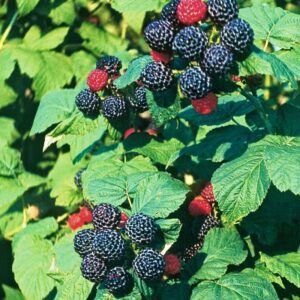
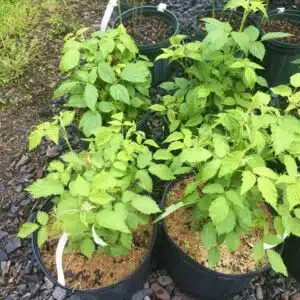
Raspberries bush live plant
In a small space, raspberries yield a phenomenal quantity of ravishing berries—and they fruit year after year with proper care. Raspberries can be harvested all the way from midsummer through to the first frost.
All raspberries are self-fertile, so you only need one bush to produce fruit. They’re best pollinated by bees, and will start producing fruit a year after planting. Though raspberry bushes are naturally inclined to grow in cooler climates, the plants now come in many varieties suited to a range of planting zones.
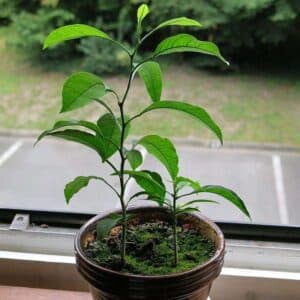
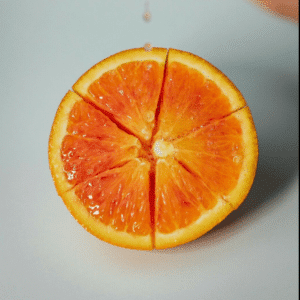
Sweet orange Live Tree
Sweet orange tree is a work of art – not because we are saying it, but because you would find it in many old paintings from Victorian times. The sweet, pulpy, rich orange colored fruit goes well with the delicate, petite cream-colored flowers that have a scent of their own. Not only that, the extremely popular fruit has found its uses in hundreds and thousands of dishes and beverages. Perfect for adding a balance to the flavors, it also helps in helping the body absorb iron and calcium with its highly powerful enzymatic properties.
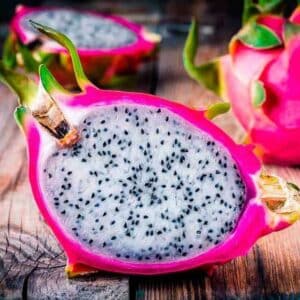
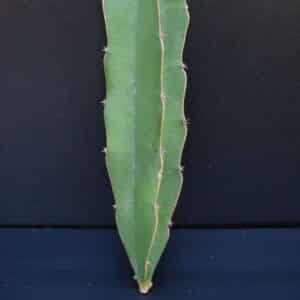
Exotic Pitahaya Cactus Live Plant
Pitaya tree looks like a work of art with its highly unique appearance that is highly distinctive. This tree straight from a magical story book has its leaves protruding downwards with sharp thorns on either sides and bulbous, red flowers that surprisingly bloom overnight. After a month or two of its plantation, you can find a dragon fruit sprouting from the flowers, which is a delicious fruit known famously for its vibrant look and taste. If you have a taste for artsy stuff, this plant will make a perfect addition to your area given a suitable climate and temperature.