
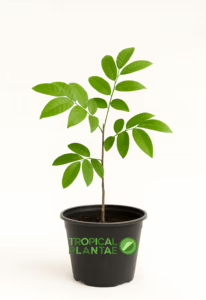
Longan (Dimocarpus longan) tropical live fruit tree 12″-24″
Original price was: $60.00.$39.99Current price is: $39.99.
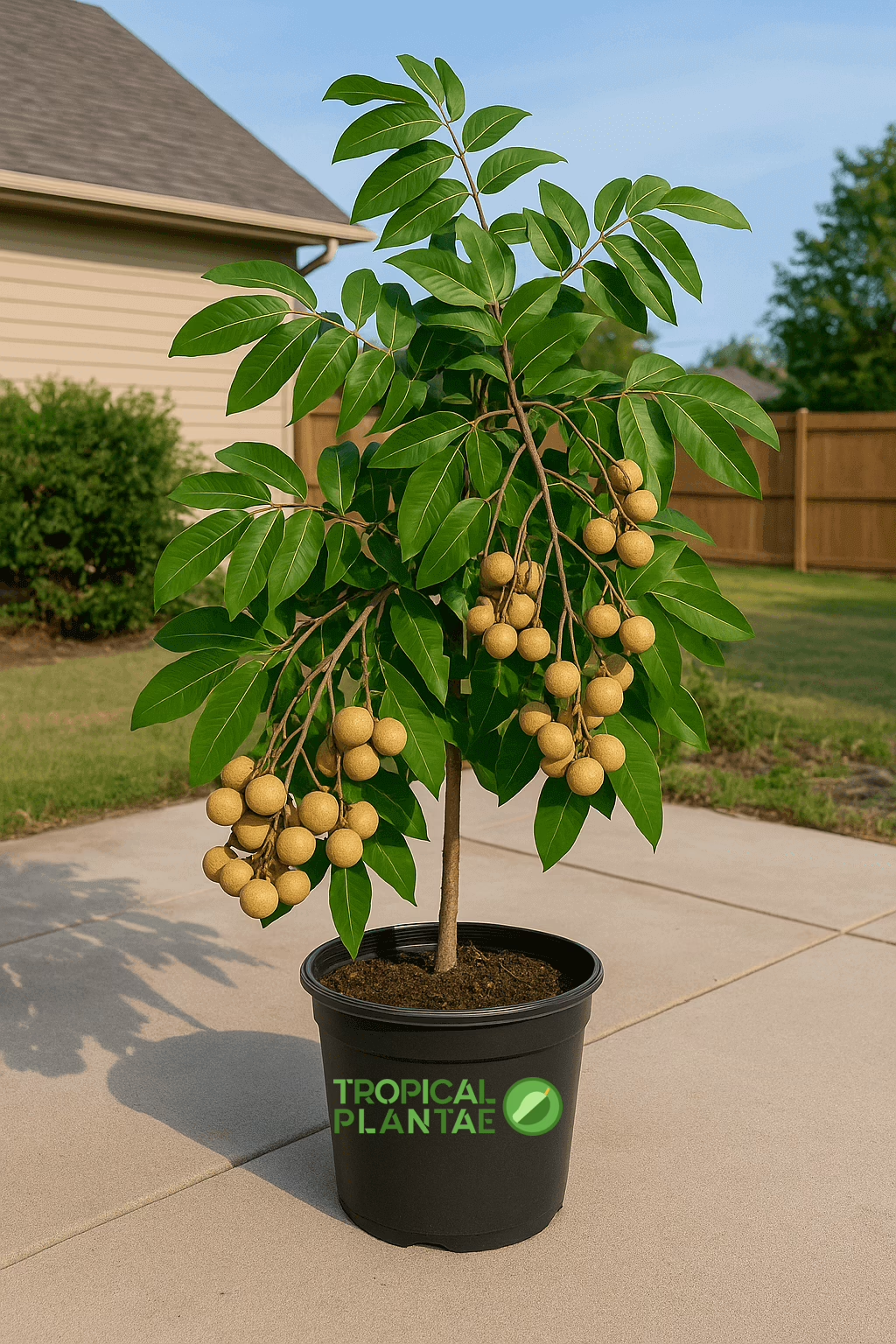
The longan tree, scientifically known as Dimocarpus longan, is a tropical fruit tree celebrated for its sweet, aromatic fruit and attractive evergreen foliage. Closely related to lychee and rambutan, the longan is widely grown throughout Southeast Asia, the Caribbean, and warm regions of the United States. This tree is known for producing clusters of round, golden-brown fruit with translucent flesh and a delightful musky-sweet flavor. Its reliable fruiting, manageable size, and ornamental value make it a popular choice for home gardens and small tropical orchards.
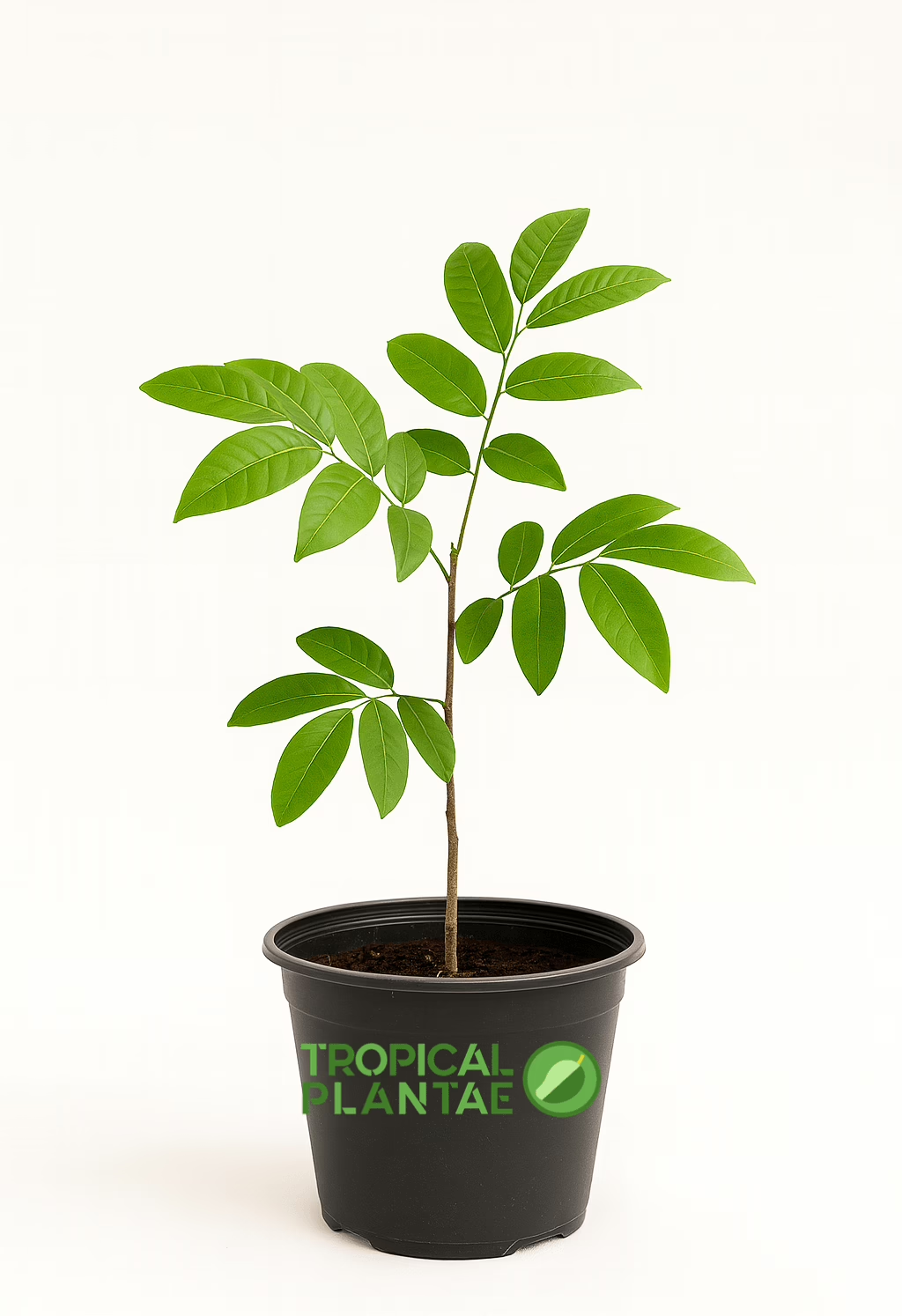
A longan tree typically grows between 20 and 40 feet tall, depending on the variety and growing conditions. The canopy is dense and rounded, formed by glossy, dark green leaves that remain evergreen year-round. The tree grows upright with a strong trunk and flexible branches that allow it to withstand tropical weather. During the flowering season, the longan produces numerous small, yellow-tan flowers in branching clusters called panicles. These flowers attract bees and other pollinators, which are essential for setting fruit.
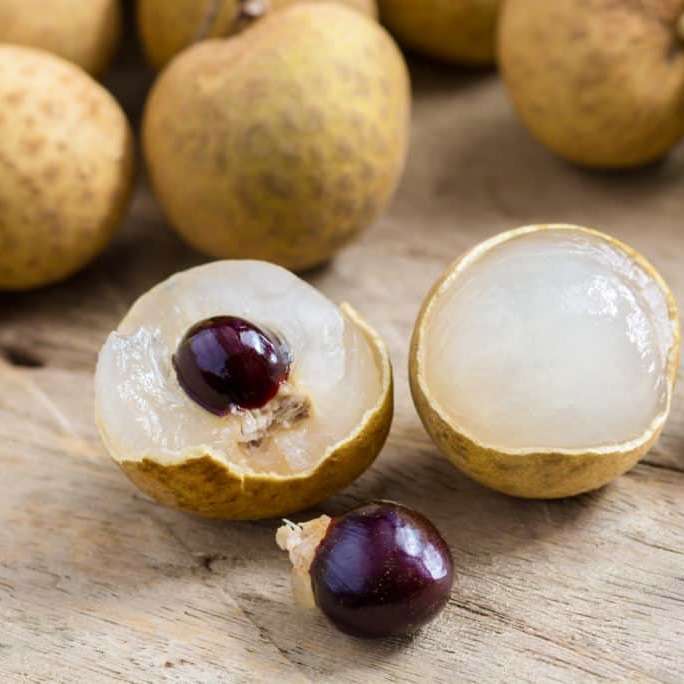
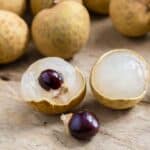
The fruit itself is small, round, and slightly larger than a grape. It has a thin, light brown shell that is easy to peel by hand. Inside, the flesh is clear and jelly-like with a juicy texture and a sweet, floral flavor. Each fruit contains a single shiny black seed, giving rise to the nickname “dragon’s eye,” due to its resemblance when cut open. Longan fruit is enjoyed fresh, dried, or used in teas, desserts, smoothies, and traditional dishes.
Longan trees thrive in warm tropical and subtropical climates and grow best in USDA hardiness zones 10 and 11. They require full sun exposure to produce abundant and high-quality fruit. The tree prefers well-draining soil, ideally sandy or loamy, with a pH between 6.0 and 7.0. While longans tolerate short dry periods, consistent watering during flowering and fruiting improves fruit size and yield. However, overwatering should be avoided as it can lead to root problems.
Young longan trees should be watered frequently to help them establish strong roots. Mature trees are more drought-tolerant but still benefit from regular watering during dry seasons. Mulching can help maintain soil moisture and regulate temperature around the root zone. Fertilizing with a balanced fruit tree fertilizer during spring and summer supports vigorous growth and fruit production. Additional potassium can be applied as the tree begins to flower to promote better fruiting.
Pruning is essential for shaping the tree, increasing airflow, and maintaining a manageable size for harvesting. Light pruning after fruiting encourages new shoots and helps maintain a strong structure. Removing dead or crossing branches keeps the tree healthy and promotes better sunlight penetration into the canopy.
Longan trees are generally hardy but may occasionally experience pests such as scale insects, aphids, or mites. In humid areas, fungal issues may occur, especially if airflow is limited. Good pruning practices and proper watering help reduce the risk of disease. Organic treatments such as neem oil or horticultural soap can help manage pests if needed.
Propagation is typically done through air layering or grafting, which ensures fruit consistency, early production, and predictable growth. Seed-grown trees can take many years to produce fruit and often vary in quality, so grafted or air-layered trees are preferred for home growers and orchards.
Longans usually begin fruiting in 3 to 5 years when grown from air-layered or grafted plants. The fruiting season varies by climate but often occurs in late summer or fall. The tree bears fruit in large clusters, and a mature longan tree can produce generous harvests each year under good conditions.
In landscaping, the longan tree adds tropical beauty to any garden. Its evergreen foliage, symmetrical shape, and ornamental fruit make it both functional and decorative. It can be planted as a centerpiece, along property borders, or in mixed tropical gardens alongside mango, lychee, and avocado trees. It can also be grown in large containers for the first few years, although it will eventually need ground planting to reach full size and production.
Longans are valued not only for their flavor but also for their versatility. The fruit can be eaten fresh, added to fruit salads, mixed into drinks, or enjoyed dried. Because the tree is long-lived and requires relatively low maintenance once established, it is a rewarding choice for growers looking for a dependable tropical fruit tree.
In summary, the longan tree is a productive, attractive, and easy-to-grow tropical fruit tree ideal for warm-climate gardeners. With full sun, well-draining soil, regular watering, and seasonal fertilization, it can provide abundant harvests of delicious, sweet fruit year after year. Its evergreen beauty and reliable performance make it a valuable addition to any tropical or subtropical garden.
| Weight | 15 oz |
|---|---|
| Dimensions | 22 × 4 × 4 in |
| Planting Bag + Soil |
Planting bag + Soil ,I have soil and container |
Related products
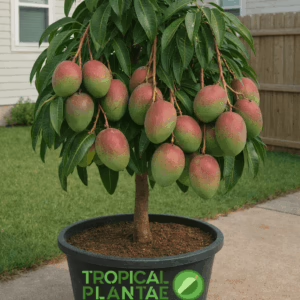
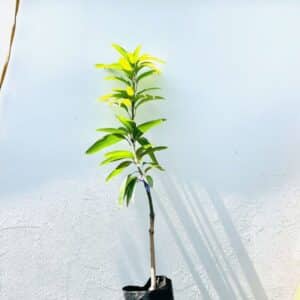
Grafted Kent Mango Tree – Live Tropical Fruit Tree – Premium Variety – USDA Certified


Pomegranate Tree – Live Fruit Tree – Hardy Outdoor Plant – USDA Certified
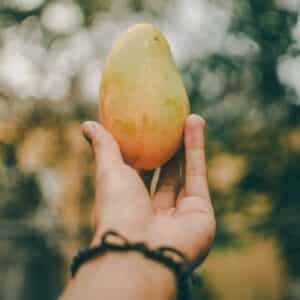

Grafted Mango Pineapple Live fruit Tree 3’-4’
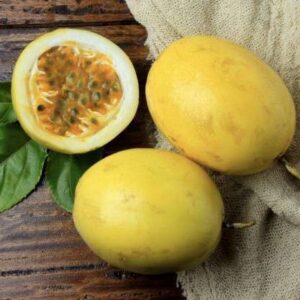
Passion fruit live fruit plant 1’-2’


Grafted Breadfruit ( Artocarpus altilis)Tropical live big fruit tree 3′-4′ feet tall


Star Apple ( Chrysophyllum cainito) Caimito tropical live fruit tree 1′ – 2′

Reviews
There are no reviews yet.