
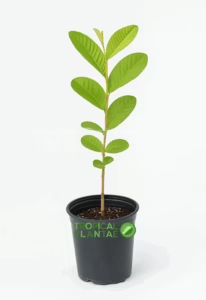


Indonesian Seedless Guava (Psidium guajava ) live fruit tree 1’-2’ feet tall
Original price was: $80.00.$34.99Current price is: $34.99.
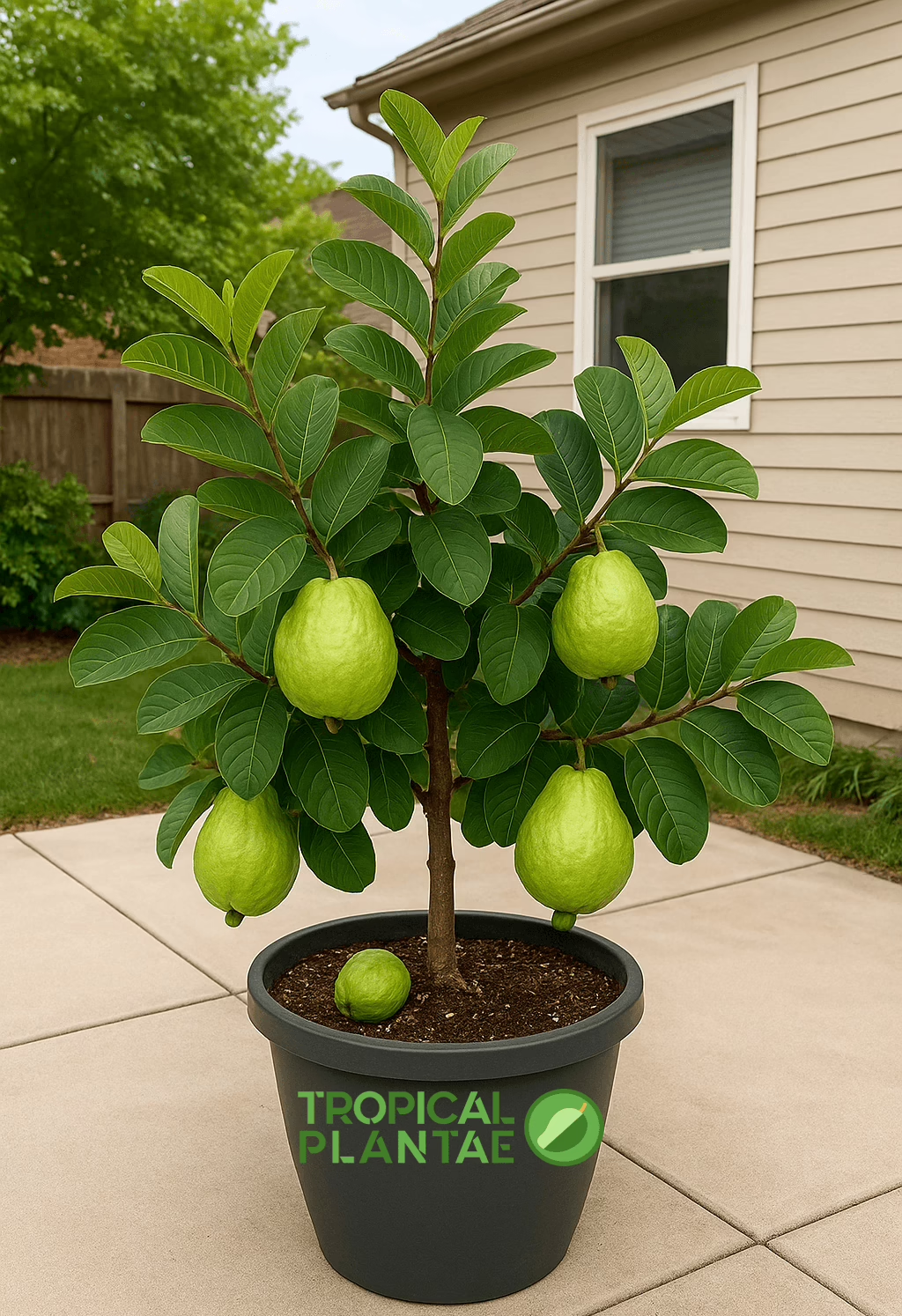
The Indonesian Seedless Guava is a highly desirable tropical fruit tree known for producing large, crisp, and nearly seedless guavas with excellent flavor and texture. This variety originates from Southeast Asia, where seedless guavas are prized for their ease of eating, high productivity, and superior fruit quality. The tree is fast-growing, easy to maintain, and well suited for warm climates, making it a great choice for home gardens, orchards, and tropical landscapes.
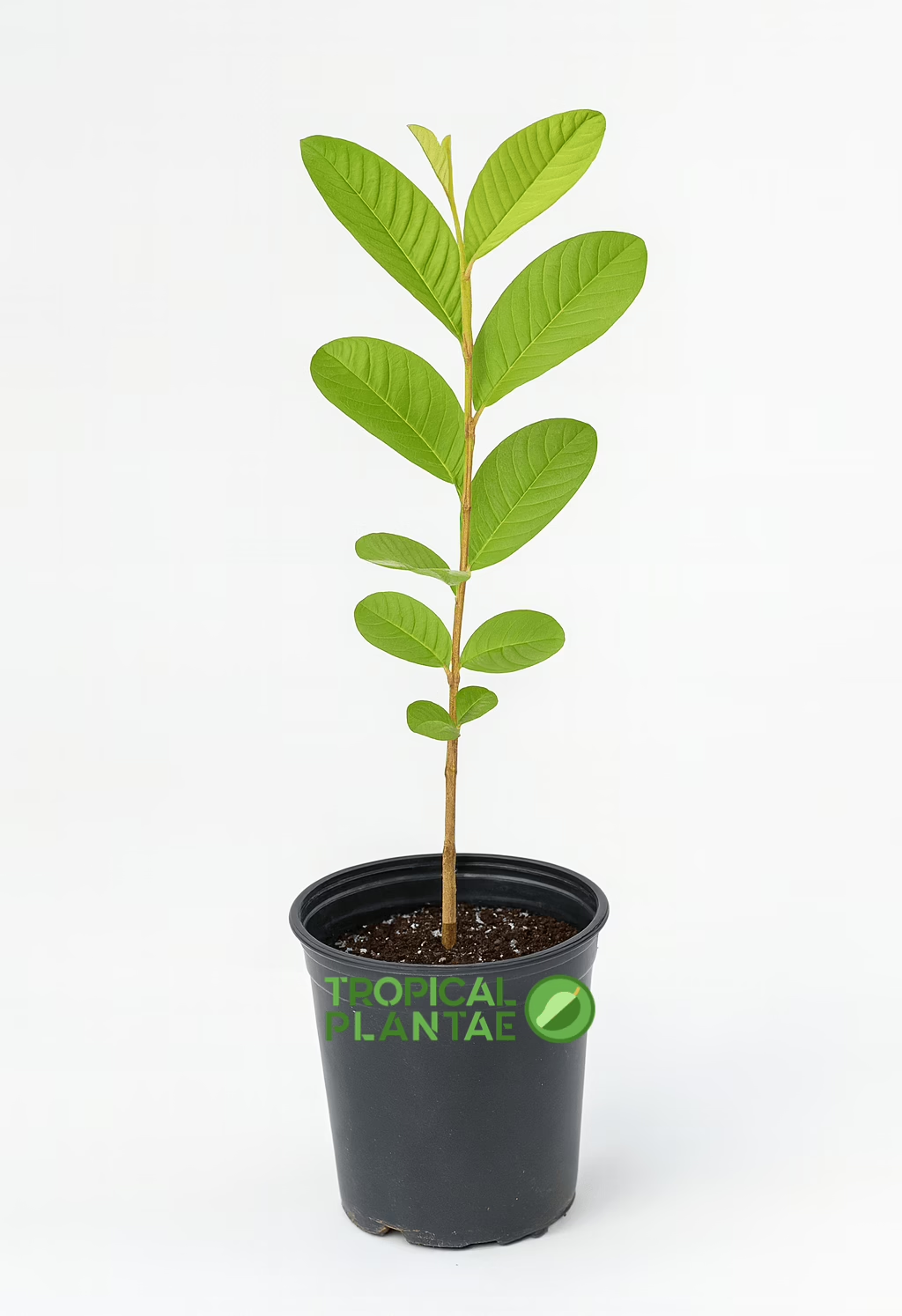
The Indonesian Seedless Guava tree typically grows between 10 and 20 feet tall, though it can be kept smaller through regular pruning. It has an attractive rounded canopy with thick, glossy green leaves and strong branching. The tree remains evergreen in warm climates and produces new growth throughout the year. When flowering, it displays elegant white blossoms with long, delicate stamens. These flowers are lightly fragrant and attract pollinators such as bees, which play an important role in fruit development.
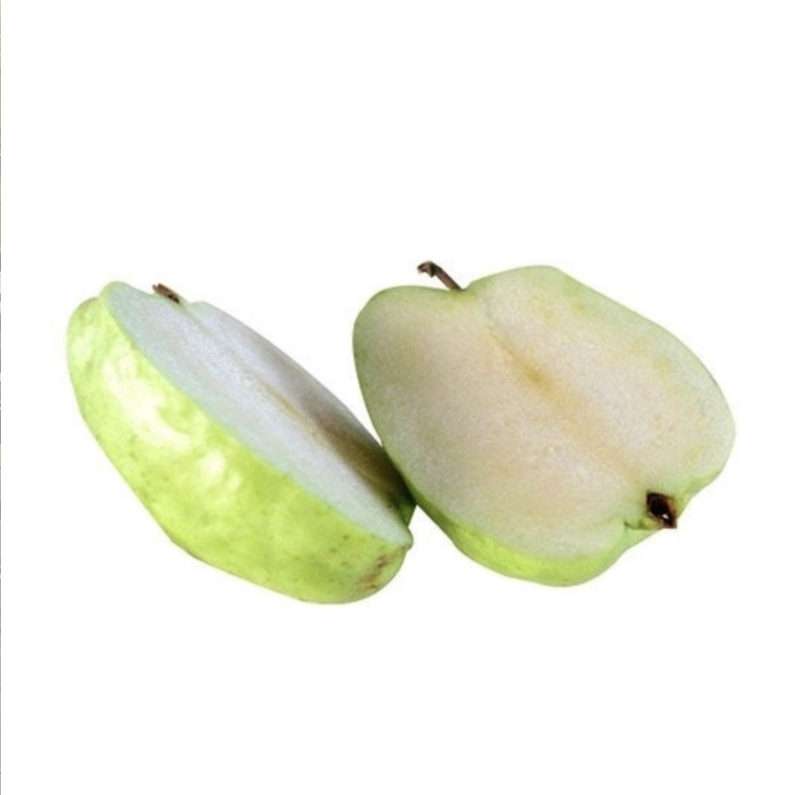
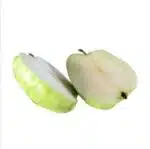
The fruit produced by this variety is especially valued because it contains very few or no seeds, depending on growing conditions. The guavas are large, round to slightly pear-shaped, and covered with smooth green skin that may lighten as the fruit matures. The flesh is firm, crisp, and pale white to light green. It has a mild, refreshing sweetness with minimal acidity. The crunchy texture and seedless quality make it ideal for fresh eating, slicing, juicing, and adding to salads. Because the fruit holds its shape well when cut, it is also used for desserts and decorative fruit plates.
The Indonesian Seedless Guava tree thrives in tropical and subtropical regions and performs best in USDA hardiness zones 9 through 11. It grows well in full sun, requiring at least 6 to 8 hours of direct light daily for strong fruit production. The tree prefers well-draining soil, ideally sandy loam enriched with organic matter. Slightly acidic to neutral soil is ideal, but guavas are known for their adaptability and can tolerate a range of soil types as long as drainage is adequate.
Watering should be consistent, especially during dry months and while the tree is actively growing or producing fruit. Young trees need regular watering to establish deep roots, while mature trees become moderately drought-tolerant. Overwatering should be avoided, as it may lead to root issues or poor fruit quality. Mulching around the base helps conserve moisture and keep the soil temperature stable.
Fertilizing is recommended to support growth and fruiting. A balanced fertilizer applied during spring and summer promotes healthy foliage and strong fruit development. Organic matter such as compost or well-aged manure can be added around the tree twice a year to enhance soil fertility. Additional potassium can be applied during the fruiting season to improve the quality and size of the guavas.
Pruning plays an important role in maintaining the tree’s size, shape, and productivity. The Indonesian Seedless Guava responds well to pruning and can be kept at a manageable height of around 8 to 12 feet for easier harvesting. Removing dead or crossing branches improves airflow and reduces the risk of disease. Controlled pruning also encourages new growth, which is where flowers and fruits form.
The tree is generally hardy but may occasionally encounter pests such as fruit flies, aphids, scale insects, or mealybugs. Regular inspection and maintaining garden hygiene help prevent issues. Organic sprays such as neem oil or insecticidal soap may be used if needed. Fungal issues are uncommon but can occur in overly wet or poorly ventilated environments. Ensuring proper drainage and avoiding overhead watering help keep the tree healthy.
Propagation is typically done from air layering or grafting to ensure true-to-type fruit characteristics. Seed-grown guava trees may not produce seedless fruit and often take longer to reach maturity. Air-layered or grafted trees begin fruiting early, sometimes within 1 to 2 years of planting.
The Indonesian Seedless Guava tree is an excellent addition to a home orchard, offering an abundance of high-quality fruit with minimal maintenance. It produces fruit multiple times per year in warm climates, and well-established trees can yield heavy harvests. Its evergreen foliage, attractive flowers, and delicious fruit make it both functional and ornamental.
Guava fruit from this variety is commonly eaten fresh due to its crisp texture and low seed content, making it very convenient. It can also be blended into smoothies, juiced, or sliced for snacks. The fruit is rich in vitamin C, fiber, and antioxidants, adding nutritional value to its refreshing flavor.
In landscaping, the tree complements tropical and subtropical garden designs. It can be planted as a centerpiece, along borders, or in mixed orchards alongside mango, papaya, longan, and other tropical fruit trees. In smaller spaces, it can also be grown in a large container with proper pruning and care.
In summary, the Indonesian Seedless Guava tree is a productive, fast-growing, and easy-to-care-for tropical fruit tree that offers crisp, sweet, and nearly seedless fruit. With full sun, good soil drainage, regular watering, and seasonal fertilization, this tree provides consistent harvests and lush greenery throughout the year. It is an ideal choice for gardeners looking for a premium guava variety that is both delicious and low-maintenance.
| Weight | 10 oz |
|---|---|
| Dimensions | 22 × 4 × 4 in |
| Planting Bag + Soil |
Planting bag + Soil ,I have soil and container |
You may also like…
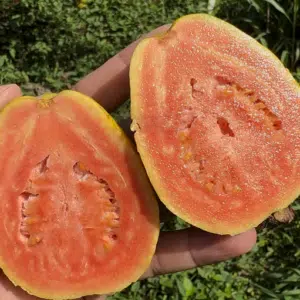
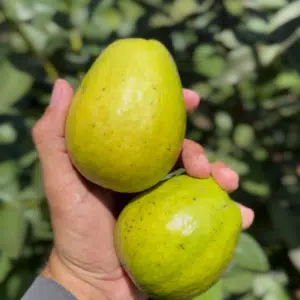
Guava pear (Psidium guajava L.) tropical live big fruit tree 12”-24” tall
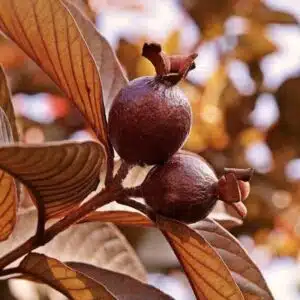
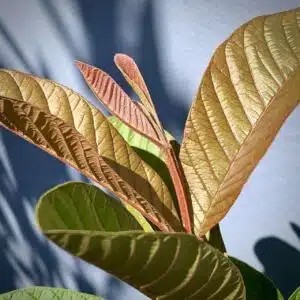
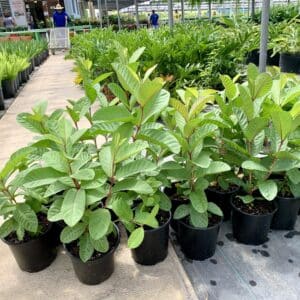
Mexican Guava (Psidium guajava )fruit tree 1’-2’
Related products
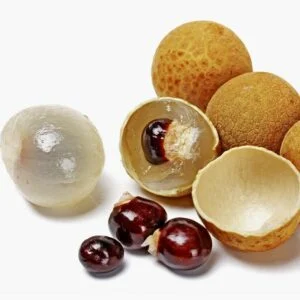
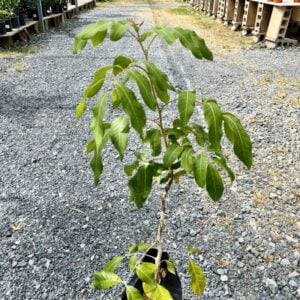
Grafted Longan (Dimocarpus longan) tropical live fruit tree 12″-24″
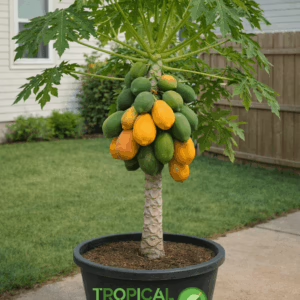
Papaya Tree Seedling (Carica papaya) – Live Tropical Fruit Plant – Fast Growing – USDA Certified


SOURSOP (ANNONA MURICATA) Tropical fruit tree 12″-24″


Mango Haden ( mangifera) tropical fruit tree 12″-24″


Grafted Avocado Long Neck live big fruit tree 12″-24″


Lychee (Litchi chinensis) tropical live fruit tree large rooted cutting 12”-24”
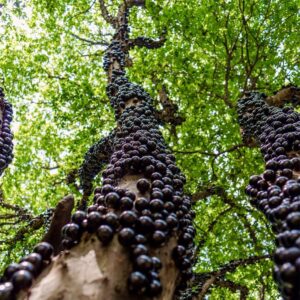
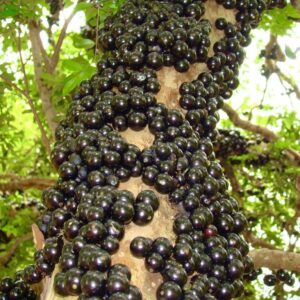
Jaboticaba (Plinia cauliflora) tropical fruit tree 12″-24″

Reviews
There are no reviews yet.