
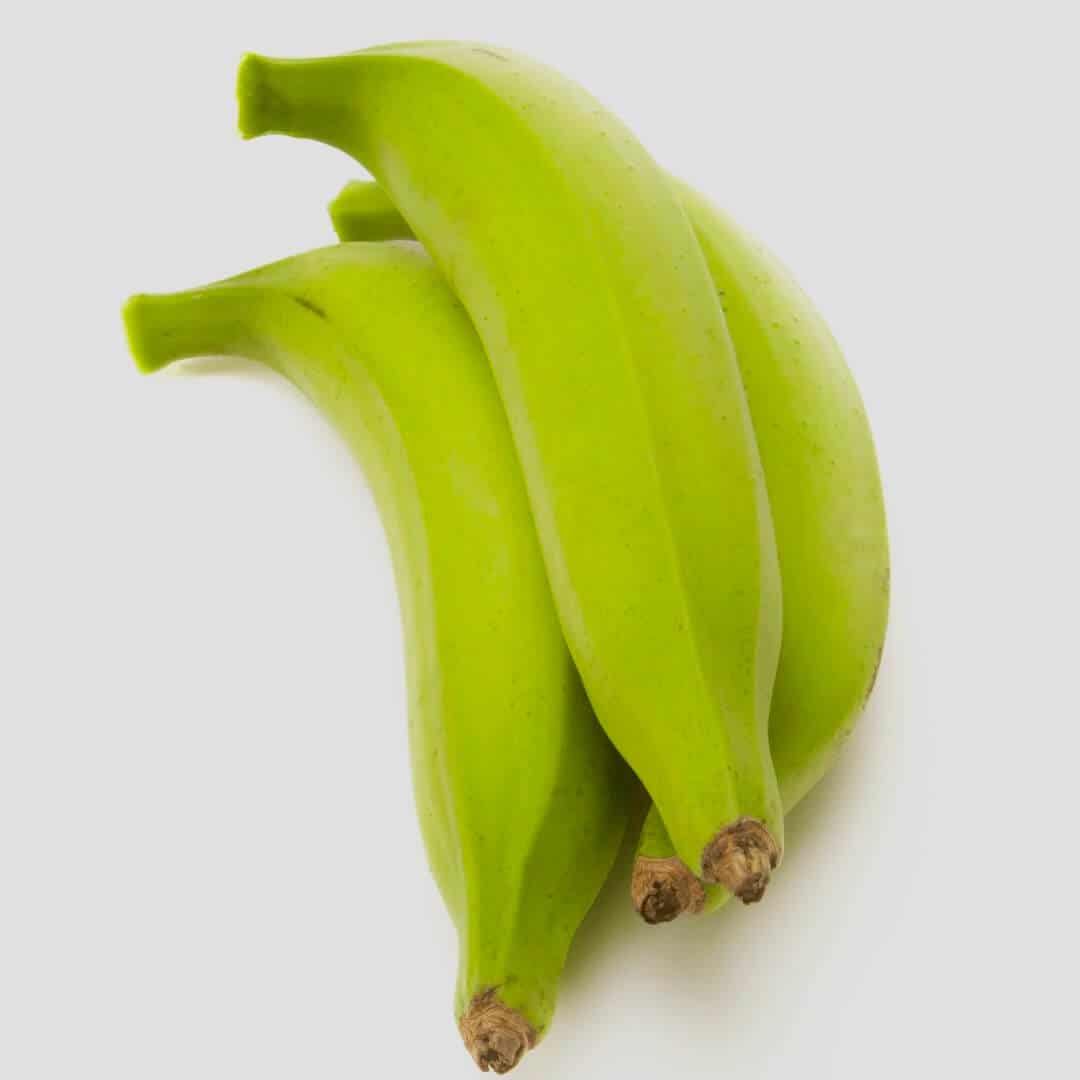
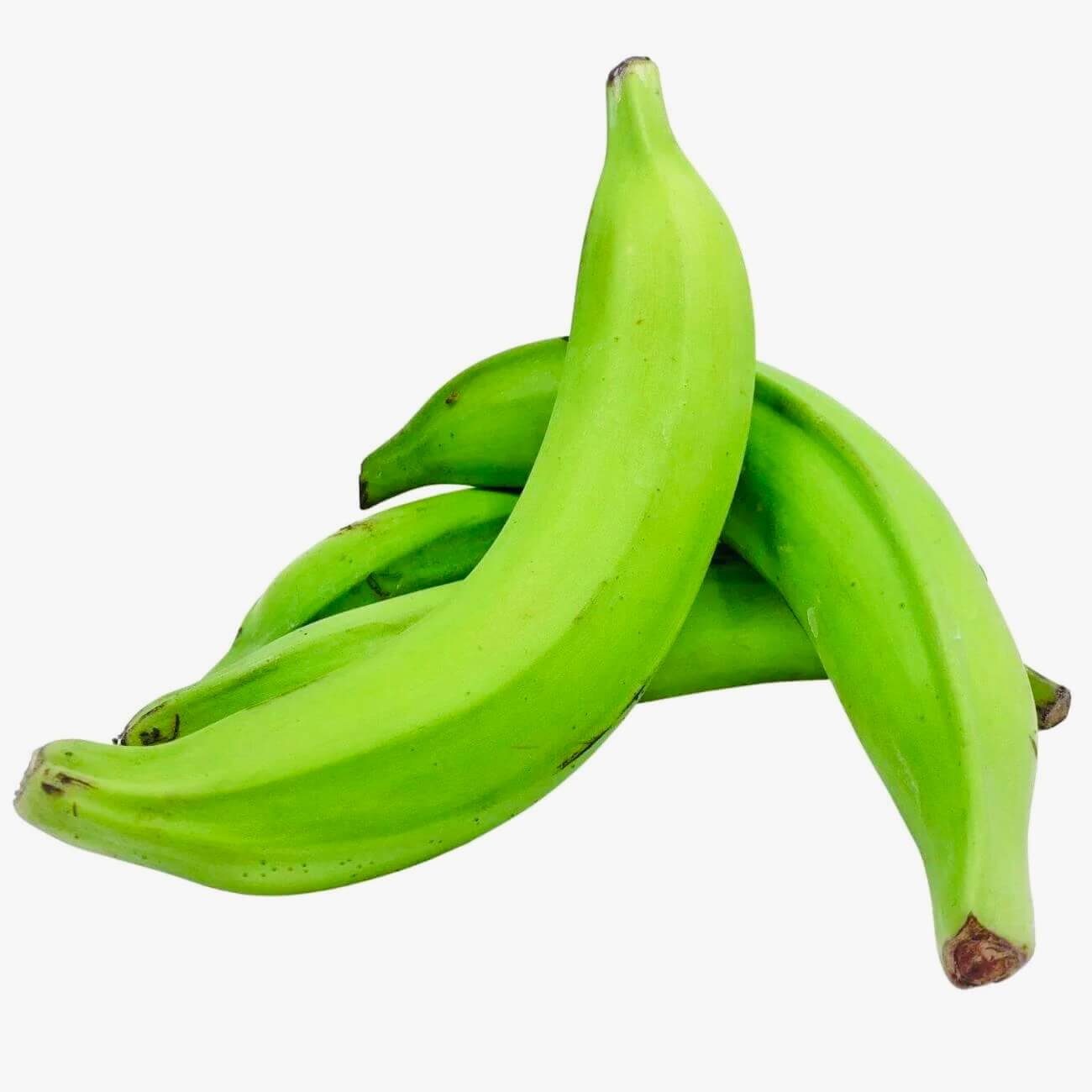
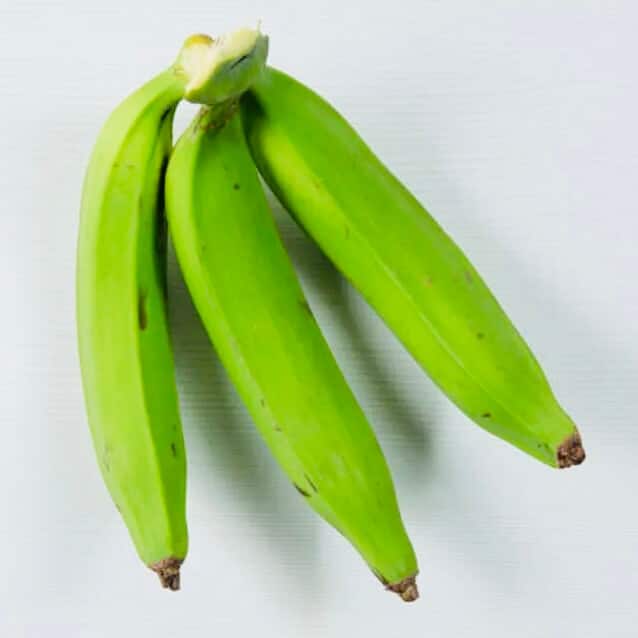
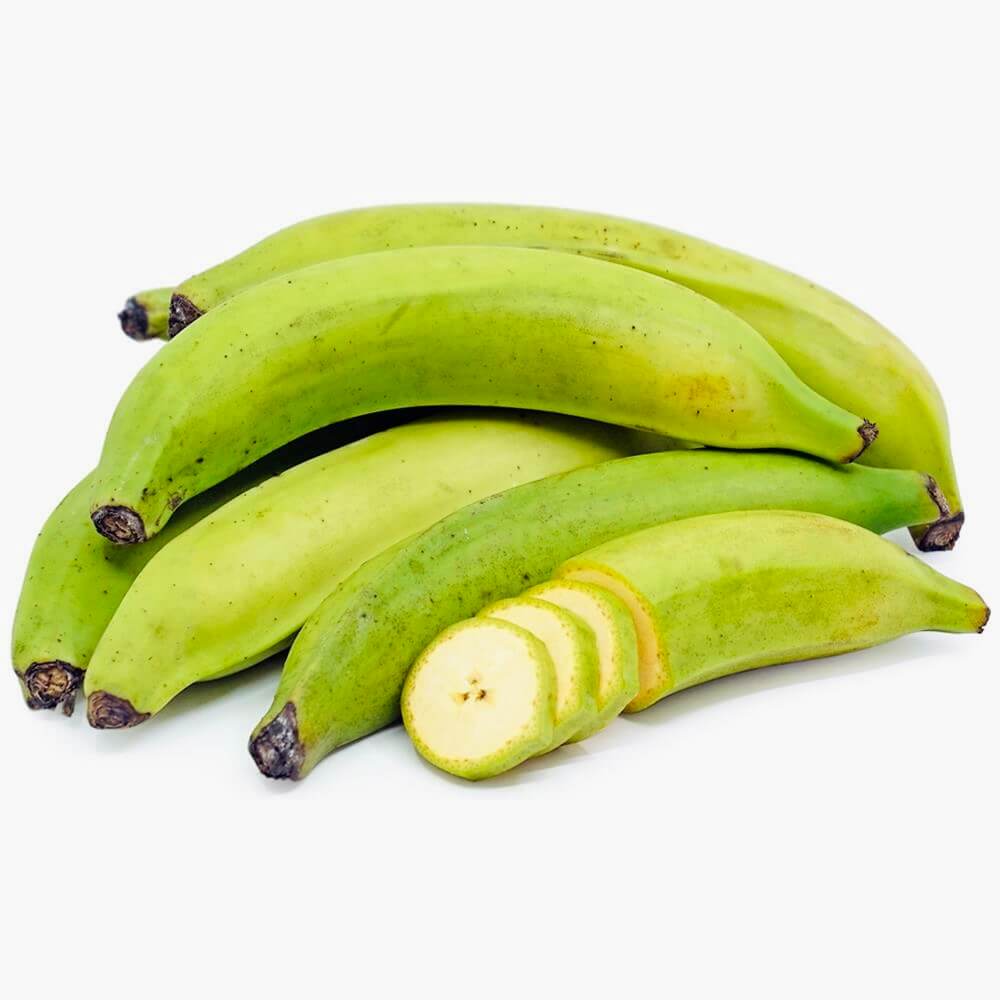










Green Plantain pack up to 10 fruit big box
Price range: $39.99 through $59.99
Green plantain fruit is a versatile and nutrient-rich ingredient used in countless traditional and modern dishes across the tropics and beyond. Whether you’re preparing tostones, baking, or making a traditional stew, green plantains provide an essential base that is both satisfying and adaptable. Its firm texture, mild flavor, and wide range of uses make it an essential addition to any kitchen focused on global or tropical cuisine.
Select:
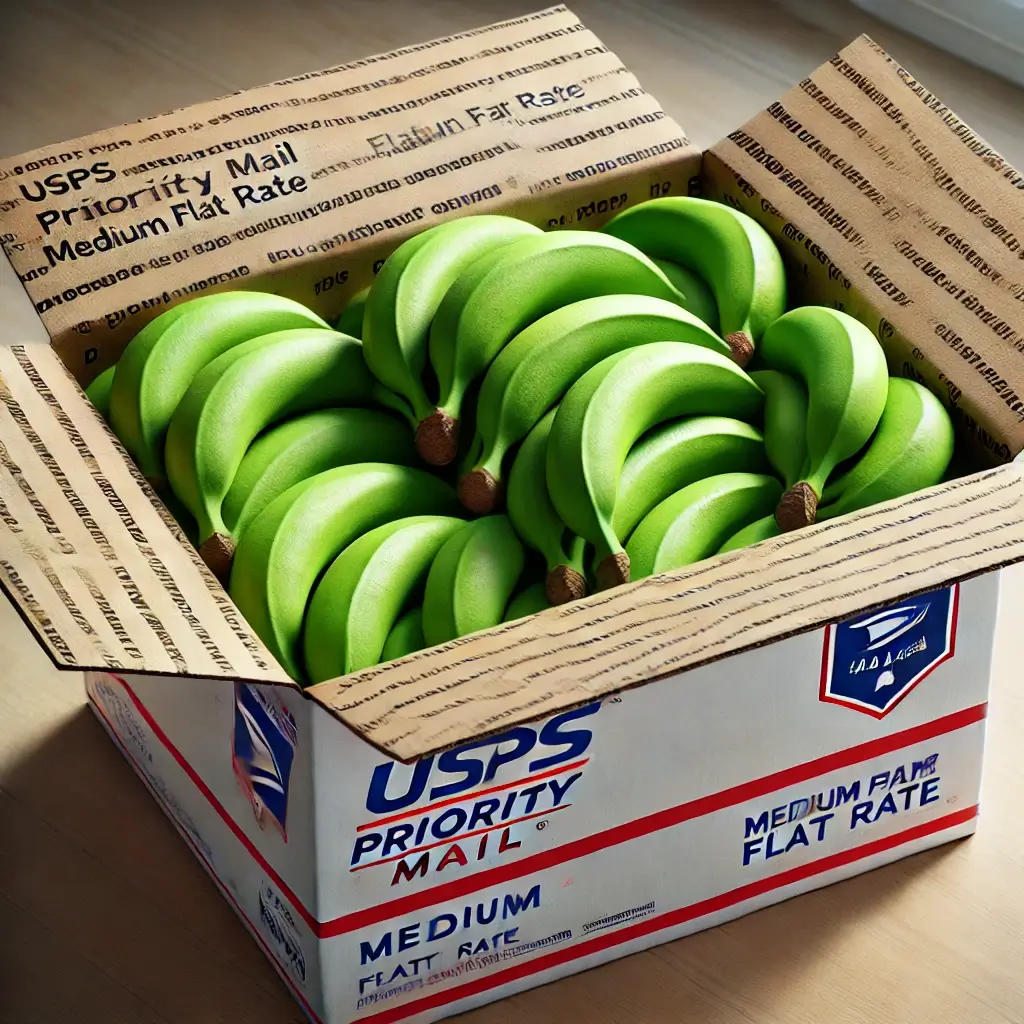
medium box – 5 fruit
large box – 10 fruit
Green plantain fruit is a tropical staple known for its versatility, nutritional value, and importance in many culinary traditions around the world. Scientifically part of the Musa genus, green plantains are closely related to bananas but are generally larger, firmer, and starchier. Unlike sweet bananas, plantains are usually cooked before eating and are considered a vegetable rather than a fruit in most cuisines.
A green plantain is harvested before it ripens, which is why its peel is thick, tough, and green. The flesh inside is pale, dense, and very firm, making it ideal for a variety of savory dishes. As the fruit ripens, it turns yellow and then black, becoming sweeter and softer, but the green stage is prized for its texture and neutral flavor that can absorb spices and seasonings during cooking.
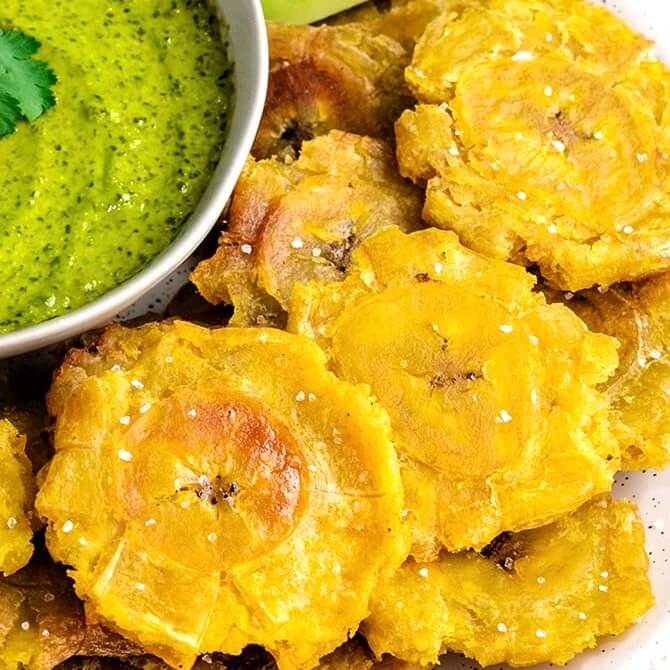
Green plantains are widely used in the Caribbean, Latin America, West Africa, and Southeast Asia, where they are often a daily food item. They can be fried, boiled, baked, or grilled, and are used to make dishes like tostones (twice-fried plantain slices), mofongo (mashed fried plantain with garlic and oil), plantain chips, and boiled plantains served alongside meats or stews.
One of the most popular ways to prepare green plantains is by slicing them into rounds, frying them until golden, flattening them with a press or plate, and frying them again until crispy. This method creates tostones, a beloved side dish or snack that is crunchy on the outside and soft on the inside. Green plantains can also be grated and used to make dumplings, patties, or even gluten-free flour for baking.
Nutritionally, green plantains are a good source of complex carbohydrates, dietary fiber, and important vitamins and minerals such as vitamin A, vitamin C, potassium, magnesium, and vitamin B6. They are low in sugar compared to ripe plantains and bananas, and they provide sustained energy, making them ideal for active lifestyles. Because of their fiber content, green plantains also contribute to digestive health.
The fruit is naturally gluten-free and suitable for many diets including paleo, Whole30, and grain-free plans. It is also commonly used in vegetarian and vegan dishes as a meat substitute because of its hearty texture when cooked.
Green plantains grow on tall plants that resemble trees but are technically giant herbs. Each plant produces a large bunch of plantains that can weigh several dozen pounds. The fruit grows in rows, called “hands,” and each individual plantain is called a “finger.” Once harvested, the plant stops producing, but new shoots emerge from the base to continue growth.
For storage, green plantains should be kept at room temperature and away from direct sunlight. Over time, they will begin to ripen, but to keep them green longer, they can be refrigerated for a short period. However, refrigeration may darken the peel without affecting the interior. For long-term storage, green plantains can be peeled, sliced, and frozen for future use in cooking.
When selecting green plantains, choose ones that are firm to the touch with a uniform green color and minimal blemishes. Avoid overly soft or yellowing plantains if you are looking for starchy, green fruit specifically for frying or boiling.
Green plantains are not eaten raw due to their starchy and mildly bitter taste. Cooking softens the texture and brings out a mild, nutty flavor. When mashed with garlic and olive oil, they create a dense and flavorful side dish. When cut into wedges and fried, they can be served like fries. When boiled and mashed, they serve as a hearty, fiber-rich substitute for mashed potatoes.
This fruit is sold by the piece, bunch, or case, depending on availability and customer needs. It is widely used in restaurants, cafeterias, home kitchens, and food trucks that serve Caribbean, African, or Latin cuisine. It can also be purchased for home meal prep or preserved and processed into flour or snack chips for later use.
| Weight | N/A |
|---|---|
| Dimensions | N/A |
| Box sixe |
medium box ,large box |
Related products






Reviews
There are no reviews yet.