
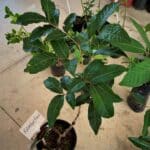


Grafted Rambután (Nephelium lappaceum) exotic fruit tree 2’-3’ feet tall
Original price was: $199.99.$129.99Current price is: $129.99.
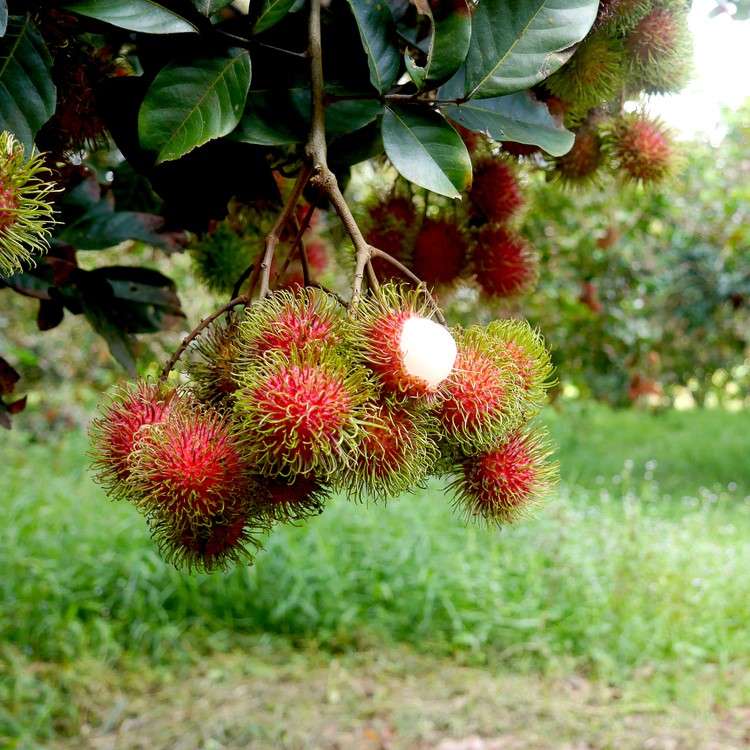
The grafted red rambutan tree, scientifically known as Nephelium lappaceum, is a tropical fruit tree valued for its exotic appearance, juicy fruit, and reliable production when grafted. Native to Southeast Asia, rambutan belongs to the Sapindaceae family and is closely related to other tropical fruits like lychee and longan. The name “rambutan” is derived from the Malay word “rambut,” meaning “hair,” referring to the fruit’s hairy outer shell.
Out of stock
A grafted rambutan tree offers distinct advantages over seed-grown trees. It bears fruit much earlier—typically in 2 to 4 years instead of 5 to 7—and maintains the same desirable traits as the parent tree, such as fruit sweetness, size, color, and productivity. Grafting also increases the chances of a healthy, disease-resistant tree with consistent yields.
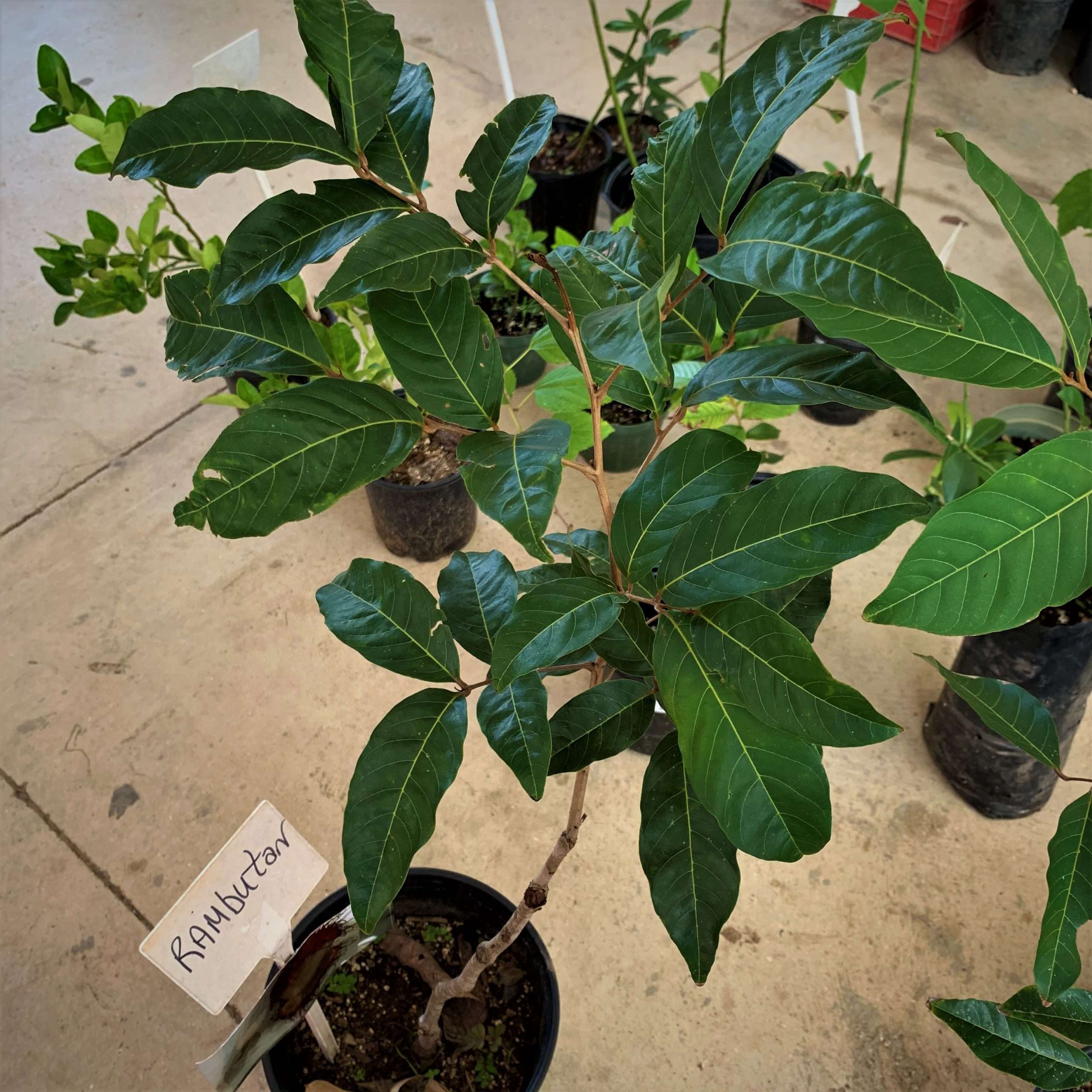
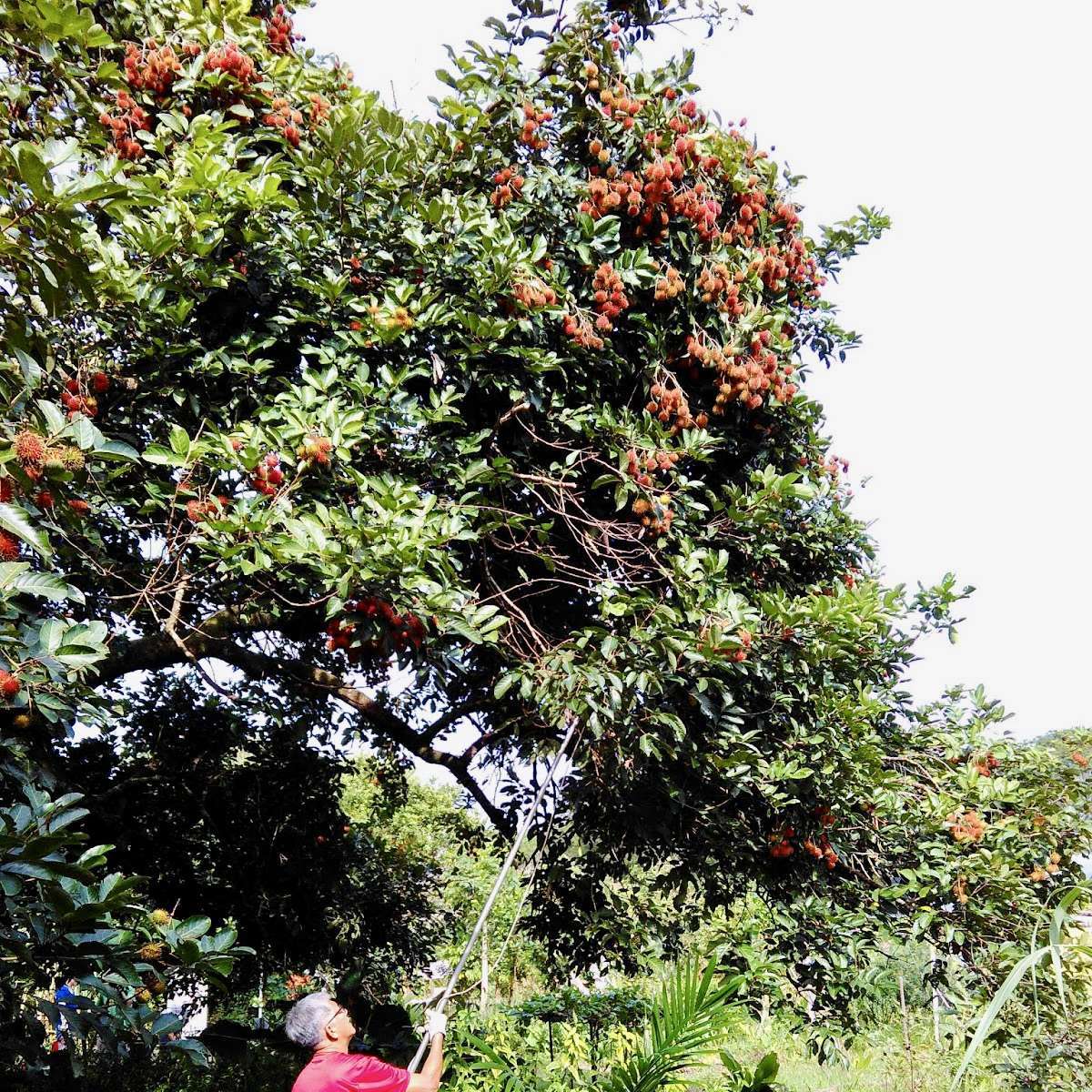
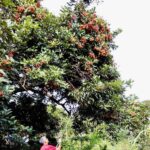
The tree is evergreen, medium-sized, and typically grows to about 30 to 50 feet in height under natural conditions, though in home gardens and small orchards it is often pruned and kept smaller for ease of harvest. The canopy is dense and rounded, providing good shade and shelter for other tropical plants. The leaves are alternate, pinnate, and glossy green with a smooth texture, forming a lush tropical appearance year-round.
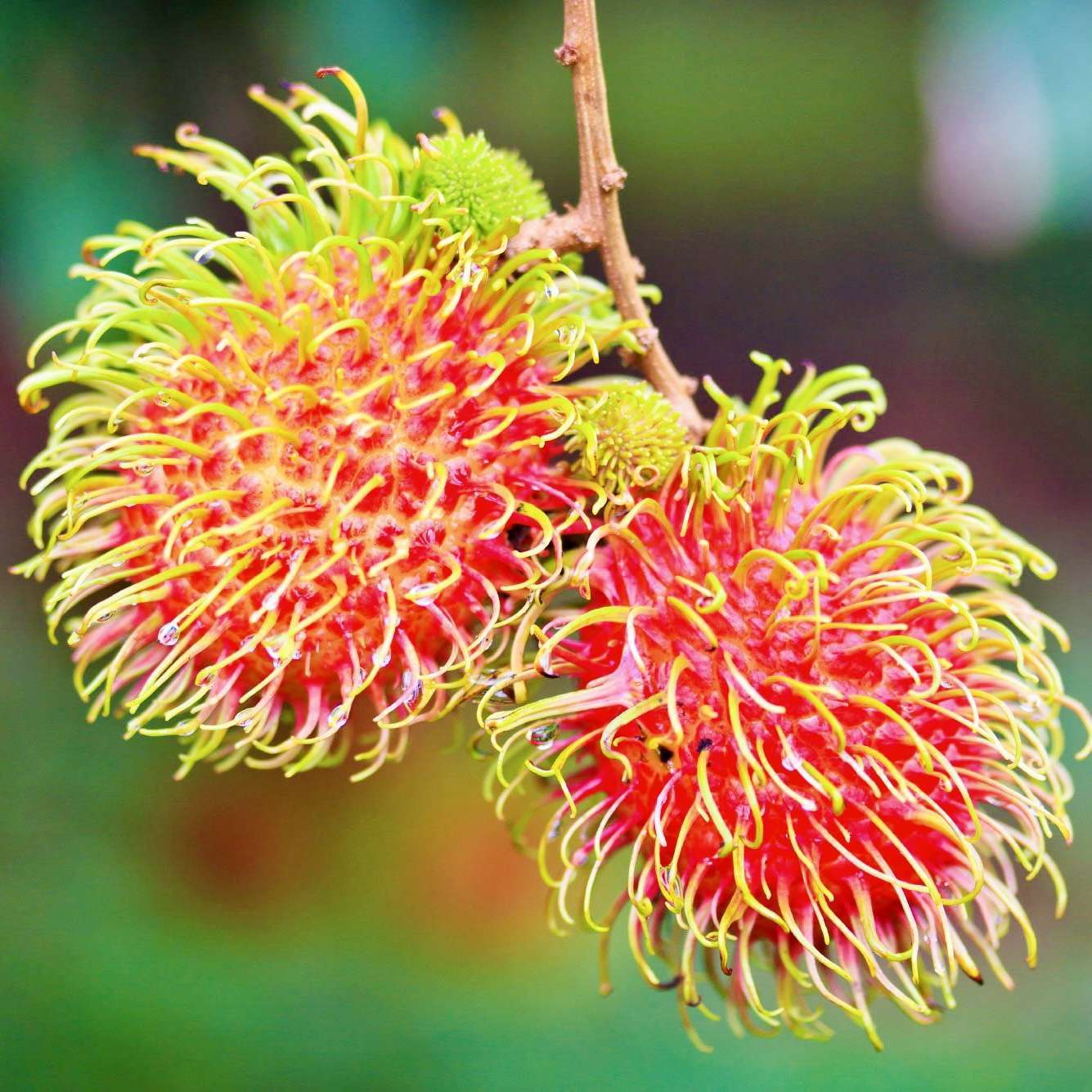
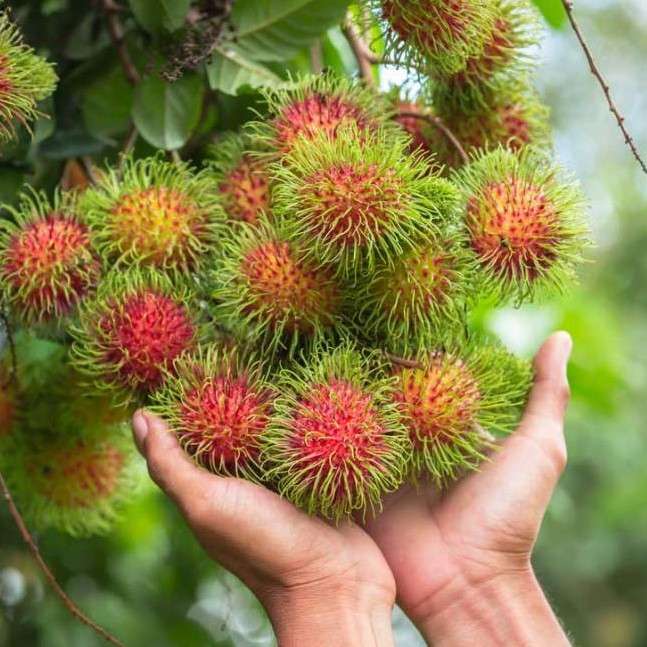
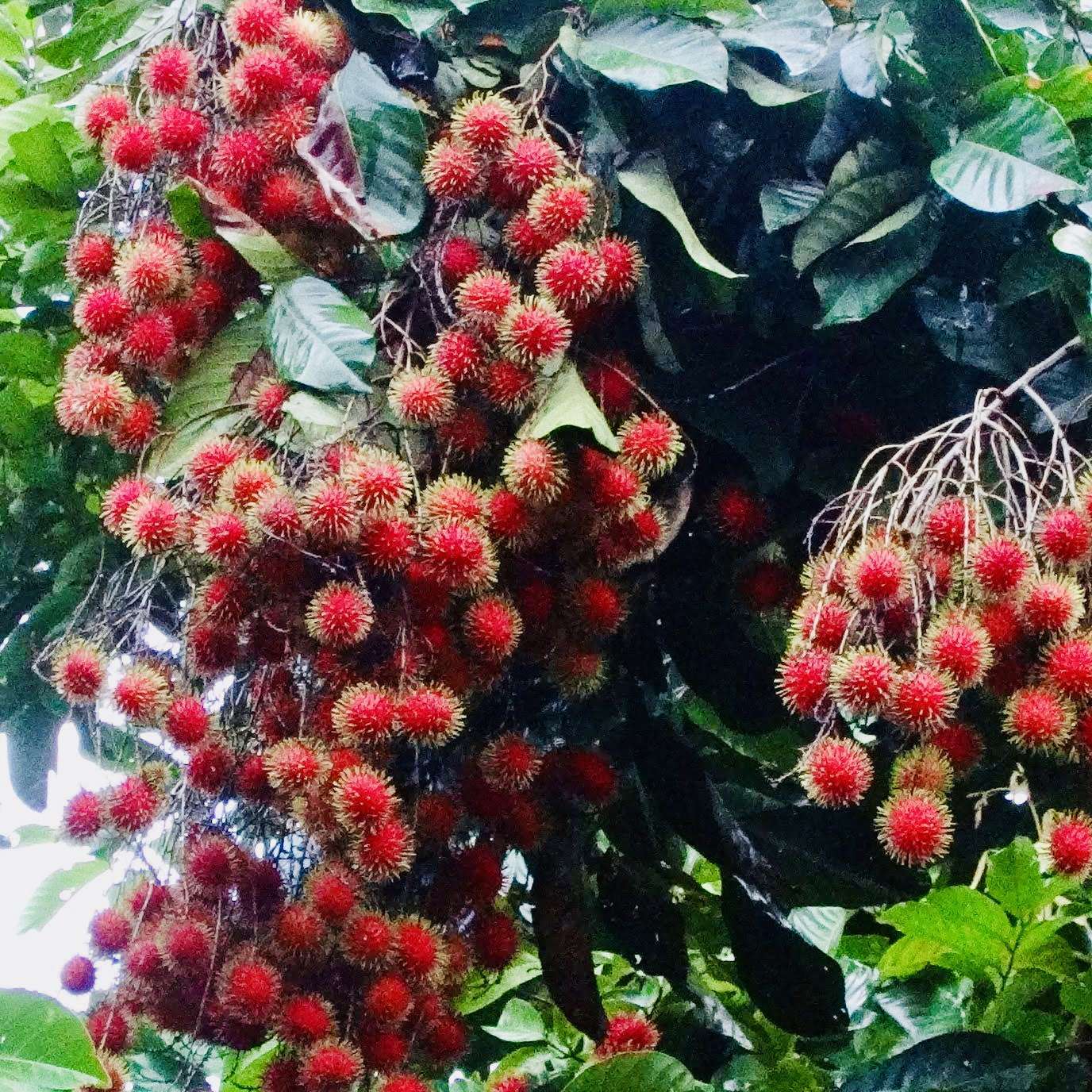
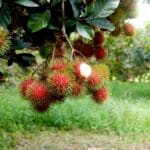
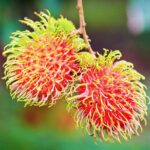
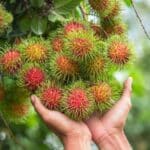
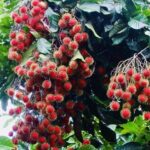
Rambutan trees flower in clusters with small yellowish-green blossoms that are not particularly showy, but they are attractive to pollinators like bees. Fruit sets soon after flowering, and the tree produces dense clusters of red or pinkish-red fruits covered in soft, pliable spines or hairs. The fruits are round to oval in shape, typically 1.5 to 2.5 inches long, and their colorful, hairy skin makes them instantly recognizable.
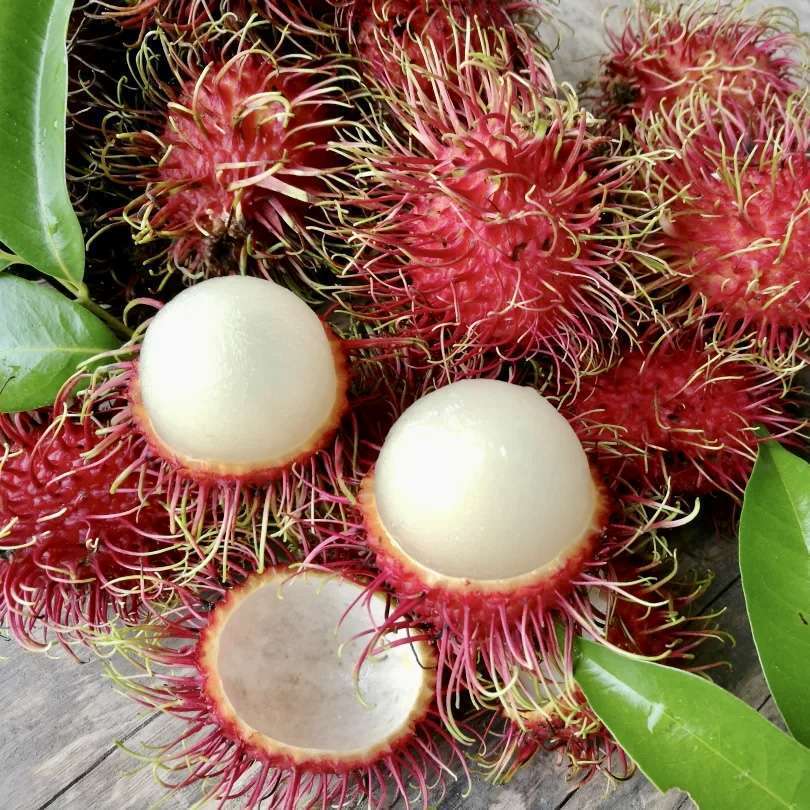
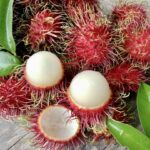
Once opened, the rambutan reveals a translucent white or pale pink flesh that is juicy, sweet, and mildly acidic with a floral aroma. The taste is often compared to a blend of grapes and lychee. Inside the flesh is a single brown seed, which is not eaten. Some grafted varieties produce fruit with “freestone” characteristics, meaning the flesh separates easily from the seed.
The grafted red rambutan thrives in warm, humid tropical climates and is best suited for USDA hardiness zones 10 to 12. The tree prefers temperatures between 70°F and 95°F (21°C to 35°C) and does not tolerate frost. Even short exposure to temperatures below 40°F (4°C) can cause leaf drop or damage to young trees, so frost protection is necessary in marginal climates.
This species grows best in deep, well-drained soils that are rich in organic matter. Slightly acidic soils with a pH between 5.5 and 6.5 are ideal. Rambutan trees require consistent moisture but do not tolerate waterlogging, so proper drainage is essential. Adding compost or mulch around the base of the tree can help retain moisture and improve soil fertility.
Watering is especially important during the dry season and while the tree is flowering and fruiting. Keep the soil evenly moist without allowing it to become soggy. Young trees need more frequent watering until they become established. During the fruiting period, a lack of water can lead to smaller fruit size or fruit drop.
Fertilize grafted rambutan trees regularly with a balanced fertilizer during the growing season. A formula high in nitrogen, potassium, and phosphorus helps promote both vegetative growth and fruit development. Organic compost, well-rotted manure, or a tropical fruit fertilizer blend can be applied every two to three months for best results.
Pruning is important to shape the tree, maintain a manageable size, and improve light penetration and airflow. After fruiting, light pruning can encourage new growth and increase flowering the following season. Remove dead, diseased, or crossing branches as needed. Grafted trees tend to be more compact than seed-grown trees, which also makes them easier to manage in small spaces.
Grafted rambutan trees are generally more pest-resistant than seed-grown varieties, but they can still be affected by insects such as fruit flies, aphids, scale, and mealybugs. Birds and squirrels may also be attracted to the ripe fruit. Fungal issues like anthracnose or root rot may occur in overly wet or humid conditions. Proper spacing, pruning, and avoiding overhead watering help reduce disease risk. Organic sprays like neem oil can be used for minor pest control.
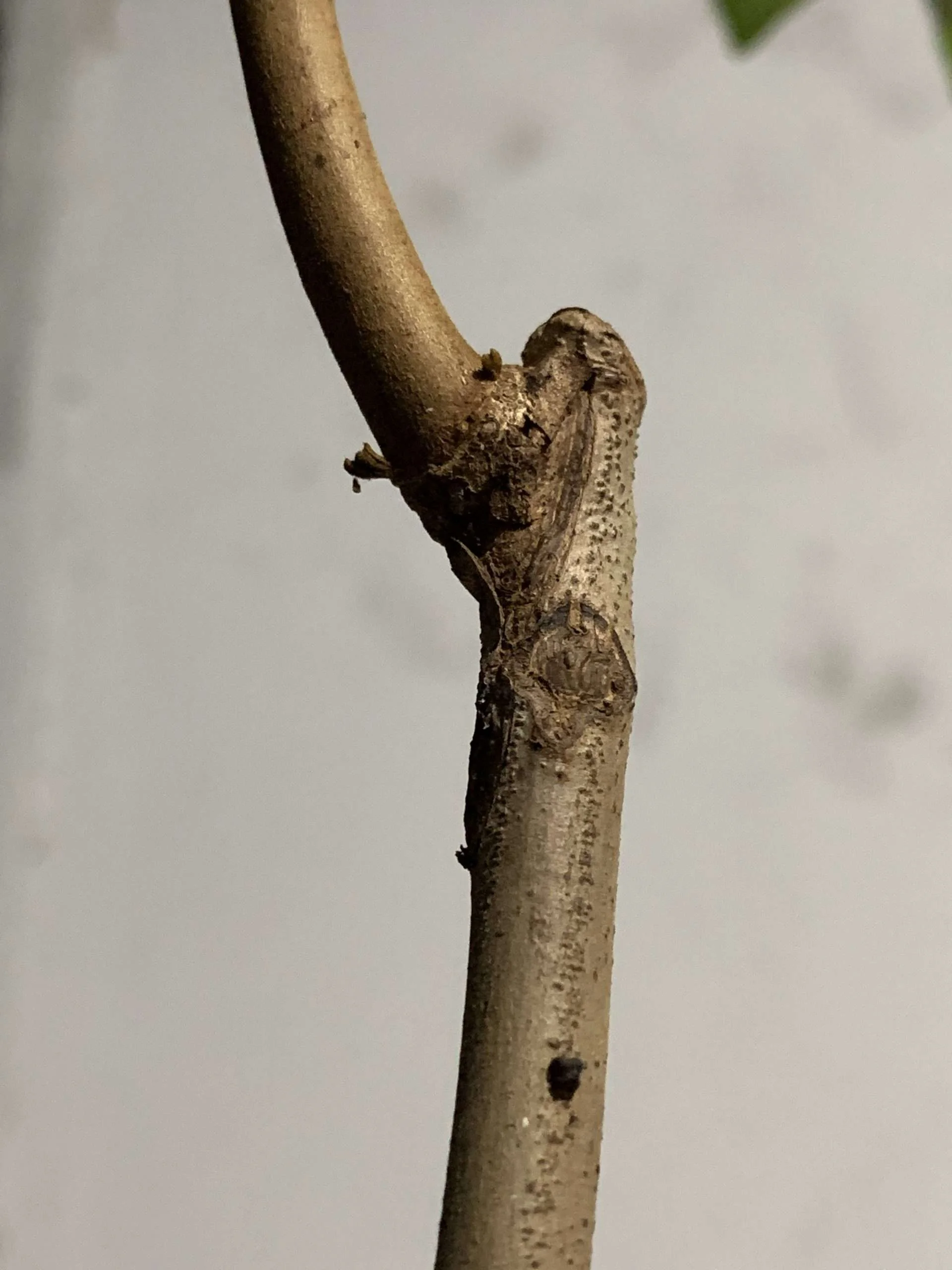
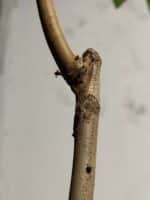
These trees are best propagated by grafting, a process in which a scion from a fruiting tree is joined to a hardy rootstock. This method ensures the new tree retains the desirable characteristics of the parent tree, such as early fruiting, high yield, and sweet fruit. Air layering is another propagation method, but grafting remains the preferred approach for commercial and home growers who want reliable performance.
Rambutan is enjoyed fresh, eaten straight from the shell after peeling. The fruit is refreshing, sweet, and rich in vitamin C, iron, and antioxidants. It can also be used in fruit salads, smoothies, sorbets, jams, jellies, and desserts. In some cultures, rambutan is cooked into savory dishes or paired with spicy sauces.
This tree also has ornamental value thanks to its symmetrical growth habit, glossy leaves, and eye-catching fruit. It can be grown in tropical-themed gardens or as a specimen tree in warm landscapes. While it is too large for most containers, young trees can be kept in pots temporarily and later transplanted into the ground once mature enough.
In summary, the grafted red rambutan (Nephelium lappaceum) is a highly desirable tropical fruit tree offering early fruiting, consistent quality, and impressive yields. Its sweet, juicy fruits, beautiful appearance, and ease of care make it an excellent choice for gardeners in warm climates who want to grow something exotic, delicious, and unique. With the right environment and attention to watering, soil, and fertilization, a grafted rambutan tree can produce fruit for many years and serve as a centerpiece in any tropical garden or homestead.
| Weight | 15 oz |
|---|---|
| Dimensions | 22 × 4 × 4 in |
| Planting Bag + Soil |
Planting bag + Soil ,I have soil and container |
You may also like…
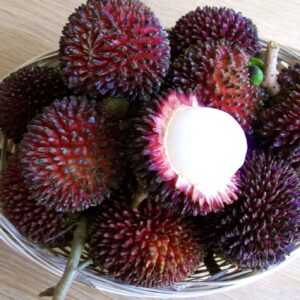
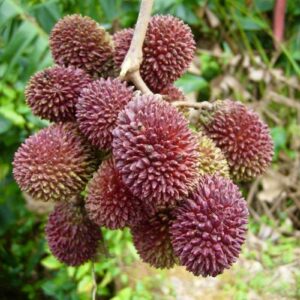
Grafted Pulasan (Nephelium ramboutan-ake) Exotic fruit tree 24”-36”
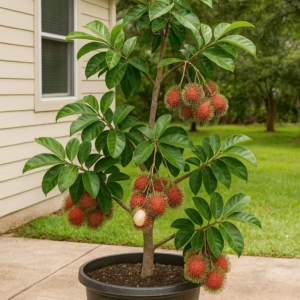
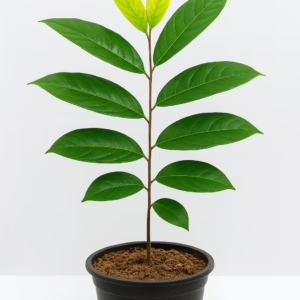
Rambutan (Nephelium lappaceum) exotic fruit live tree
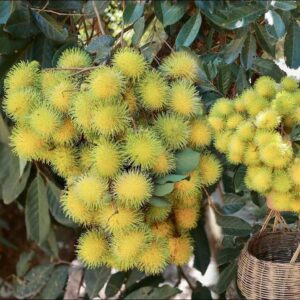
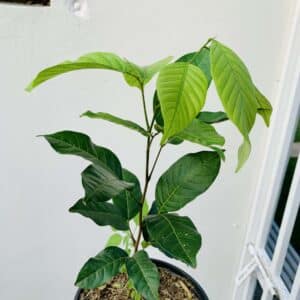
Yellow Rambután (Nephelium lappaceum) exotic fruit live tree 12”-24” Vibrant enticing
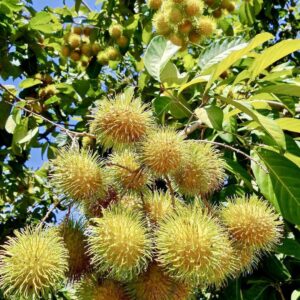
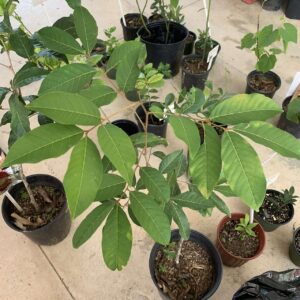
Grafted Yellow Rambután (Nephelium lappaceum) exotic fruit live tree 24”-36”
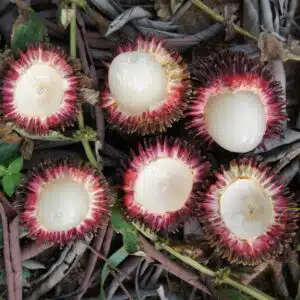
Pulasan (Nephelium ramboutan-ake) Exotic fruit tree 12″-24″
Related products


Grafted Mango Tropical live tree Kent 3’-4’ tall
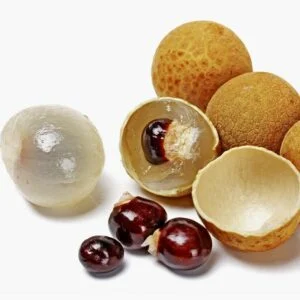
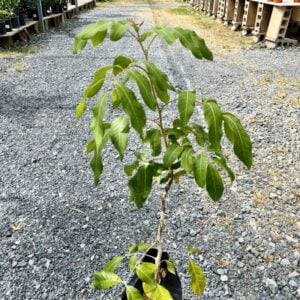
Grafted Longan (Dimocarpus longan) tropical live fruit tree 12″-24″
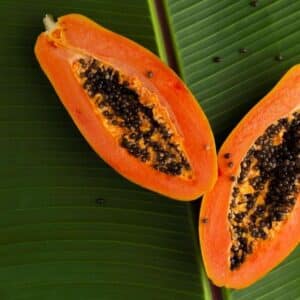
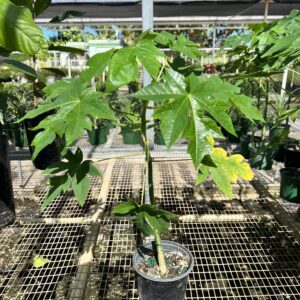
Papaya (Carica papaya) live fruit tree 1’-2’




Reviews
There are no reviews yet.