
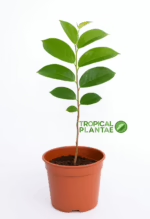
Soursop Tree (Guanabana) – Live Tropical Fruit Tree
Original price was: $60.00.$44.99Current price is: $44.99.
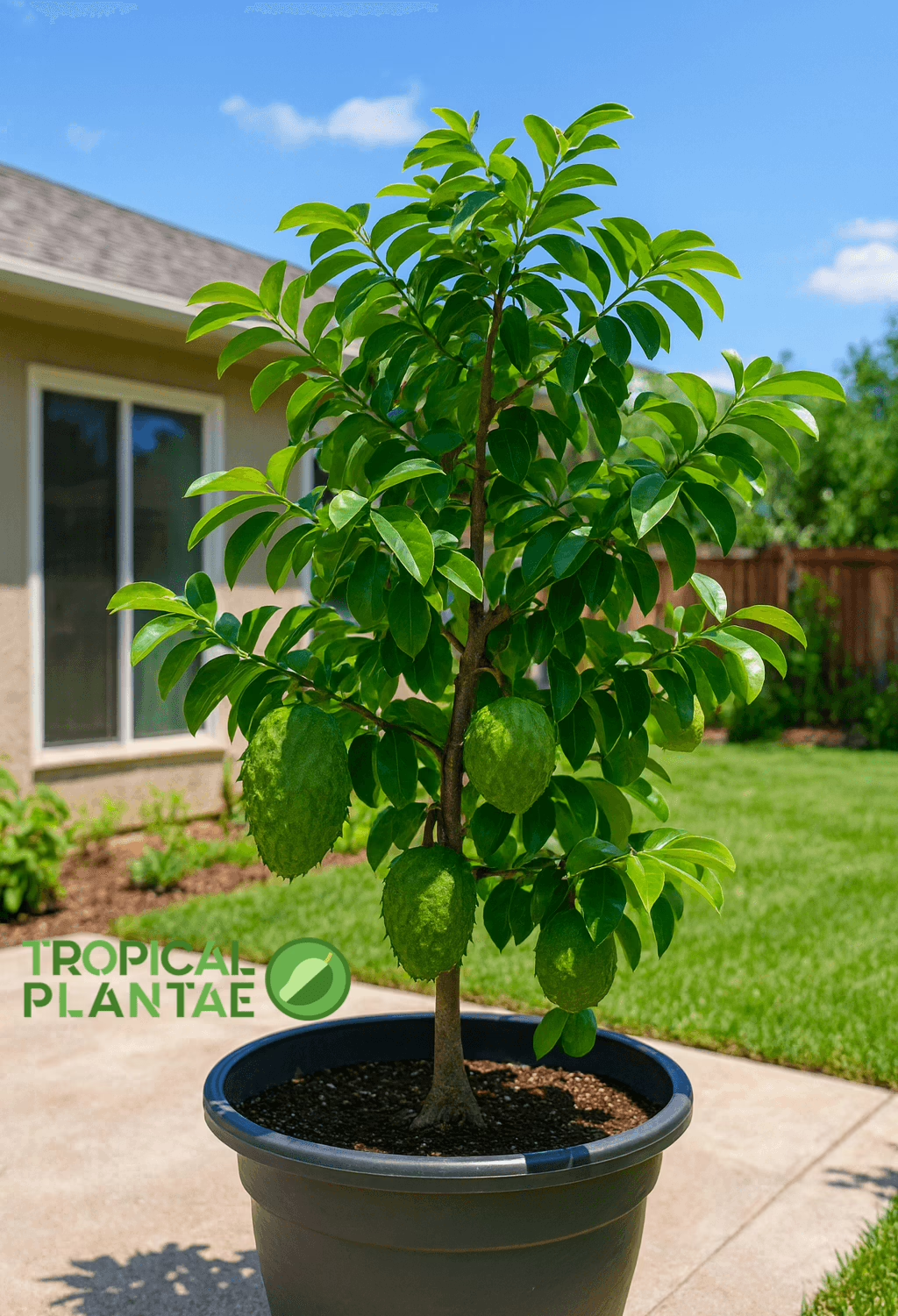
The soursop tree, scientifically known as Annona muricata, is a tropical fruit tree admired for its large, spiky green fruits, soft creamy pulp, and lush evergreen foliage. Native to the Caribbean, Central America, and tropical regions of South America, it is now grown widely across warm climates due to its unique fruit flavor, fast growth, and ease of cultivation. Also known as guanabana, graviola, or guyabano, the soursop tree is a valued addition to home orchards, tropical gardens, and fruit-growing landscapes.
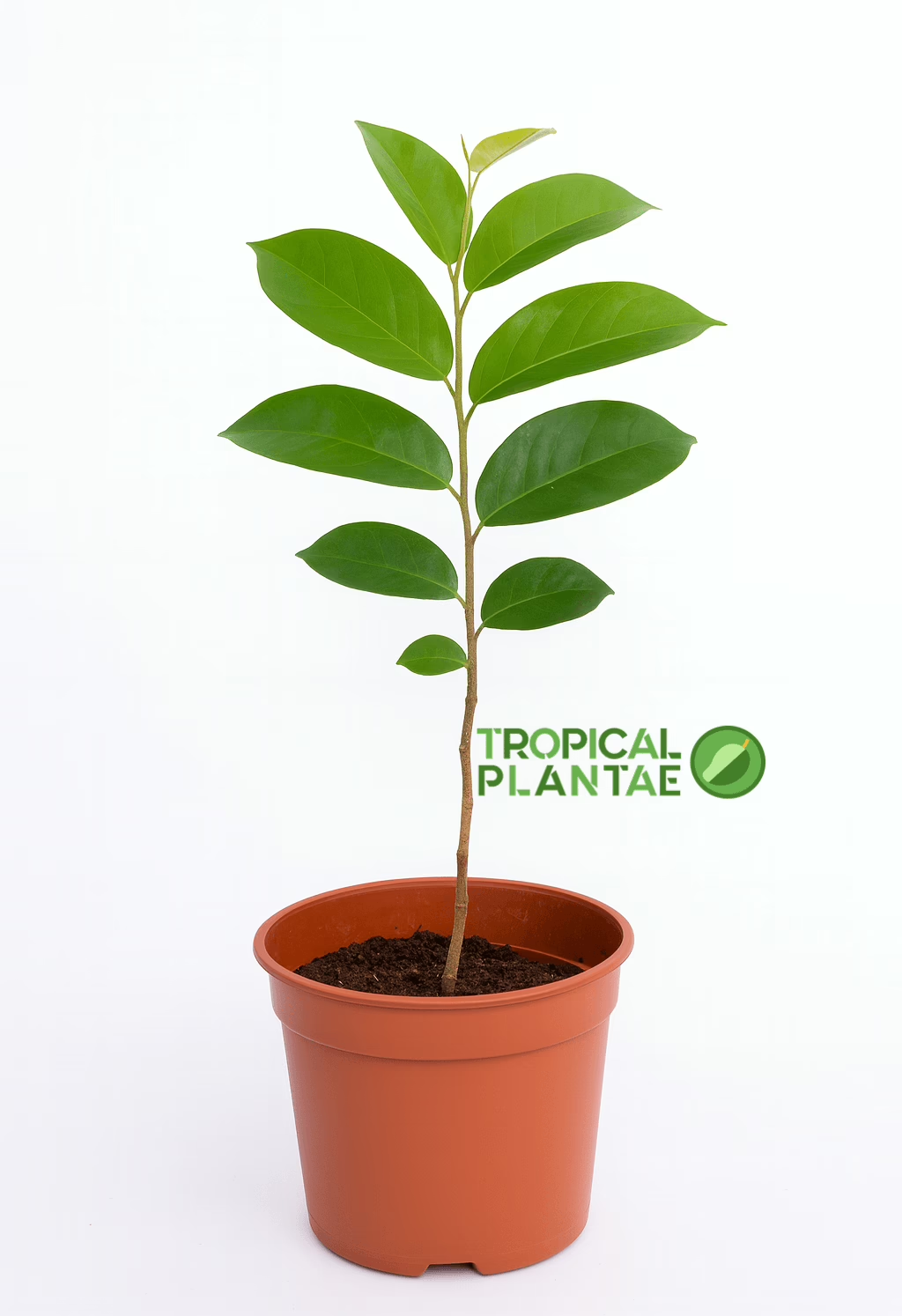
The soursop tree is typically a small to medium-sized evergreen tree that grows between 12 and 30 feet tall. It forms a naturally open canopy with flexible branches and thick, glossy leaves that remain green year-round. The leaves are dark green, smooth, and oval-shaped, giving the tree a rich tropical appearance. Soursop trees produce flowers directly on the branches and trunk, a characteristic of many Annona species. The flowers are yellow-green and slightly waxy, appearing individually or in small clusters.
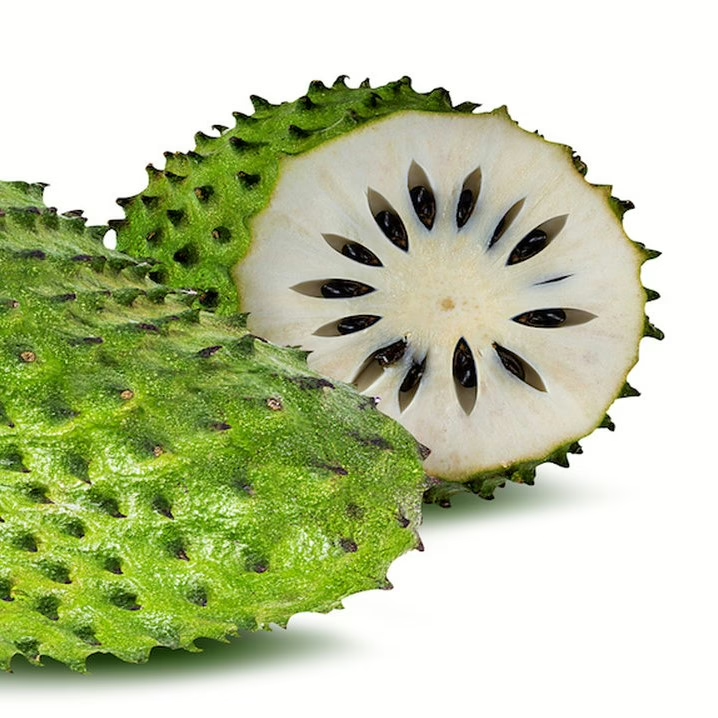
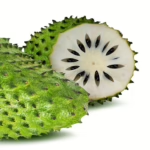
One of the most recognizable features of the soursop tree is its fruit. Soursop fruits are large, irregularly oval, and covered in soft, flexible spines. They can weigh anywhere from a few pounds to over ten pounds depending on growing conditions and tree maturity. The skin is green and leathery, becoming lighter as the fruit ripens. Inside, the white pulp is soft, fibrous, and creamy, with a sweet and slightly tangy flavor often compared to a blend of pineapple, banana, and mango. The pulp contains small black seeds that are easily removed. Soursop fruit is commonly eaten fresh or used to make smoothies, juices, desserts, ice creams, and other tropical dishes.
The soursop tree thrives in tropical and warm subtropical climates and is best suited for USDA hardiness zones 10 through 11. It grows best in temperatures between 70°F and 90°F and does not tolerate frost. Even short exposures to cold temperatures can cause leaf drop or damage to young branches. It should be planted in a warm, sheltered location with full sun exposure for healthy growth and maximum fruit production.
Soursop trees prefer well-draining soil, ideally sandy loam enriched with organic matter. They tolerate slightly acidic to neutral soil pH and grow well in areas with high humidity. Regular watering is important, especially during dry periods. The soil should be kept consistently moist but not waterlogged. Overwatering or poorly draining soil can lead to root problems, so proper drainage is essential. Mulching around the base helps retain soil moisture and regulate temperature.
Fertilization supports the tree’s growth and fruiting potential. Applying a balanced fertilizer during spring and summer, along with organic compost, helps maintain healthy foliage and promote strong fruit production. Potassium-rich fertilizers can improve fruit flavor and quality. Young trees benefit from frequent light feedings, while mature trees may only need fertilizing a few times a year.
Pruning is useful for shaping the tree, improving airflow, and encouraging strong branches capable of supporting heavy fruit. Light pruning after harvest helps maintain size and remove dead or crossing branches. Soursop trees respond well to careful shaping and can be kept at a manageable height for easier harvesting.
The soursop tree is generally hardy but may experience occasional pest issues such as scale insects, aphids, mealybugs, or caterpillars. Fruit flies may also target ripening fruit in some regions. Regular inspection and good cultural practices help reduce pest pressure. Neem oil and insecticidal soap can be used when necessary. Fungal leaf spots can occur in wet conditions but are usually minor when the tree has good airflow and proper watering.
Propagation of soursop is commonly done from seed, which germinates readily under warm conditions. Seed-grown trees usually begin fruiting in 3 to 5 years. Air layering or grafting can also be used to shorten fruiting time and preserve specific characteristics, but seeds are the most common method. Seedlings are easy to transplant once they reach a healthy size.
Soursop fruit is a favorite in tropical cuisines. The soft pulp is perfect for fresh eating, blending into beverages, or making desserts like sorbets and custards. It can also be frozen for later use. The fruit’s distinctive flavor makes it stand out among tropical fruits, and many people enjoy its creamy, refreshing taste.
In landscaping, the soursop tree adds a strong tropical look to gardens with its large leaves and unique fruit. It pairs well with mango, avocado, papaya, guava, longan, and other tropical species. It can be planted as a standalone specimen or as part of a mixed orchard. Because it grows quickly, it provides early fruit and a lush appearance within a few years of planting.
In summary, the soursop tree is a productive and attractive tropical fruit tree known for its large, flavorful fruits and lush evergreen foliage. With full sun, well-drained soil, regular watering, and seasonal fertilizing, it can provide generous harvests for many years. It is an excellent choice for gardeners seeking a unique and rewarding fruit tree for warm climates.
| Weight | 15 oz |
|---|---|
| Dimensions | 22 × 4 × 4 in |
| Planting Bag + Soil |
Planting bag + Soil ,I have soil and container |
1 review for Soursop Tree (Guanabana) – Live Tropical Fruit Tree
Related products
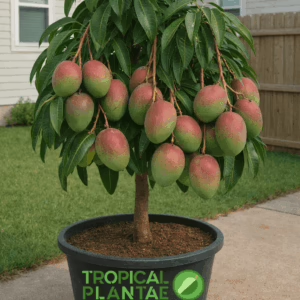
Grafted Kent Mango Tree – Live Tropical Fruit Tree – Premium Variety – USDA Certified

Grafted Mango Pineapple Live fruit Tree 3’-4’
Exotic Pitahaya Cactus Live Plant
Passion fruit live fruit plant 1’-2’


Grafted Avocado Long Neck live big fruit tree 12″-24″




Octavian Chiriac (verified owner) –
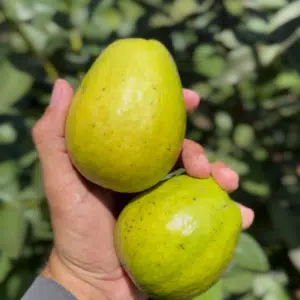
tree as pictured, I have received with no problems