
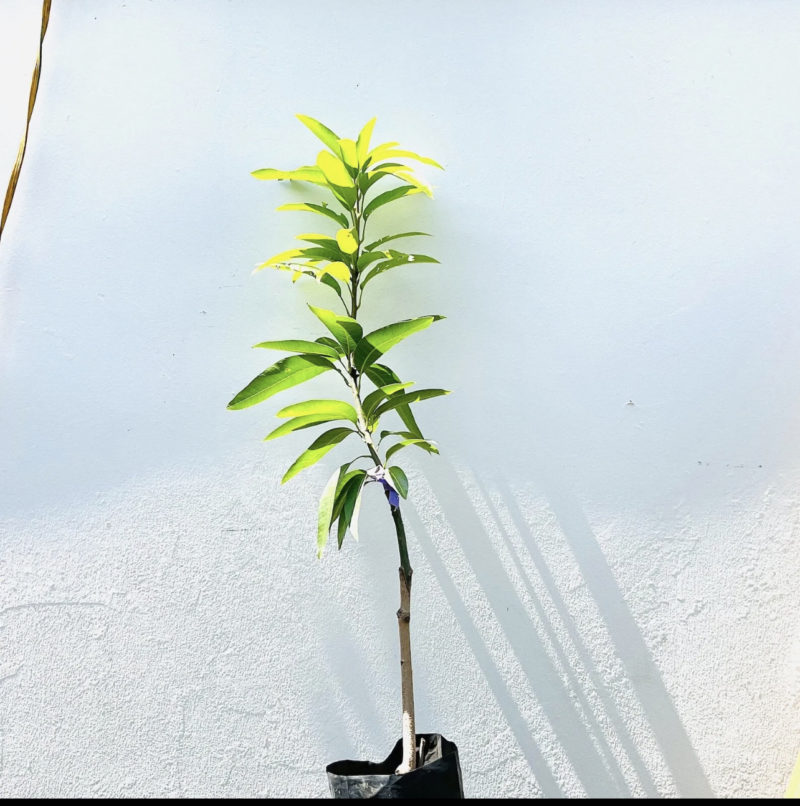
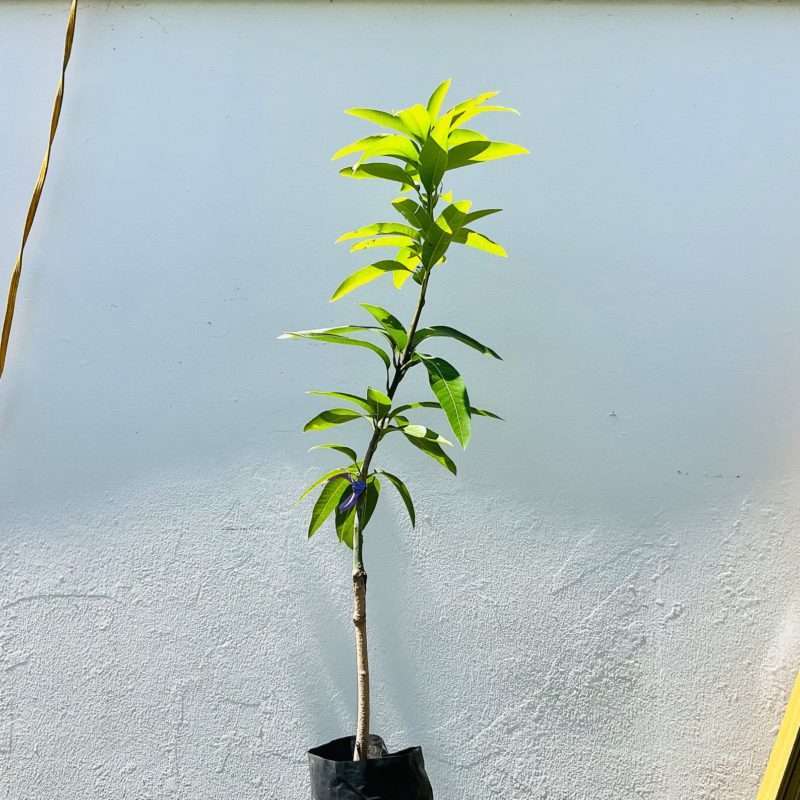
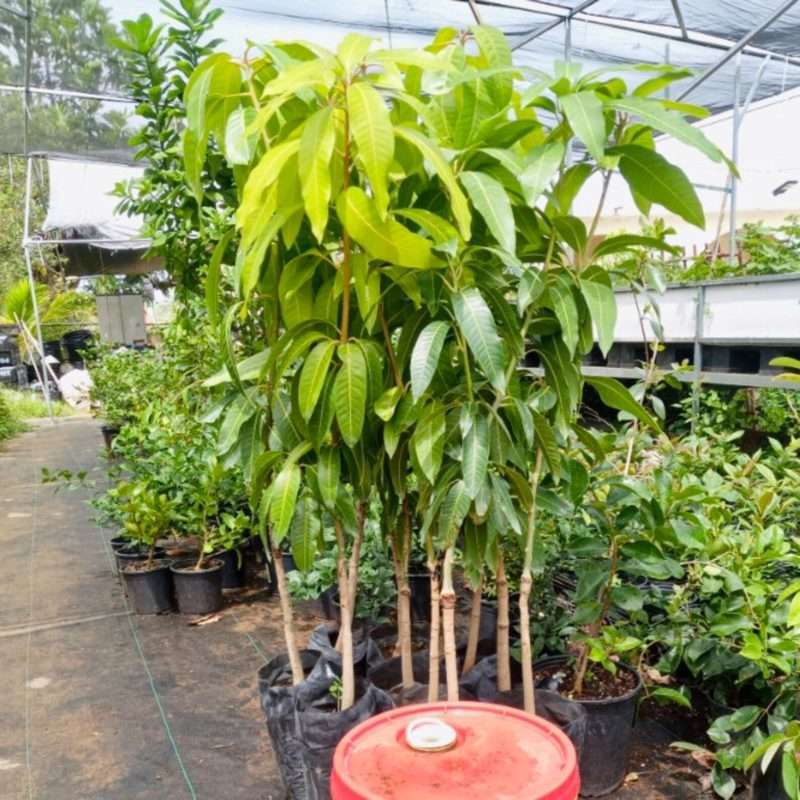
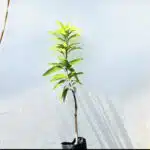
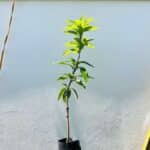
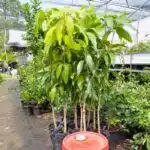

Big Grafted Mango mahachanok (mangifera) live fruit tree 3’-4’ feet tall
Original price was: $100.00.$59.99Current price is: $59.99.
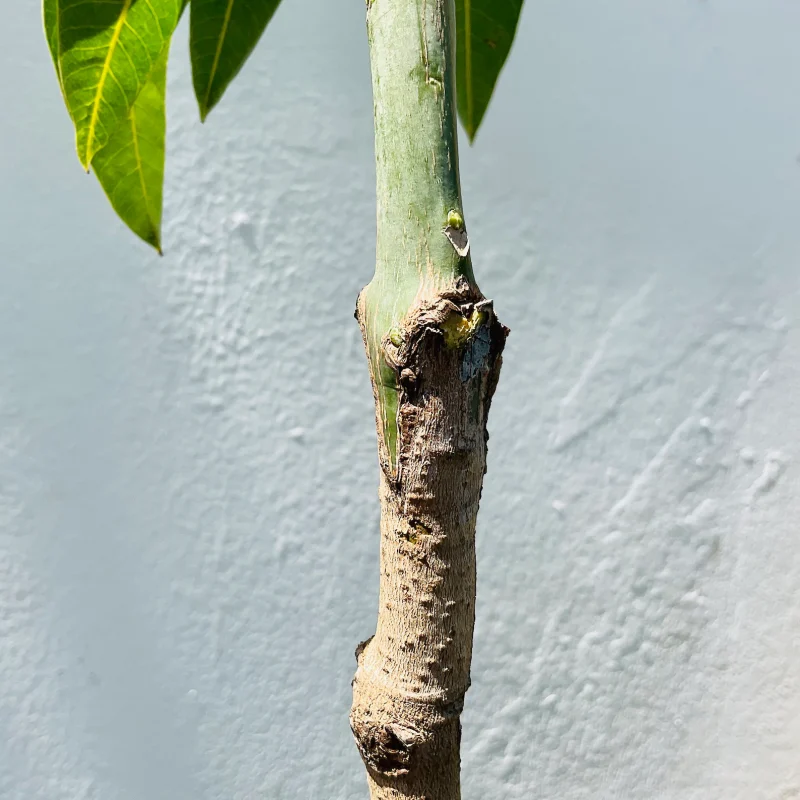
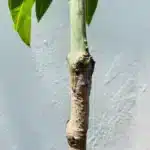
The grafted Mahachanok mango tree is a premium tropical fruit variety prized for its unique elongated shape, vibrant coloration, exceptional flavor, and reliable productivity. Originating in Thailand, Mahachanok is also known as the “Miracle Mango” due to its superb eating quality and consistent performance in both home gardens and small orchards. Grafting ensures the tree produces identical fruit to its parent variety and begins bearing fruit much earlier than seed-grown trees, often within 2 to 4 years.
The grafted Mahachanok mango tree is a premium tropical fruit variety prized for its unique elongated shape, vibrant coloration, exceptional flavor, and reliable productivity. Originating in Thailand, Mahachanok is also known as the “Miracle Mango” due to its superb eating quality and consistent performance in both home gardens and small orchards. Grafting ensures the tree produces identical fruit to its parent variety and begins bearing fruit much earlier than seed-grown trees, often within 2 to 4 years.
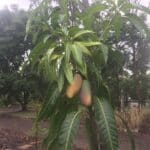
Mahachanok mango trees are semi-dwarf and manageable in size, typically reaching 10 to 20 feet tall when mature, though they can be pruned to stay smaller, making them ideal for smaller yards, container growing, or compact orchards. The tree has an attractive, upright growth habit with dense, dark green foliage and strong limbs that support heavy fruit production.
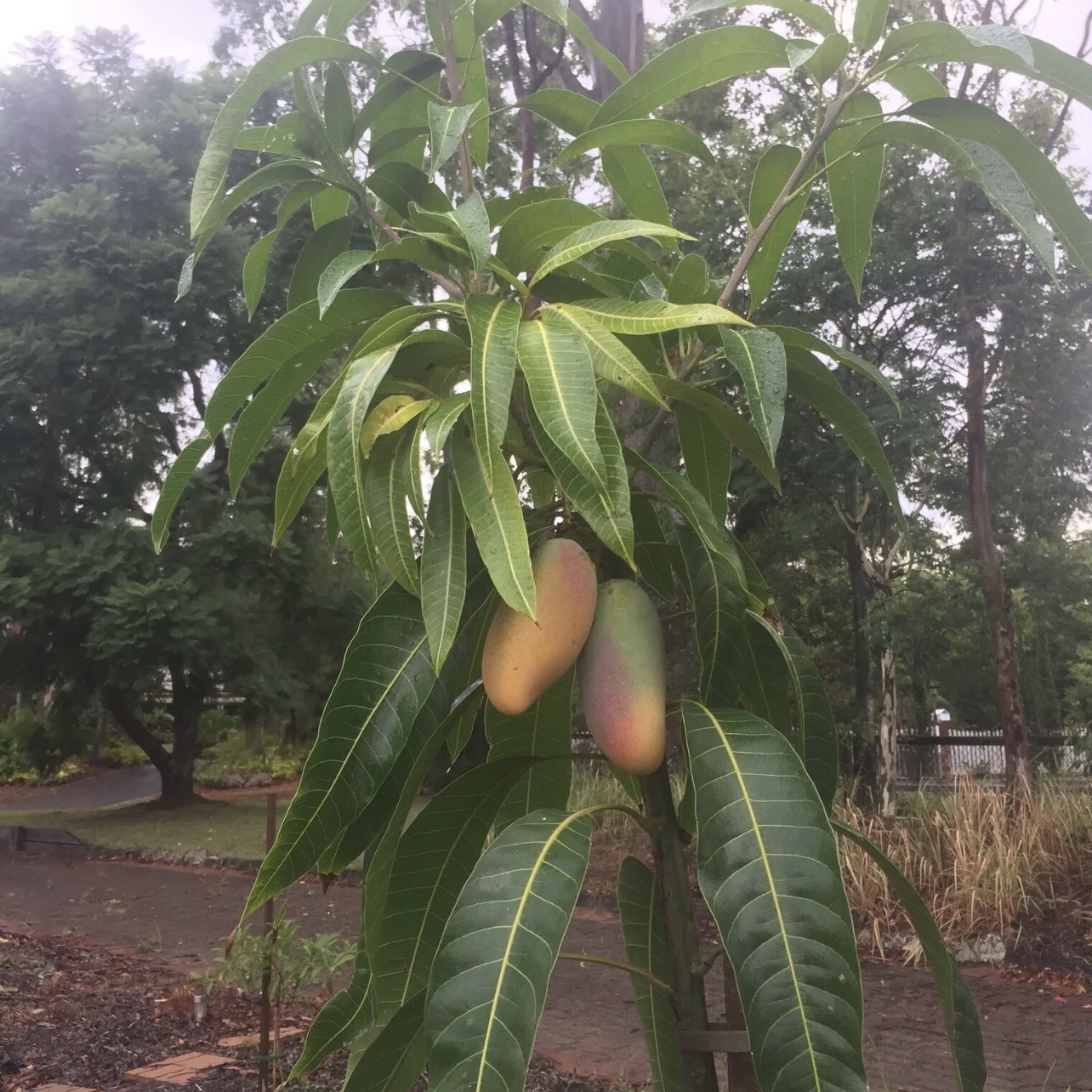
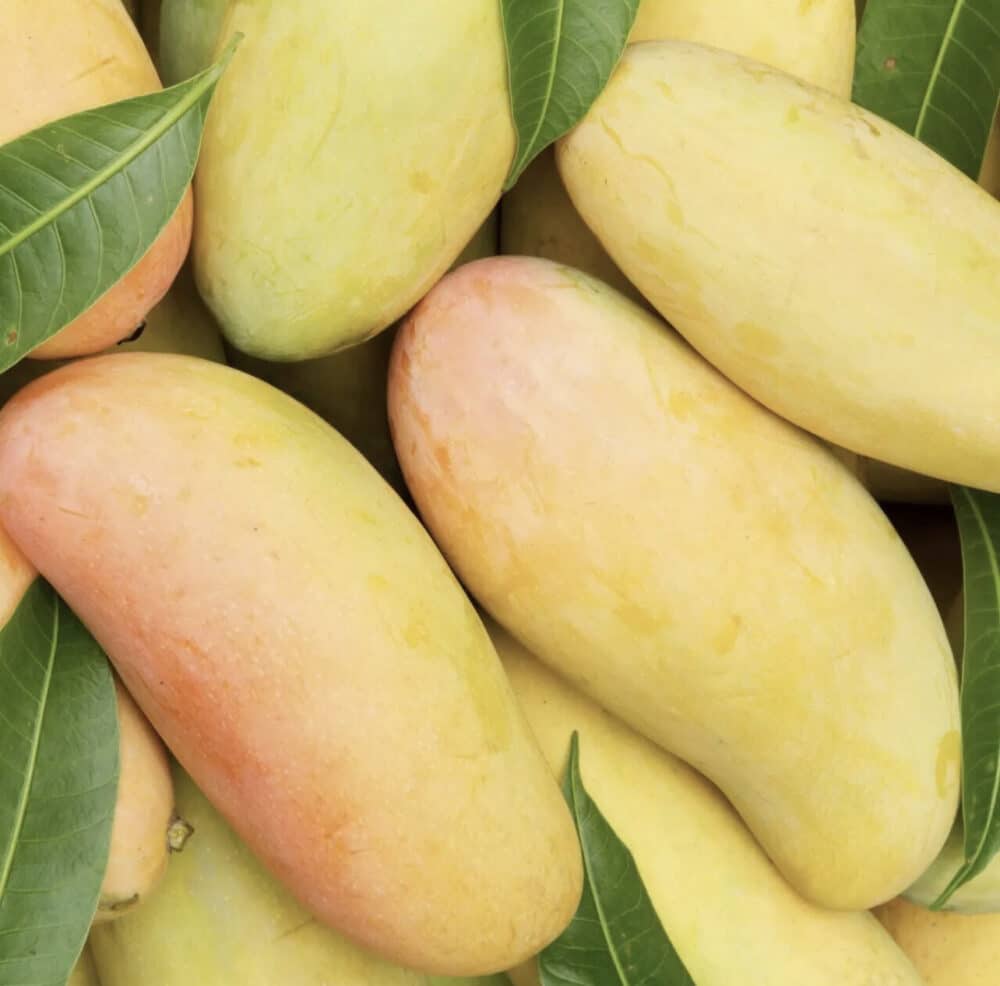
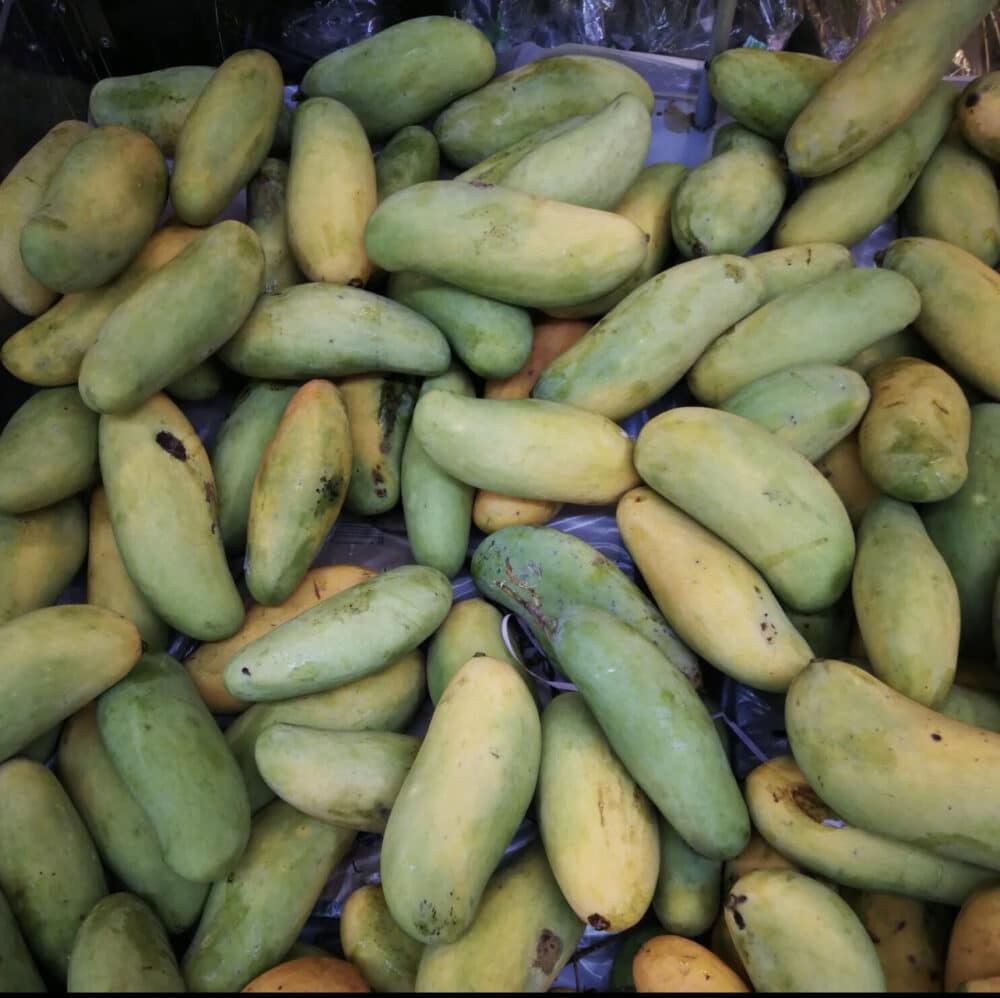
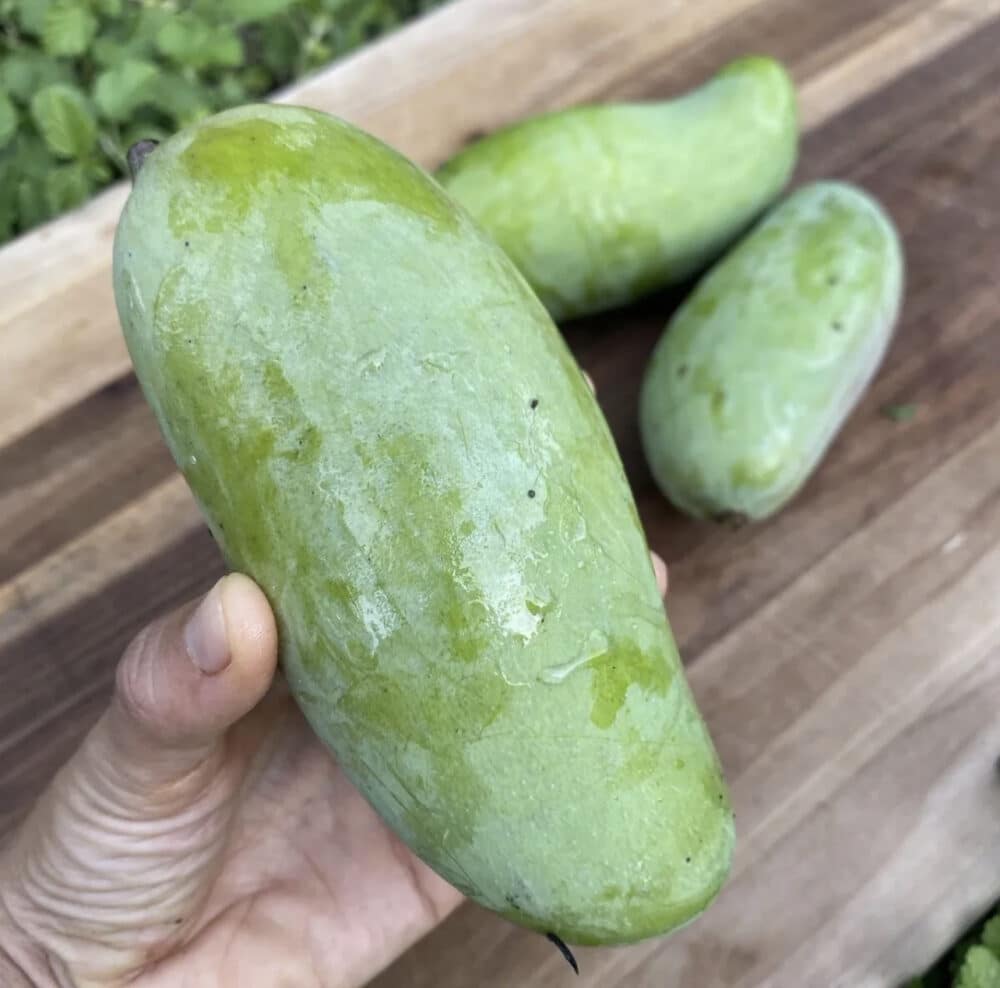
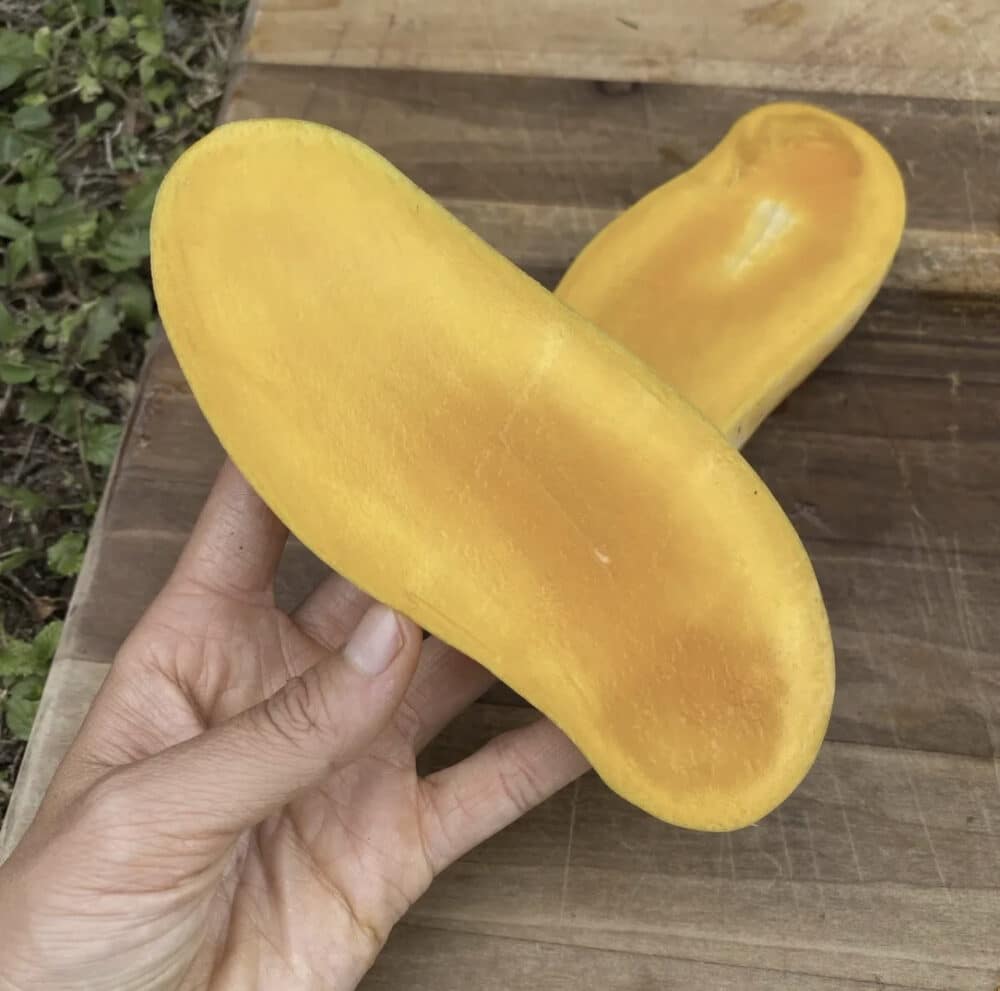
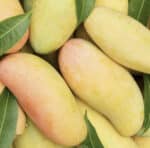
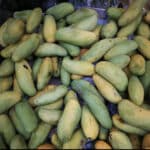
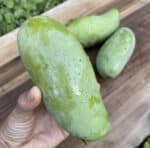
The fruit of the Mahachanok mango is easily recognizable for its long, slender, curved shape and vibrant, golden-yellow skin with an attractive reddish blush when exposed to the sun. Each fruit typically weighs between 12 to 16 ounces. The skin is thin and smooth, making it easy to peel when ripe. Inside, the flesh is fiberless, firm, and rich, offering a deep orange color and a sweet, floral flavor that’s often compared to a blend of mango, honey, and a touch of citrus. The flavor is consistent and well-balanced, appealing to both commercial growers and backyard enthusiasts.
One of the standout traits of the Mahachanok variety is its ability to produce high-quality fruit even in humid or rainy climates, which can often challenge other mango types. It is also known for its disease resistance, especially to anthracnose, a common fungal problem in tropical regions. The tree reliably produces fruit year after year and is considered one of the best-tasting mangoes available globally.
The Mahachanok mango thrives in tropical and subtropical climates and performs best in USDA hardiness zones 10 through 11. It prefers full sun exposure, with at least 6 to 8 hours of direct sunlight daily to support healthy flowering and fruiting. The tree should be planted in well-draining soil with a pH between 5.5 and 7.0. Slightly sandy or loamy soils enriched with organic matter are ideal.
Watering should be consistent, particularly during the flowering and fruiting season. While established trees are moderately drought-tolerant, regular deep watering helps support better fruit size and flavor. Overwatering or poor drainage should be avoided, as it may lead to root diseases. Young trees require more frequent watering until fully established.
Fertilizing the grafted Mahachanok mango tree should begin in early spring and continue through the growing season. Use a balanced fertilizer formulated for tropical fruit trees, or apply organic compost and well-aged manure to support growth and fruit development. Reduce fertilization in fall and winter when the tree is less active.
Pruning is recommended to shape the tree, remove any dead or crossing branches, and improve airflow and light penetration through the canopy. Pruning after harvest encourages new growth and helps maintain a productive structure. Mahachanok responds well to annual pruning and can be easily kept at a manageable height for easier harvesting and maintenance.
This variety is known for producing a consistent crop of fruit annually, typically ripening in late spring to summer depending on the climate. The fruit ripens gradually and stores well, making it a good option for both home consumption and small-scale sales.
Because it is a grafted tree, Mahachanok maintains the exact genetic traits of the parent plant. This means you can expect uniform fruit size, flavor, and production consistency from year to year. Grafted trees also begin producing much earlier than those grown from seed, which makes them a popular choice for home gardeners and small growers who want quicker results and predictable quality.
Mahachanok mangoes are best enjoyed fresh but can also be used in smoothies, desserts, fruit salads, and tropical drinks. The flavor holds up well in chilled applications, and the flesh is ideal for slicing or pureeing. With its firm, fiberless texture, it’s perfect for cutting into cubes or thin strips for presentation or snacking. It’s also excellent for drying, freezing, or incorporating into jams and chutneys.
This mango tree adds ornamental value to landscapes with its symmetrical shape, evergreen foliage, and colorful fruit. It’s ideal for planting in backyards, along fences, or as a centerpiece in a tropical garden. Because of its compact growth and early productivity, it’s also a great candidate for growing in large containers on patios or decks in warm climates.
In summary, the grafted Mahachanok mango tree is a top-tier tropical fruit variety that delivers in flavor, performance, and aesthetics. With its early fruiting, stunning appearance, disease resistance, and superior eating quality, it’s a favorite among gardeners, collectors, and tropical fruit enthusiasts. Whether planted in the ground or in a container, this tree offers reliable production of one of the best-tasting mangoes available today.
| Weight | 15 oz |
|---|---|
| Dimensions | 22 × 4 × 4 in |
| Planting Bag + Soil |
Planting bag + Soil ,I have soil and container |
Related products
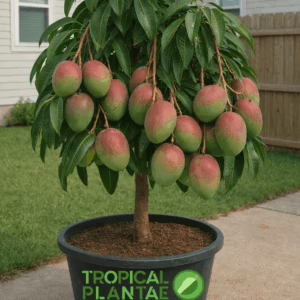
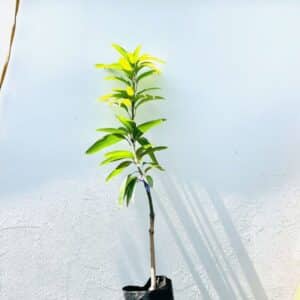
Grafted Kent Mango Tree – Live Tropical Fruit Tree – Premium Variety – USDA Certified


Cacao forastero (Theobroma cacao) tropical live fruit tree 2’-3’
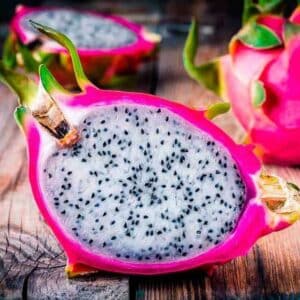
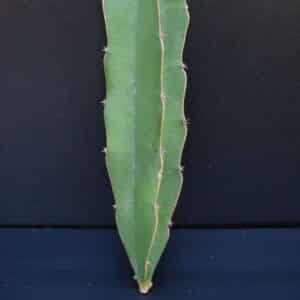
Exotic Pitahaya Cactus Live Plant
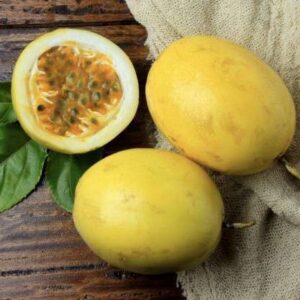
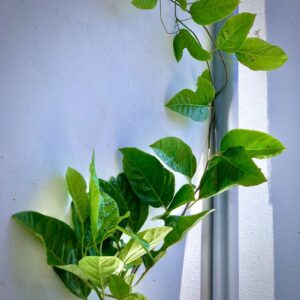
Passion fruit live fruit plant 1’-2’


Grafted Avocado Long Neck live big fruit tree 12″-24″


Lychee (Litchi chinensis) tropical live fruit tree large rooted cutting 12”-24”


Star Apple (Chrysophyllum cainito) tropical fruit tree 2′-3′
