
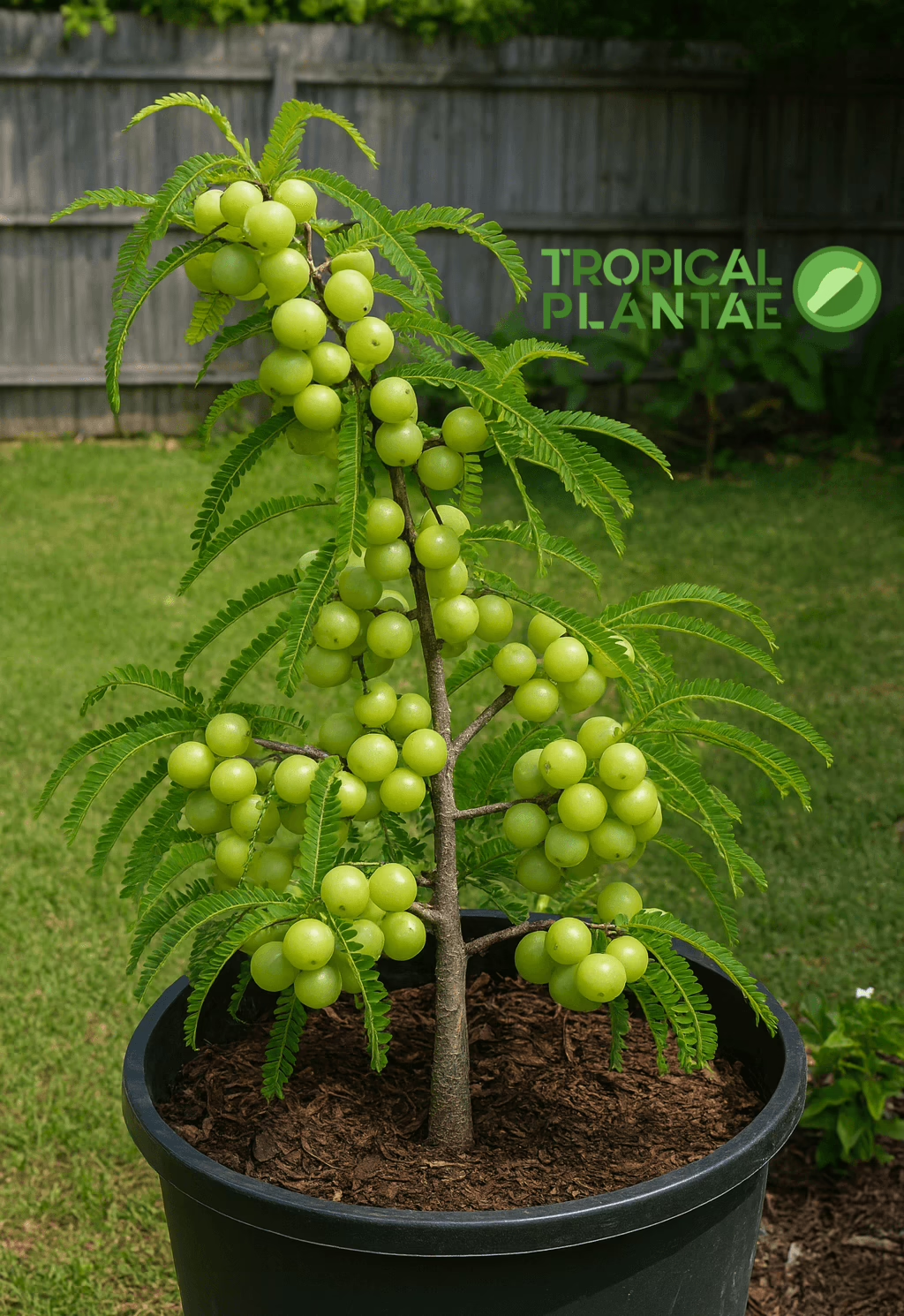
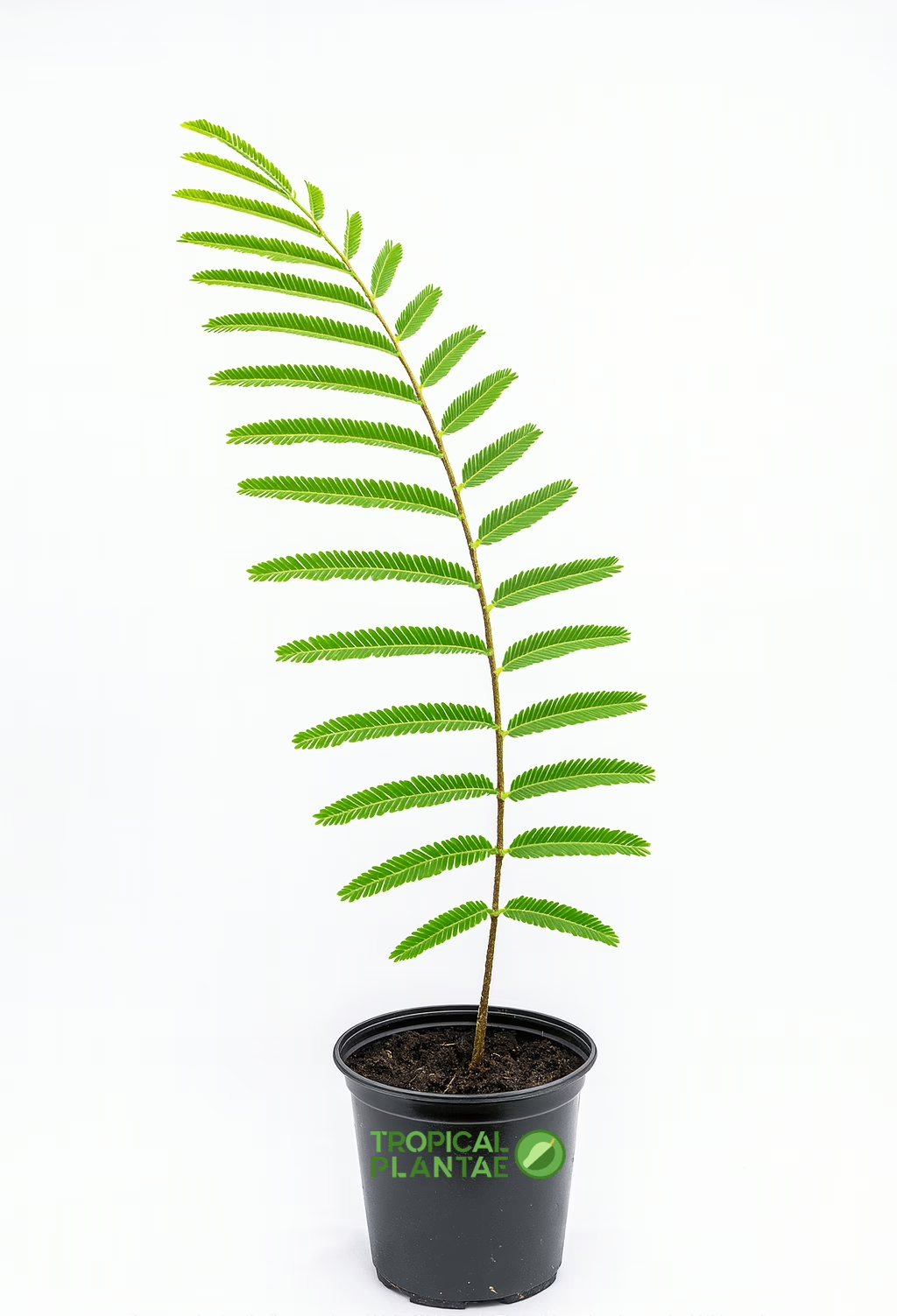
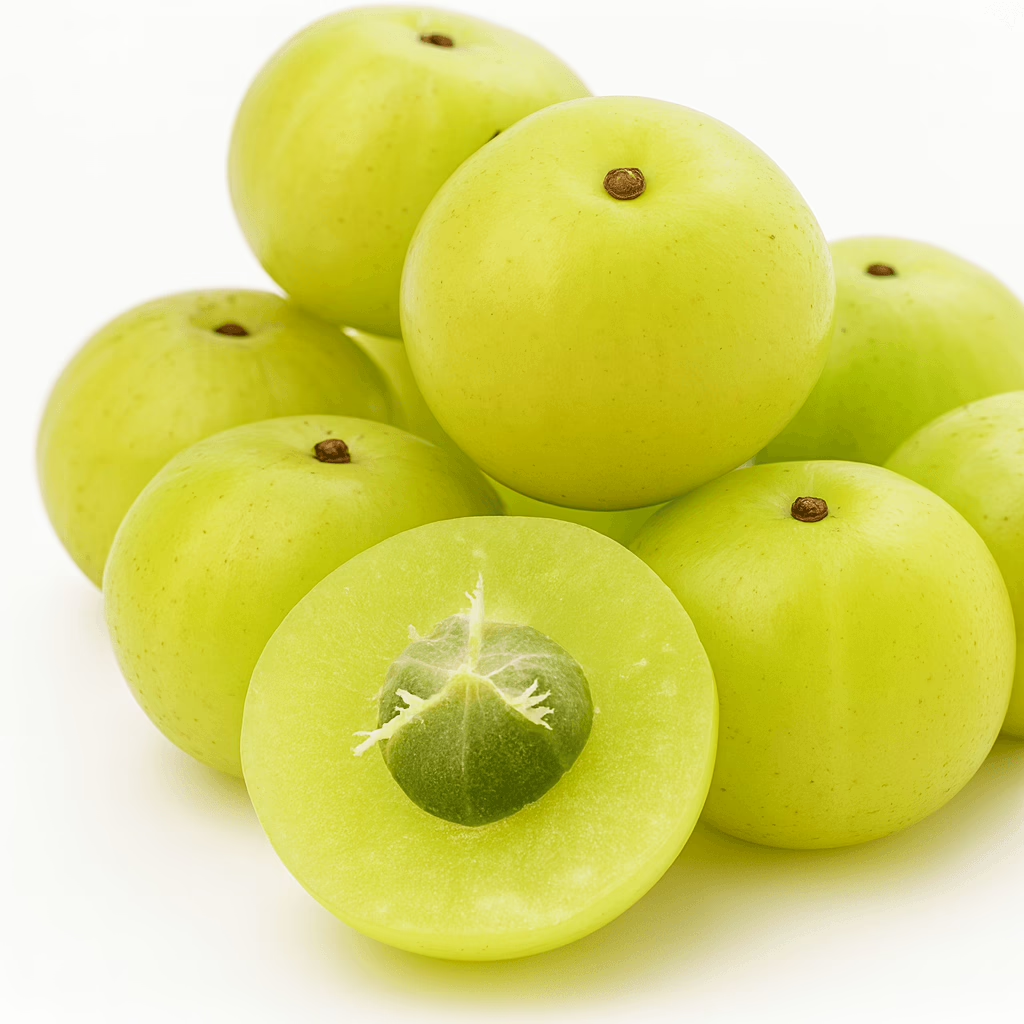

Indian gooseberry / amla (Emblica officinalis) live tropical fruit tree
Original price was: $80.00.$44.99Current price is: $44.99.
Indian gooseberry / Amla tree, Emblica officinalis, Indian gooseberry, tropical fruit tree, drought tolerant fruit tree, evergreen fruit plant, warm climate orchard tree, exotic fruit tree, productive tropical tree, home garden fruit tree, backyard orchard plant, hardy fruit tree, subtropical fruit species, crisp tart fruit, easy care fruit tree
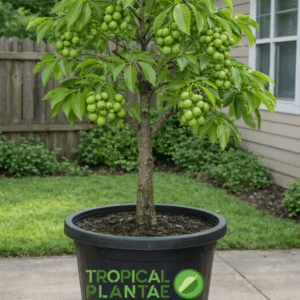
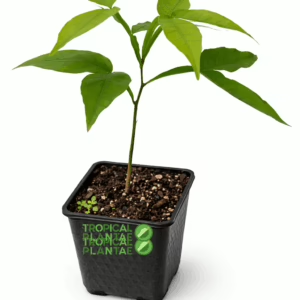
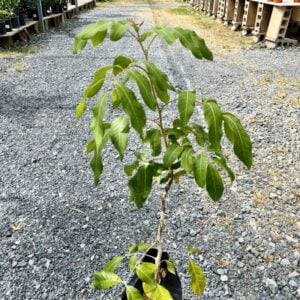
Indian gooseberry , scientifically known as Emblica officinalis or Phyllanthus emblica, is a tropical fruit tree valued for its small green fruits, evergreen foliage, and adaptability to warm climates. Commonly called Indian gooseberry, this tree has been cultivated across South Asia for centuries and is now grown in tropical and subtropical regions around the world. The tree is known for its reliability, its high fruit production, and its ability to thrive with minimal care once established. Amla is often chosen for home gardens, orchards, and agroforestry systems because it is long-lived, drought tolerant, and productive.
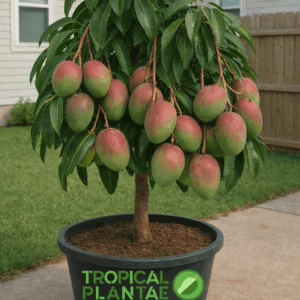
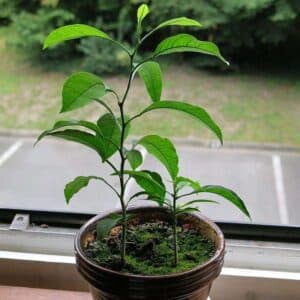
The amla tree is medium-sized and typically grows between 20 and 35 feet tall. It forms a rounded or slightly irregular canopy with dense branches. The foliage is fine and feathery, made up of many small, narrow leaflets that give the tree a soft, delicate appearance. Amla is deciduous to semi-evergreen depending on climate, losing some foliage in cooler or dry seasons but quickly producing fresh new leaves as conditions improve.
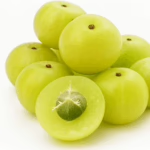
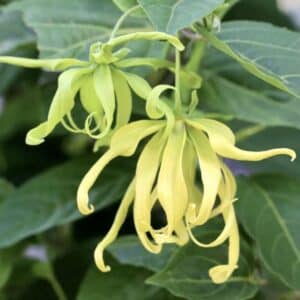
During the flowering season, the tree produces small, pale green to yellow flowers in clusters along the stems. These flowers are inconspicuous but play an important role in fruit formation. After pollination, the fruit develops into small, round, light green berries about 1 inch in diameter. The skin is smooth and firm, and the interior contains a crisp, fleshy structure with a central seed. The fruit has a distinctive tart flavor and is commonly used fresh, dried, in juices, in cooking, and in preserved forms.
Amla thrives in warm climates and is suited for USDA hardiness zones 9 through 11. It requires full sun to produce abundant fruit and grows well in a variety of soils including sandy, loamy, and slightly rocky soils. The tree prefers well-draining ground and can tolerate both slightly acidic and slightly alkaline conditions. Once established, amla is highly drought tolerant thanks to its deep root system, making it a good option for areas with seasonal dry periods.
Watering is important during the first few years of growth. Young trees benefit from regular watering until their roots develop fully. Mature trees require much less water but will produce better fruit with occasional deep watering during flowering and fruit development. Overwatering should be avoided to prevent root issues. Applying mulch around the base of the tree helps maintain soil moisture and reduce weed competition.
Fertilizing helps support strong growth and increase fruit yield. A balanced fertilizer applied during spring and summer is beneficial. Organic compost or well-aged manure can also be added annually to improve soil structure. Amla trees do not require heavy feeding and perform well with moderate nutrient levels.
Pruning the tree is recommended to maintain a strong structure and improve airflow within the canopy. Removing dead or crossing branches helps reduce disease risk and encourages healthier growth. Shaping the tree when young helps produce a more uniform canopy and easier harvest access later.
Amla trees are generally hardy and resistant to most pests and diseases.
Propagation is commonly done from seed, although seed-grown trees may take longer to bear fruit, often 5 to 7 years. Air-layering or grafting is preferred for more predictable fruiting and earlier production, often within 3 to 4 years. Grafted trees also maintain the exact characteristics of the parent variety, ensuring consistent fruit quality.
Amla fruit is valued for its crisp texture and refreshing, tart flavor. It can be eaten fresh, added to smoothies, used in cooking, or dried for long-term use. Many people incorporate amla into chutneys, pickles, candies, and fruit preserves. The fruit remains firm even when ripe, making it easy to slice, juice, or cook. It is also rich in vitamin C and fiber.
In landscaping, the amla tree is appreciated for its attractive shape and fine-textured foliage. It works well as a standalone specimen, in mixed tropical gardens, or in rows along property lines. It is a good choice for those seeking low-maintenance fruit trees with long-term productivity. Its ability to tolerate heat, wind, and dry conditions makes it useful in a variety of environments.
In summary, Emblica officinalis is a durable and productive tropical fruit tree that offers crisp, tart fruit and attractive foliage. With full sun, well-draining soil, occasional watering, and light fertilization, it grows into a strong, reliable tree suitable for home orchards and tropical landscapes. The amla tree is an excellent choice for gardeners looking for a resilient and long-lived fruit tree that produces consistently year after year.
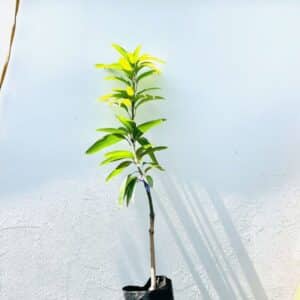
| Weight | 15 oz |
|---|---|
| Dimensions | 22 × 4 × 4 in |
| Planting Bag + Soil |
Planting bag + Soil ,I have soil and container |




Reviews
There are no reviews yet.