
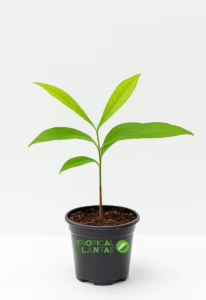
Abiu Tree ( Pouteria caimito ) Live Tropical Fruit Tree – Healthy Young Plant – USDA Certified
Original price was: $75.00.$49.99Current price is: $49.99.
The Abiu tree, scientifically known as Pouteria caimito, is a unique tropical fruit tree that offers a future filled with beauty, satisfaction, and natural abundance. Planting an abiu tree today means that tomorrow you begin a journey that brings purpose and excitement into your outdoor space. This is not just a tree you plant and forget; it is a living addition that grows with you and gradually transforms your garden into a richer, more rewarding environment.
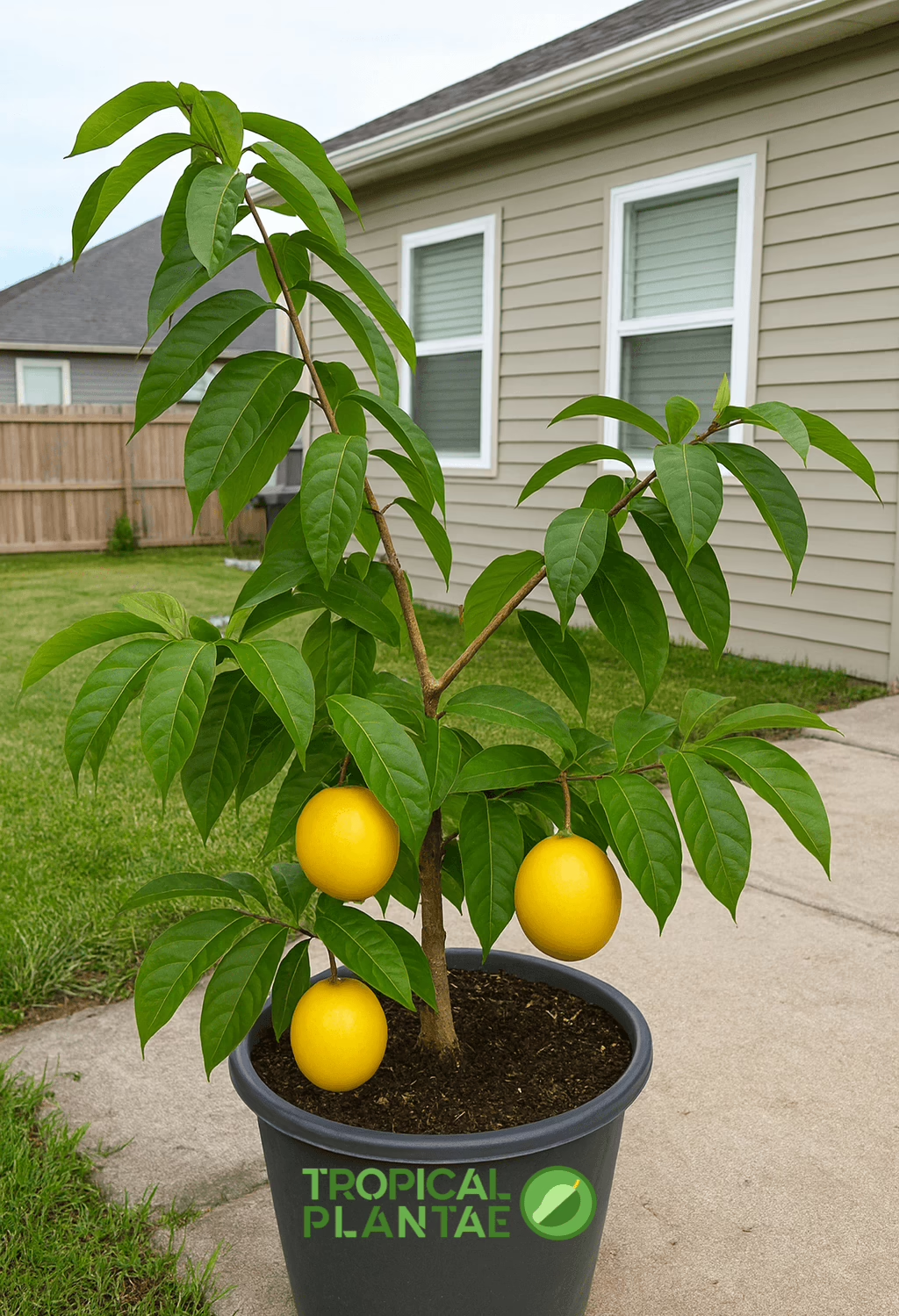
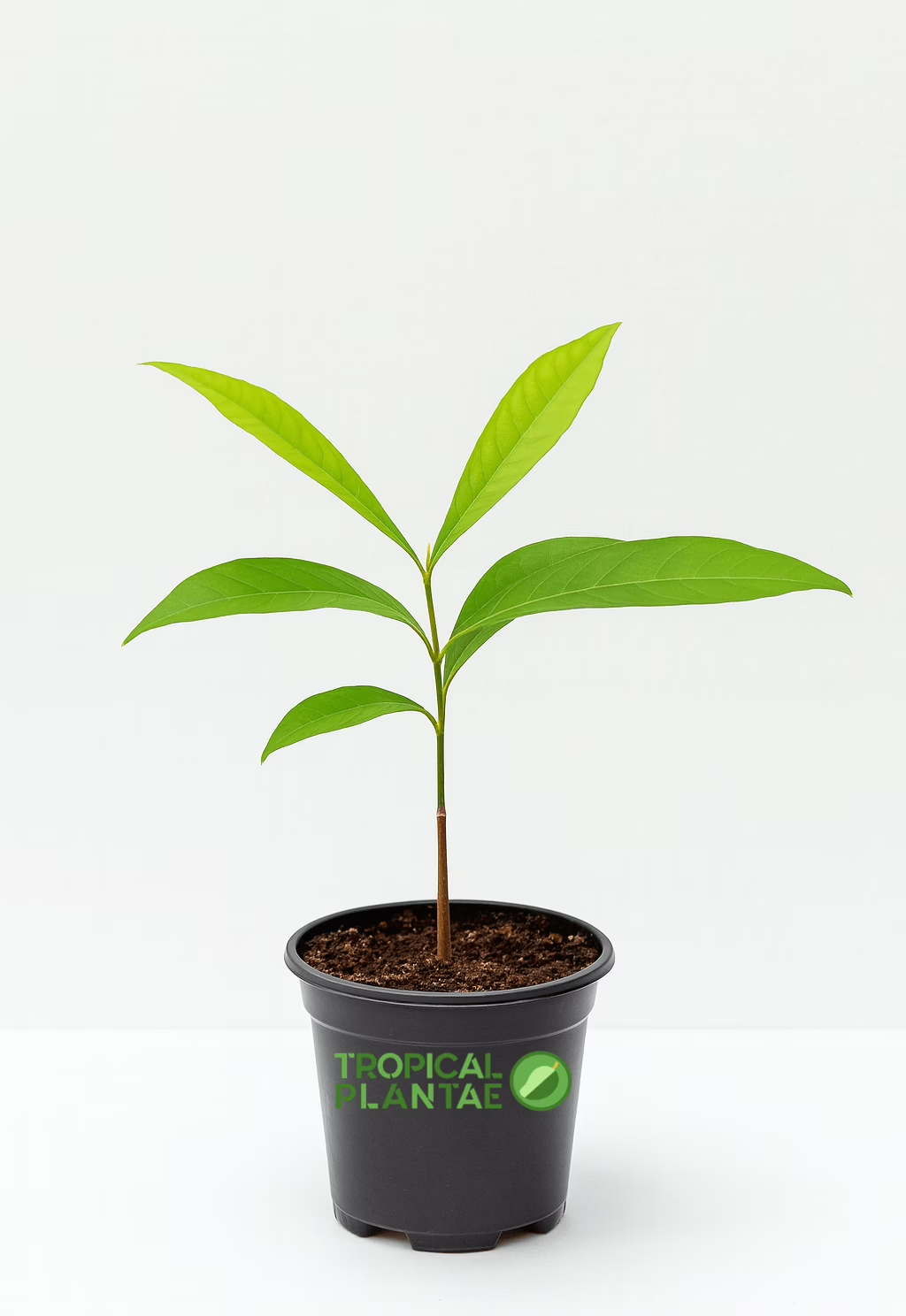
From the first day it is planted, the abiu tree enhances your surroundings with its glossy, deep green leaves and upright growth. Tomorrow, when you step outside, you will notice how it settles into its new home and immediately adds a tropical presence that makes your garden feel more vibrant and complete. Even at a young stage, the tree brings freshness and life, creating a space you enjoy looking at and spending time around.
As the tree matures, it develops into a strong and attractive evergreen with a balanced canopy that adds structure and elegance to your landscape. Watching the abiu tree grow becomes part of your routine, offering small moments of satisfaction as you see new leaves appear and branches strengthen. These daily observations turn into a sense of progress and accomplishment, reminding you that what you plant today continues to improve your space over time.
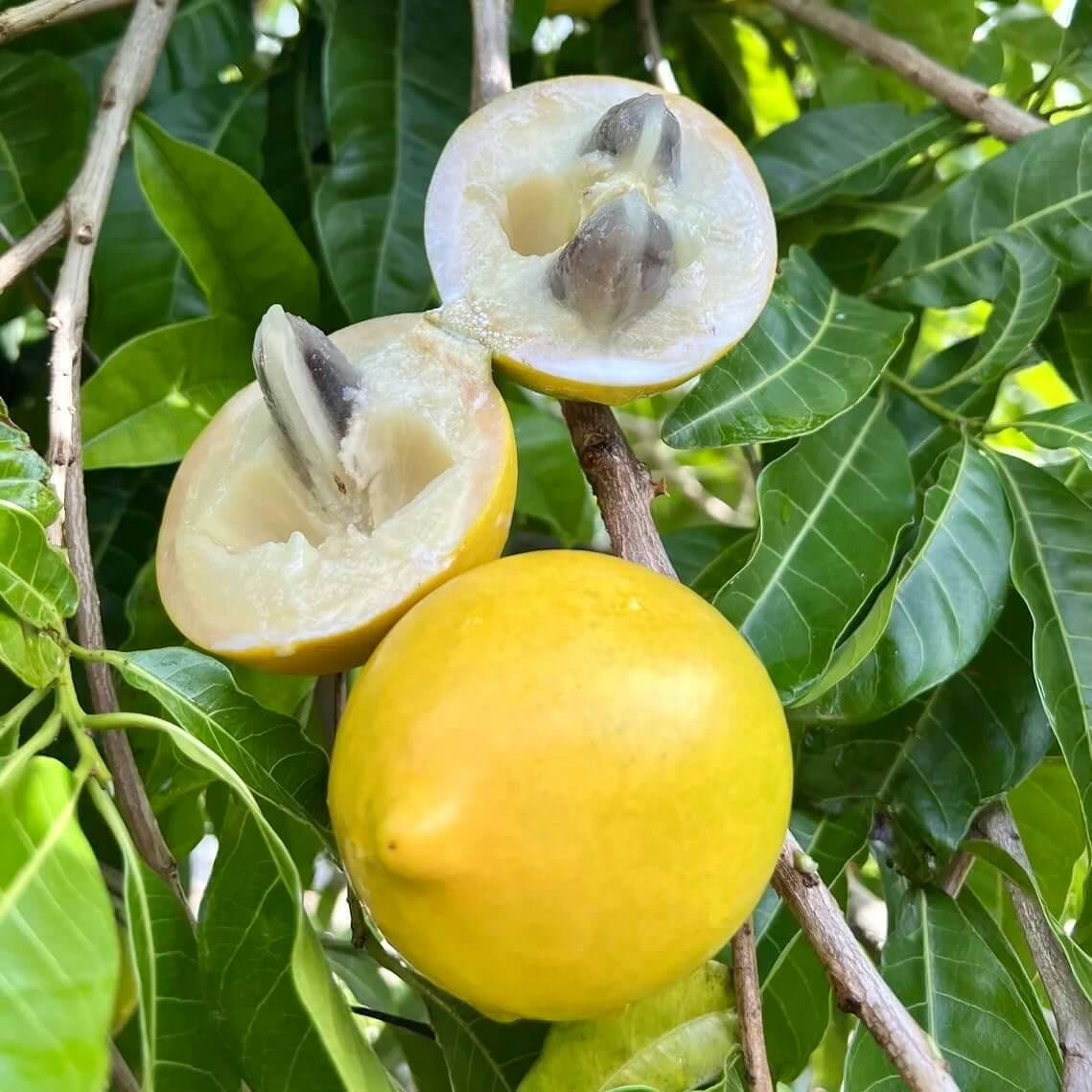
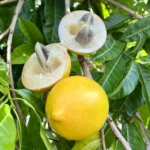
The true reward of the abiu tree arrives in the future, when it begins producing its distinctive golden-yellow fruit. Abiu fruit is known for its smooth, creamy texture and gently sweet flavor that feels indulgent yet refreshing. Planting the tree now means that one day you will step outside and harvest fruit grown by your own care. That moment brings a special sense of pride and fulfillment, turning ordinary days into meaningful experiences. The fruit becomes something you enjoy slowly, share with others, and appreciate more deeply because it came from your own garden.
Beyond the fruit itself, the abiu tree adds long-term value to your home. Its evergreen foliage keeps your outdoor space looking lush throughout the year, and its steady growth creates shade and visual balance over time. Tomorrow, the tree is a young plant full of potential. In the coming seasons, it becomes a defining feature of your garden, contributing to a peaceful and inviting atmosphere that makes your outdoor space more enjoyable.
The abiu tree thrives in warm, sunny climates and responds well to regular care during its early years. With proper sunlight, well-draining soil, and consistent watering while young, the tree grows steadily and becomes more resilient as it matures. Tomorrow begins the habit of caring for something that rewards you with visible growth. Each year, the tree becomes stronger, more established, and more impressive.
Owning an abiu tree also brings a deeper connection to nature. Watching the changes in leaf color, growth patterns, and seasonal development encourages patience and appreciation for steady progress. The tree becomes part of your home’s story, growing alongside your space and creating memories tied to its development. It is a reminder that meaningful results often come from simple, consistent care.
In summary, planting an Abiu tree (Pouteria caimito) is an investment in a future filled with beauty, enjoyment, and personal satisfaction. Tomorrow you gain a living presence that enhances your garden. Over time, you gain an elegant tree and the reward of harvesting creamy, golden fruit from your own yard. This tree adds purpose, value, and lasting joy to your outdoor space, making it a meaningful addition to any tropical or subtropical garden.
1 review for Abiu Tree ( Pouteria caimito ) Live Tropical Fruit Tree – Healthy Young Plant – USDA Certified
Related products


SOURSOP (ANNONA MURICATA) Tropical fruit tree 12″-24″

Grafted Mango Pineapple Live fruit Tree 3’-4’
AVOCADO HASS FRUIT TREE (Persea americana)
Passion fruit live fruit plant 1’-2’


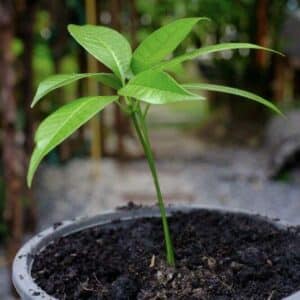
Kris –
Item came in good shape thank!