
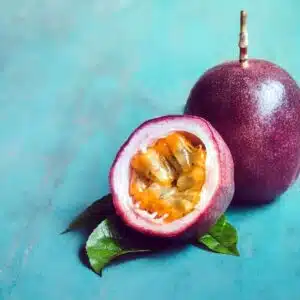
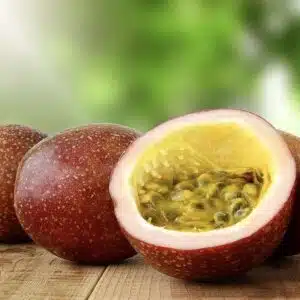
Purple Passion fruit (Passiflora edulis) fruit live plant 10″ -12″ Exquisite
The name "passion fruit" is believed to originate from Spanish missionaries in South America who thought the flower's intricate structure resembled religious symbols. The central part of the flower, called the "corona," was thought to represent the crown of thorns, while the radiating petals symbolized the apostles. The vine's tendrils were seen as a reminder of the whips used during the Passion of Christ.
This association with religious symbolism led to the name "passion flower" and eventually "passion fruit" for the fruit produced by the vine. So, every time you enjoy the delicious flavor of Red Passion Fruit, you're not just savoring a tropical delicacy but also a piece of botanical history with ties to religious imagery.


Grumichama or Brazilian Cherry (Eugenia brasiliensis) tropical livefruit tree 1′-2′ feet
Grumichama, is a charming and rewarding tropical fruit tree. Its sweet, cherry-like fruit, lush foliage, and adaptability make it a favorite among gardeners and fruit enthusiasts. With proper care, including regular watering, fertilizing, and pest management, the tree will thrive and provide bountiful harvests for years to come. Whether grown for its fruit or ornamental appeal, the Grumichama is a valuable addition to any tropical or subtropical garden.
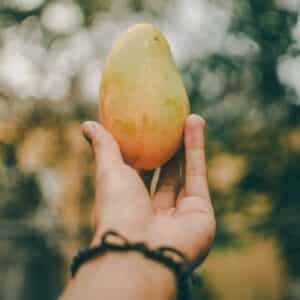
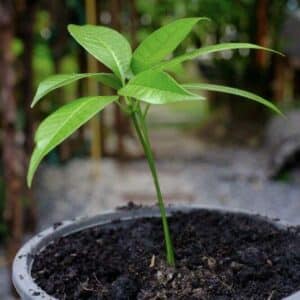
Mango Pineapple (Mangifera) live tree fruit tree 1’-2’
The Mango Pineapple, also known as Mangifera indica, is a tropical fruit tree that is a hybrid between mango and pineapple. This unique fruit tree produces fruit that combines the sweet, juicy flavor of mango with the tangy, tropical taste of pineapple. In this description, we will discuss how to plant and care for Mango Pineapple trees, and some of the benefits they can provide.
An interesting fact about Mango Pineapple trees is that they are not actually a true hybrid of mango and pineapple, but rather a variety of mango that has a distinct pineapple-like flavor. The fruit has a golden-yellow flesh and a unique aroma that combines the sweet, juicy flavor of mango with the tangy, tropical taste of pineapple. Despite its name, the Mango Pineapple is not a cross between a mango and a pineapple, but rather a mango variety that has developed this unique flavor profile over time. Mango Pineapple trees are also relatively rare and difficult to find, making them a special and sought-after addition to any tropical fruit collection.
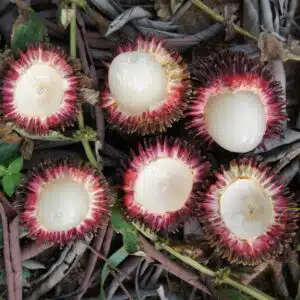
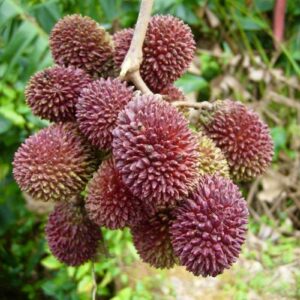
Pulasan (Nephelium ramboutan-ake) Exotic fruit tree 12″-24″
Pulasan (Nephelium ramboutan-ake) is a tropical fruit closely related to the rambutan and lychee, known for its juicy, sweet, and aromatic fruit. Native to Malaysia and parts of Southeast Asia, pulasan has gained popularity for its unique appearance and delectable flavor, making it a prized fruit in tropical regions. The tree, which produces clusters of round, hairy-skinned fruit, is commonly grown in home gardens, small orchards, and agroforestry systems due to its beauty, productivity, and delicious fruit.
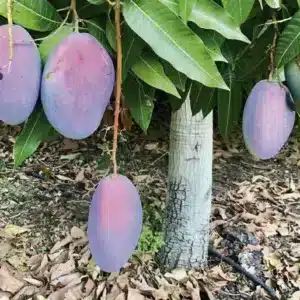
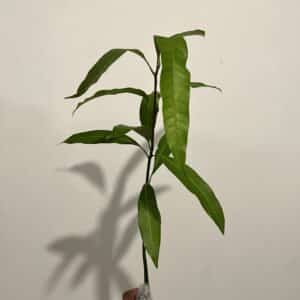
Mango Palmer ( manglifera ) tropical live fruit tree 1′- 2′ feet
Mango Palmer seedlings are grown from seeds of the Palmer mango variety, a well-known and prized mango cultivar that originated in Florida. The Palmer mango is cherished for its large size, vibrant color, and rich, sweet flavor. Although seedlings do not always produce fruit identical to the parent plant, the Palmer variety is often propagated this way in tropical and subtropical regions.
The Mango Palmer seedling tree can grow to a height of 15 to 30 feet, depending on the growing conditions and care it receives. Like other mango trees, it has a dense, upright growth habit with large, lance-shaped, glossy green leaves. Palmer mango seedlings are fast-growing and can establish themselves quickly in warm climates with the right care.
The fruit of the Palmer mango, once the seedling matures, is typically medium to large, with an elongated oval shape. The skin is smooth and turns from green to yellow-orange with a pinkish-red blush as it ripens. The flesh inside is juicy, with a deep orange color and a rich, sweet flavor, often with a mild tanginess. The flesh is generally fiberless or has minimal fibers, making it a popular choice for fresh consumption and culinary uses like smoothies, salads, and desserts.

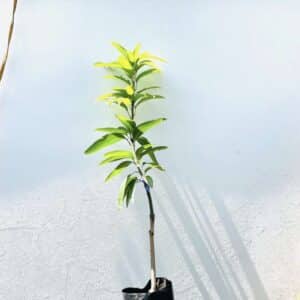
Big Grafted mango (mangifera) tropical live fruit tree 3’-4’ mallika
Introducing the Mango Mallika Fruit Tree: An Exquisite Addition to Your Garden
Imagine the pride and satisfaction of plucking sun-kissed, juicy mangoes straight from your very own garden. The Mango Mallika fruit tree (Mangifera indica 'Mallika') is a must-have for any gardening enthusiast with a taste for exotic, delectable fruit. The Mallika variety is renowned for its delightful flavor, boasting a perfect balance of sweetness and acidity, and an irresistible, melt-in-your-mouth texture. As a bonus, this variety is less prone to disease and pests, making it an ideal choice for home gardeners.


Otaheite gooseberry (Phyllanthus acidus) tropical live fruit tree 1’-2’
Otaheite gooseberry, scientifically known as Phyllanthus acidus, is a small tropical fruit tree that offers a burst of tartness and a touch of sweetness. This delightful fruit, characterized by its unique flavor and bright green color, invites you to explore its tangy taste and the potential health benefits it provides.
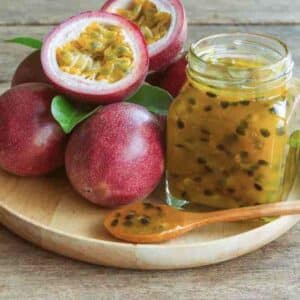
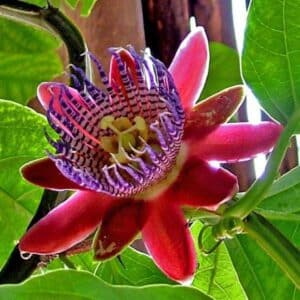
Red passion fruit (Passiflora edulis) fruit live plant 1’-2’
It is not only prized for its delightful taste and nutritional benefits but is also known as a natural sedative. Some people believe that consuming Red Passion Fruit before bedtime can help improve sleep quality due to its calming and anxiety-reducing properties. This makes it a tasty and soothing bedtime snack that may assist in promoting restful sleep.
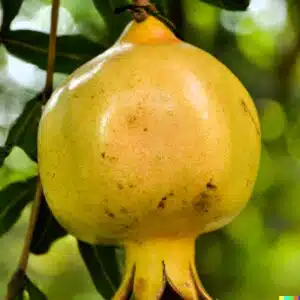
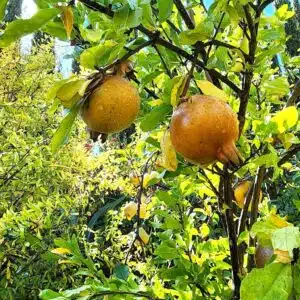
White Pomegranate Tree (Punica granatum) live fruit tree 1′ – 2′ feet tall
White Pomegranate, a unique variety of the classic pomegranate, is known for its light-colored arils (the juicy seeds inside the fruit) and milder, sweeter flavor. Scientifically classified as Punica granatum, this variety stands out for its creamy or pale yellow skin and nearly translucent arils, which offer a refreshing and subtle sweetness with lower acidity than traditional red pomegranates. Originating in parts of the Middle East and Asia, the white pomegranate has become popular in many warm climates for its delicious fruit, health benefits, and ornamental appeal in the garden.
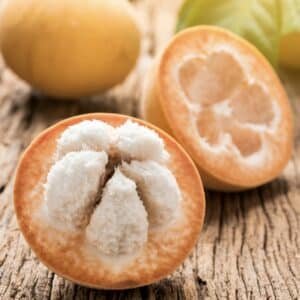
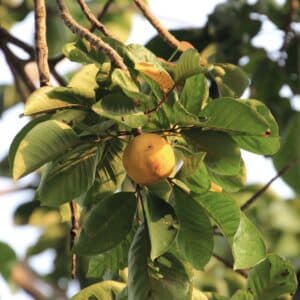
Wild Mangosteen ( Sandoricum koetjape) live fruit tree live plant 1’-2’
Wild Mangosteen , scientifically known as Sandoricum koetjape, is a tropical fruit native to Southeast Asia, particularly the Philippines, Thailand, and Malaysia. Also known as the “wild mangosteen” or “cotton fruit,” the Santol is widely grown for its sweet and sour flavor and its versatility in cooking. The fruit is consumed fresh or used in various culinary applications, especially in Southeast Asian cuisine.
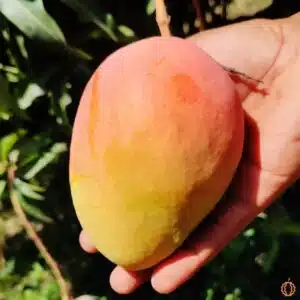
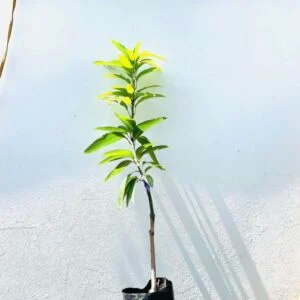
Grafted mango ( mangifera) tropical fruit tree Edward 3’-4’ tall
Edward mangoes are prized for their exceptional sweetness, rich flavor, and smooth texture. They are a popular choice for fresh consumption, juicing, and culinary uses due to their delightful taste and minimal fiber content. Whether enjoyed on its own or incorporated into various dishes, Edward mangoes are a delicious and versatile tropical fruit variety.
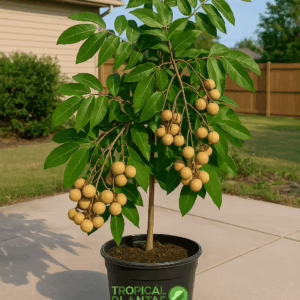
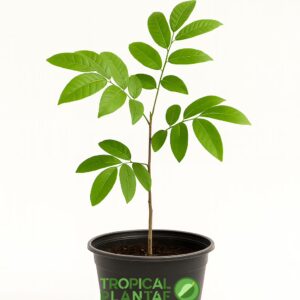
Longan (Dimocarpus longan) tropical live fruit tree 12″-24″
The longan tree, scientifically known as Dimocarpus longan, is a tropical fruit tree celebrated for its sweet, aromatic fruit and attractive evergreen foliage. Closely related to lychee and rambutan, the longan is widely grown throughout Southeast Asia, the Caribbean, and warm regions of the United States. This tree is known for producing clusters of round, golden-brown fruit with translucent flesh and a delightful musky-sweet flavor. Its reliable fruiting, manageable size, and ornamental value make it a popular choice for home gardens and small tropical orchards.