


Custard Apple (annona squamosa) Tropical Fruit Tree 10”-20”
The Custard Apple, also known as Annona reticulata, is a tropical fruit tree that produces a unique and delicious fruit with a creamy, custard-like texture. The tree is relatively easy to grow and care for, making it a great addition to any garden or orchard. In this description, we will discuss how to plant and care for Custard Apple trees, and some of the benefits they can provide.
An interesting fact about Custard Apple is that it has been used for centuries in traditional medicine to treat a variety of ailments. The fruit, leaves, and seeds of the Custard Apple tree contain a range of compounds that have been shown to have anti-inflammatory, anti-cancer, and anti-diabetic properties. The leaves of the tree have been used to treat fever, diarrhea, and dysentery, while the seeds have been used to treat parasitic infections and hypertension. In addition to its medicinal uses, Custard Apple is also used in various cultural practices around the world. In some parts of South America, for example, it is believed that the fruit has the power to bring good luck and ward off evil spirits. These traditional uses and beliefs highlight the important role that Custard Apple has played in human culture for thousands of years.
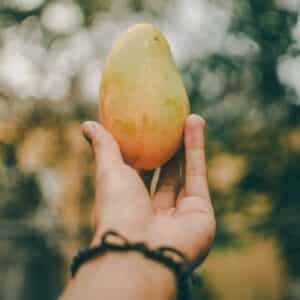
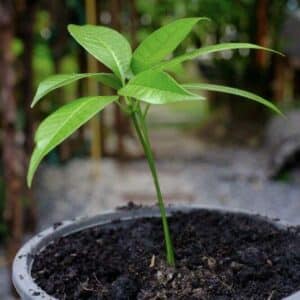
Mango Pineapple (Mangifera) live tree fruit tree 1’-2’
The Mango Pineapple, also known as Mangifera indica, is a tropical fruit tree that is a hybrid between mango and pineapple. This unique fruit tree produces fruit that combines the sweet, juicy flavor of mango with the tangy, tropical taste of pineapple. In this description, we will discuss how to plant and care for Mango Pineapple trees, and some of the benefits they can provide.
An interesting fact about Mango Pineapple trees is that they are not actually a true hybrid of mango and pineapple, but rather a variety of mango that has a distinct pineapple-like flavor. The fruit has a golden-yellow flesh and a unique aroma that combines the sweet, juicy flavor of mango with the tangy, tropical taste of pineapple. Despite its name, the Mango Pineapple is not a cross between a mango and a pineapple, but rather a mango variety that has developed this unique flavor profile over time. Mango Pineapple trees are also relatively rare and difficult to find, making them a special and sought-after addition to any tropical fruit collection.
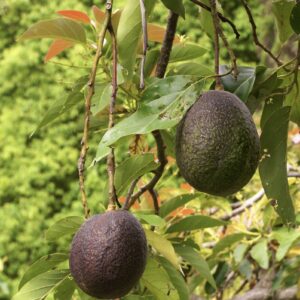

Grafted HASS Avocado (Persea americana) tropical live fruit tree 12”-24”
Hass Avocado Tree - A Bounty of Creamy Delights
The Hass Avocado, celebrated for its rich, creamy fruits, offers not only culinary versatility but also the joy of nurturing a thriving fruit tree.
Interesting Fact
One captivating fact about the Hass Avocado is that it's the most widely cultivated avocado variety globally. It owes its name to Rudolph Hass, a California postman who first discovered and propagated this exceptional avocado in the 1920s. Renowned for its creamy texture and rich, nutty flavor, the Hass Avocado has become a favorite ingredient in salads, guacamole, sandwiches, and various culinary creations.
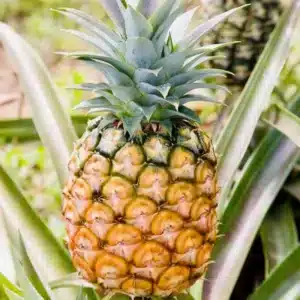
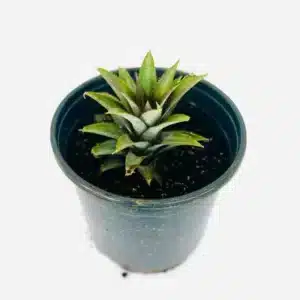
Pineapple (Ananas comosus ) tropical fruit live plant Sweet Delicious Juicy 1′ – 2′
The pineapple plant, also known as Ananas comosus, is a tropical fruit that is popular around the world for its sweet, tangy taste and numerous health benefits. Pineapple plants are relatively easy to grow and care for, making them a great addition to any home garden. In this description, we will discuss how to plant and care for a pineapple plant, as well as some of its uses.
An interesting fact about pineapple plants is that they are actually composed of many individual flowers that have fused together around a central core. Each segment of the pineapple fruit is actually a separate flower, and the entire fruit can take up to two years to fully mature. Additionally, pineapples were considered a luxury item in Europe and the United States during the 1700s and 1800s, and were often displayed at dinner parties as a symbol of wealth and hospitality. Today, pineapple is one of the most popular tropical fruits in the world, and is enjoyed by millions of people every day.
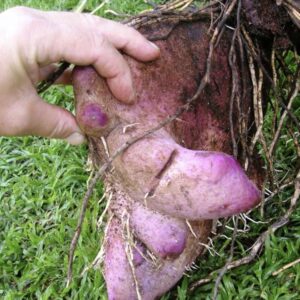
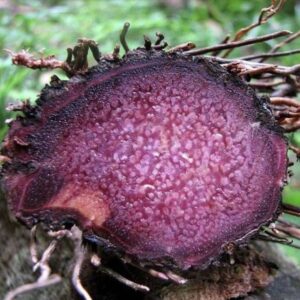
Purple Lesser yam Ñame (Dioscorea alata) plant
Dioscorea alata, also known as purple yam, is a perennial vine that is native to Asia, but is now grown in many tropical regions around the world. It is a valuable crop plant, known for its large, starchy tubers that are a staple food in many cultures. In this description, we will discuss how to plant and care for Dioscorea alata, and some of the benefits it can provide.
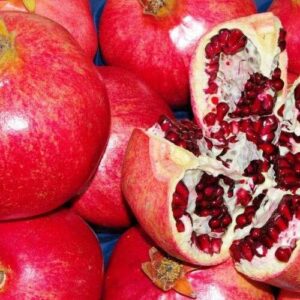

Pomegranate Live Tropical fruit Tree 12”-24”
Pomegranate is a fruit tree that is known for its striking appearance, with bright red fruit encasing juicy, ruby-colored seeds. The pomegranate tree is a drought-resistant plant that can grow up to 30 feet tall and wide, and can live for up to 200 years. In this description, we will discuss how to plant and care for a pomegranate tree, and some of the benefits it can provide. An interesting fact about pomegranates is that they have been revered throughout history for their medicinal properties. In ancient times, pomegranates were believed to have healing powers and were used to treat a variety of ailments, including infections, diarrhea, and even infertility. Modern research has shown that pomegranates are indeed a rich source of antioxidants and anti-inflammatory compounds, which may help to protect against chronic diseases such as heart disease and cancer. The juice of the pomegranate fruit has also been found to have antibacterial and antiviral properties, making it a valuable addition to a healthy diet.


Pomegranate Tree – Live Fruit Tree – Hardy Outdoor Plant – USDA Certified
The pomegranate tree is a timeless addition to any garden, offering beauty, character, and a sense of long-term reward from the moment it is planted. Choosing a pomegranate tree today means that tomorrow you already begin shaping a space that feels more vibrant, purposeful, and alive. This tree is not only admired for its striking fruit but also for the way it transforms an outdoor environment into something more complete and enjoyable.

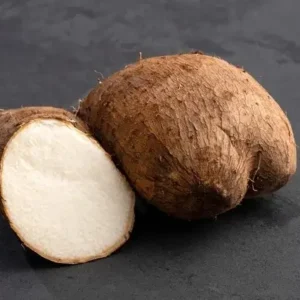
Lesser yam Ñame (Dioscorea alata) plant
Dioscorea alata, also known as purple yam, is a perennial vine that is native to Asia, but is now grown in many tropical regions around the world. It is a valuable crop plant, known for its large, starchy tubers that are a staple food in many cultures. In this description, we will discuss how to plant and care for Dioscorea alata, and some of the benefits it can provide.