
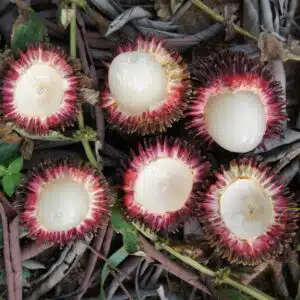
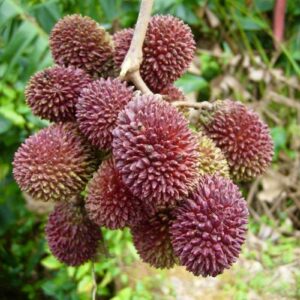
Pulasan (Nephelium ramboutan-ake) Exotic fruit tree 12″-24″
Pulasan (Nephelium ramboutan-ake) is a tropical fruit closely related to the rambutan and lychee, known for its juicy, sweet, and aromatic fruit. Native to Malaysia and parts of Southeast Asia, pulasan has gained popularity for its unique appearance and delectable flavor, making it a prized fruit in tropical regions. The tree, which produces clusters of round, hairy-skinned fruit, is commonly grown in home gardens, small orchards, and agroforestry systems due to its beauty, productivity, and delicious fruit.
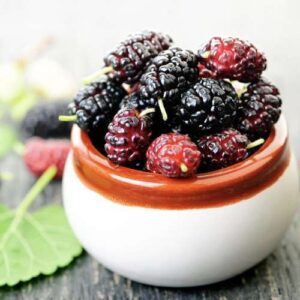
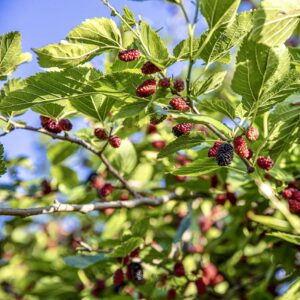
Mulberry (Morus) tropical fruit tree 1’-2’
Mulberry, scientifically known as Morus, is a deciduous tree cherished for its sweet and juicy fruit, as well as its leaves that serve as essential food for silkworms. This remarkable tree, celebrated for its versatile uses, invites you to explore its succulent berries, nutritional benefits, and the historical significance it holds.
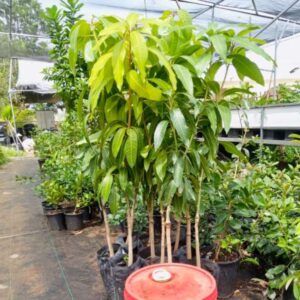
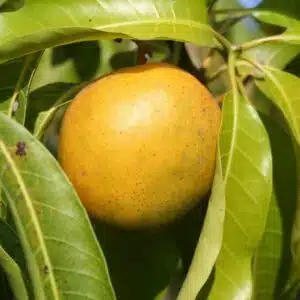
Grafted ‘ Cubano’ Mango tropical Big fruit tree 3′-4′ feet tall
The grafted Mango Cubano variety is a highly sought-after mango known for its sweet and aromatic flavor, making it a favorite among mango enthusiasts. This tropical fruit tree, when grafted, ensures consistency in fruit quality and disease resistance, providing a reliable and productive mango tree for home gardeners and commercial growers alike.
The Mango Cubano tree typically grows to a height of 30 to 40 feet with a dense, spreading canopy. The tree has an upright growth habit and features large, glossy, dark green leaves that add to its lush appearance. Grafting this variety involves joining the stem of a selected Mango Cubano cultivar (the scion) onto the rootstock of another mango tree, ensuring the best traits are passed on.


Star Apple ( Chrysophyllum cainito) Caimito tropical live fruit tree 1′ – 2′
Indulge in the Sweetness of Star Apple Trees: Nature's Candy at Your Fingertips
Get ready to tantalize your taste buds with the luscious star apple tree, now available for online purchase! The star apple, scientifically known as Chrysophyllum cainito, is a tropical delight that brings the flavors of paradise right to your doorstep. With its delectable fruit, glossy leaves, and striking appearance, the star apple tree is a must-have for any garden, promising not just a visual spectacle but also a burst of sweet, exotic flavor.
One Fascinating Fact: A Natural Source of Latex
One intriguing aspect of the star apple tree is its latex content. When the bark is cut, it exudes a milky latex substance that has been used traditionally for various purposes, including as a natural adhesive. While not as widely known as other latex-producing trees, this unique characteristic adds to the star apple's remarkable qualities, making it even more intriguing.
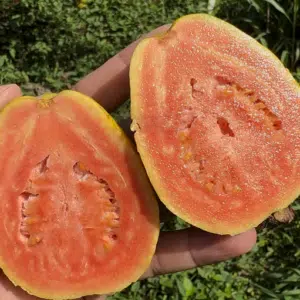
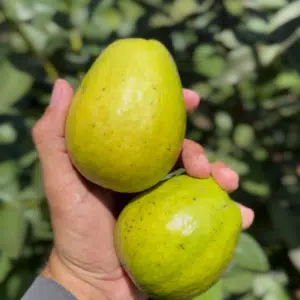
Guava pear (Psidium guajava L.) tropical live big fruit tree 12”-24” tall
The Guava Pear Fruit Tree, scientifically known as Psidium guajava, is a unique variety of guava that produces pear-shaped fruits with a deliciously sweet and aromatic flavor. This tropical and subtropical fruit tree is widely grown for its nutritious fruit, ornamental beauty, and adaptability to various growing conditions. The guava pear tree is a favorite among home gardeners and orchard growers due to its high fruit yields, drought tolerance, and low maintenance requirements.
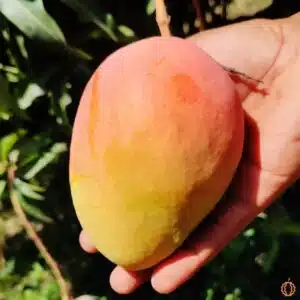
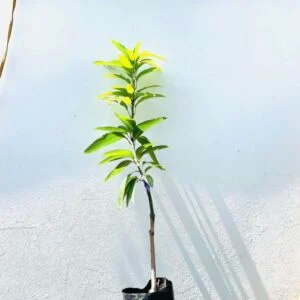
Grafted mango ( mangifera) tropical fruit tree Edward 3’-4’ tall
Edward mangoes are prized for their exceptional sweetness, rich flavor, and smooth texture. They are a popular choice for fresh consumption, juicing, and culinary uses due to their delightful taste and minimal fiber content. Whether enjoyed on its own or incorporated into various dishes, Edward mangoes are a delicious and versatile tropical fruit variety.
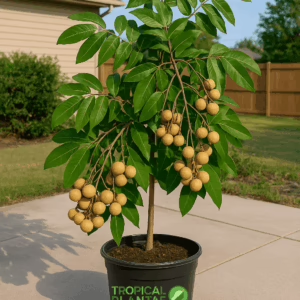
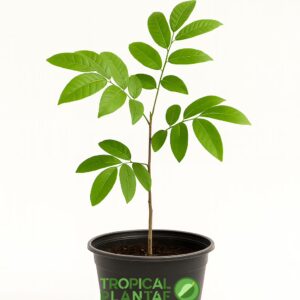
Longan (Dimocarpus longan) tropical live fruit tree 12″-24″
The longan tree, scientifically known as Dimocarpus longan, is a tropical fruit tree celebrated for its sweet, aromatic fruit and attractive evergreen foliage. Closely related to lychee and rambutan, the longan is widely grown throughout Southeast Asia, the Caribbean, and warm regions of the United States. This tree is known for producing clusters of round, golden-brown fruit with translucent flesh and a delightful musky-sweet flavor. Its reliable fruiting, manageable size, and ornamental value make it a popular choice for home gardens and small tropical orchards.
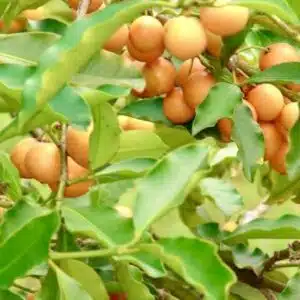
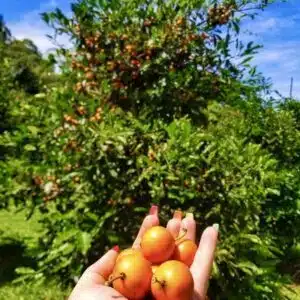
Lemon Drop Mangosteen (garcinia intermedia) Fruit Tree 3″-12″
Garcinia intermedia, commonly known as lemon drop mangosteen or camias, is a tropical fruit tree celebrated for its unique and zesty fruit. This remarkable tree, with its glossy green leaves and tangy, citrus-like berries, invites you to explore its refreshing taste and the potential health benefits it offers.
Zesty Tropical Delight:
The fruit of the Garcinia intermedia tree resembles small, round, and yellow to orange berries. These berries have a flavor profile reminiscent of citrus fruits, with a tangy and slightly sour taste. They can be eaten fresh, used in salads, or made into refreshing beverages and jams
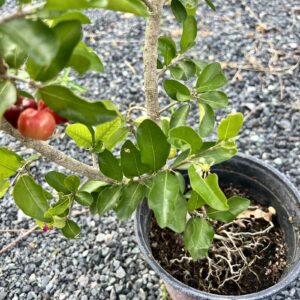
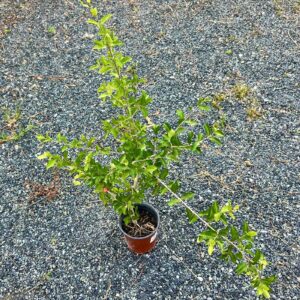
Big Acerola ( Malpighia emarginata) tropical live fruit tree 12″-24″
Big Acerola Tree: The Tropical Paradise
Are you ready to embark on a journey to the lush, sun-kissed landscapes of the tropics right from the comfort of your home? Look no further than the Acerola tree, a delightful addition to any garden or landscape. In this online sale, we introduce you to this remarkable fruit tree, and we will guide you on how to plant, nurture, and enjoy the bountiful harvest of this tropical gem.


Sugar apple (Annona squamosa ) big live fruit tree 12”-24”
Savor the Sweetness of Sugar Apple Trees: Nature's Natural Candy Store
Get ready to embark on a delectable journey with the sugar apple tree, now available for online purchase! The sugar apple, scientifically known as Annona squamosa, is a tropical treasure that brings a taste of paradise right to your garden. With its scrumptious fruit, distinctive appearance, and cultural significance, the sugar apple tree is a must-have for any gardening enthusiast.
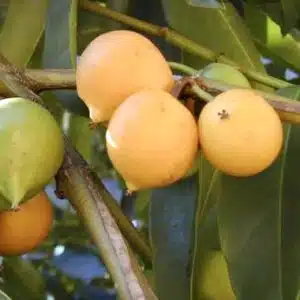
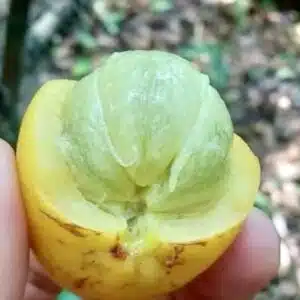
Yellow Mangosteen (Garcinia xanthochymus) Live Fruit Tree 12″-24″
The Yellow Mangosteen tree, scientifically known as Garcinia xanthochymus, produces small, round fruits with a vibrant yellow rind and sweet, tangy flesh. It reaches a height of 20 to 40 feet with glossy foliage and an upright, pyramidal shape. Plant in a sunny location with well-drained soil and water regularly. Yellow Mangosteen trees thrive in warm climates and can be grown in containers with proper care. Consider adding a Yellow Mangosteen tree to your garden for its delicious fruits and ornamental value.
When you purchase a fruit tree from us, rest assured that we prioritize swift and efficient delivery. Following the receipt of your payment, we dispatch your tree the very next day through USPS, ensuring a quick transition from our care to yours. Our fruit trees are not only certified by the USDA, guaranteeing their quality and adherence to stringent agricultural standards, but they also come with a 30-day guarantee. Should you encounter any issues within this period, please don't hesitate to contact us at the number provided above. For a faster resolution, we recommend sending pictures or explaining the situation with your order number. This allows us to understand the issue fully and take the necessary steps to make things right for you.
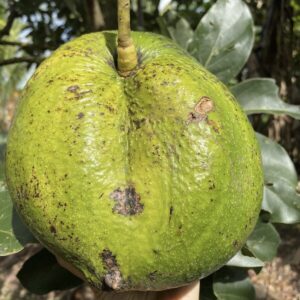
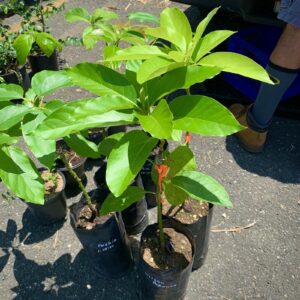
Grafted Avocado marcus (Persea americana) tropical live fruit tree 12”-24”
Marcus Pumpkin Variety Avocado (Persea americana). This unique avocado variety, known for its unusual shape and rich flavor, promises not only a delicious addition to your culinary endeavors but also the satisfaction of nurturing a thriving fruit tree.
Interesting Fact
The Marcus Pumpkin Variety Avocado is not only known for its unique appearance and delicious taste but also for its historical significance. This avocado variety has been cultivated for centuries, with roots tracing back to ancient civilizations in Central and South America. It was highly prized by indigenous cultures for its rich flavor and nutritional value. Today, it continues to be a symbol of tradition and a source of culinary delight, making it a valuable addition to any garden or orchard.