
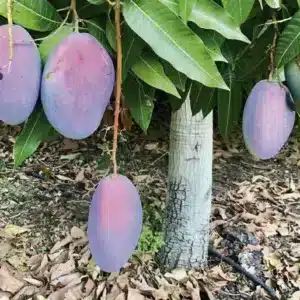
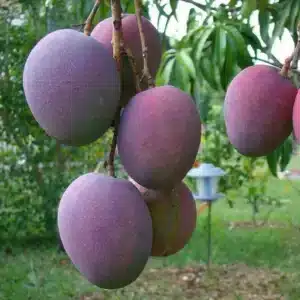
Grafted Mango Palmer (manglifera) big fruit tree 3’-4’
Grafted Palmer Mango Tree: A Lush Oasis of Flavor and Abundance
Imagine stepping into your very own tropical paradise, where the air is scented with the sweet aroma of succulent mangoes and the landscape is adorned with lush green foliage. The Grafted Palmer Mango Tree (*Mangifera indica*), with its delectable fruits and vibrant presence, invites you to experience the joy of cultivating your own mouthwatering harvest and savoring the essence of the tropics.
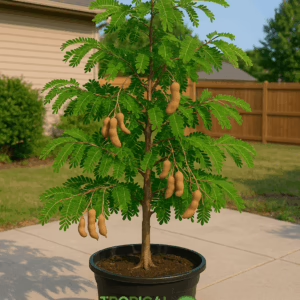
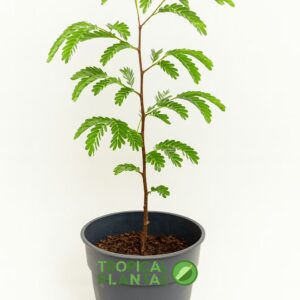
Tamarind fruit tree (tamarindus indica)
Tamarind, scientifically known as Tamarindus indica, is a tropical fruit-bearing tree renowned for its tangy and highly flavorful fruit. The tamarind tree is native to Africa but has been widely cultivated and naturalized in tropical and subtropical regions around the world. Tamarind fruit is used extensively in culinary, medicinal, and even industrial applications due to its sour taste, nutritional benefits, and versatility. The sour variety of tamarind is especially popular for adding acidity and complexity to dishes and drinks.
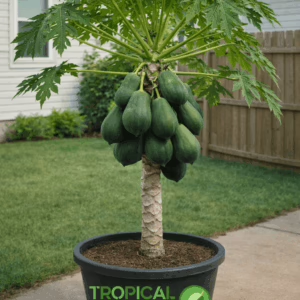
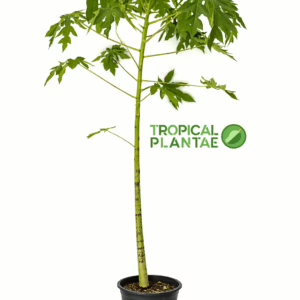
Hanging Papaya (Carica papaya) Seedling – Live Tropical Fruit Plant – Fast Growing – USDA Certified
The Hanging Papaya variety is a unique type of papaya known for its distinct growth pattern and productive fruiting habit. Unlike the typical papaya tree, where fruits grow in clusters along the trunk, the Hanging Papaya variety produces its fruits on hanging stems that dangle from the tree’s crown, making it easy to identify and harvest. This tropical fruit tree is a great addition to gardens and farms, particularly in warm climates, where its fast growth and abundant fruit production make it an appealing choice.
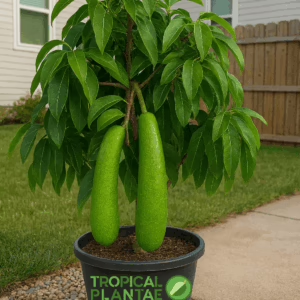
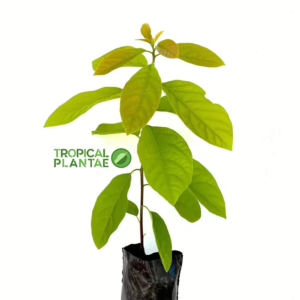
AVOCADO LONG NECK FRUIT TREE ( persea americana )
The Avocado Longneck tree is a remarkable tropical variety that offers you the chance to plant something today that will transform your outdoor space and bring lasting value to your home. Known for producing long, bottle-shaped avocados with rich, creamy flesh, this tree becomes a future source of abundance and beauty. Planting it now means you begin a journey that grows with you, adding purpose, freshness, and natural elegance to your environment. Tomorrow, when you see this young tree settling into the soil, you’ll feel that sense of progress—the feeling that you’re building something meaningful that continues rewarding you year after year.
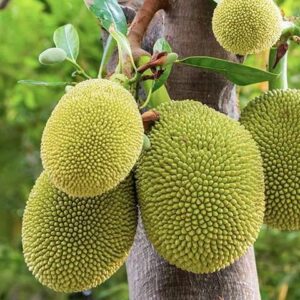
Jack fruit tropical fruit tree 1’-2’ tall
Jack fruit, scientifically known as Artocarpus heterophyllus, is a tropical tree and fruit that stands as a symbol of abundance, versatility, and wholesome nutrition. This remarkable tree, celebrated for its enormous fruit and diverse culinary applications, invites you to explore the rich world of jackfruit and its role in nourishing both body and soul.
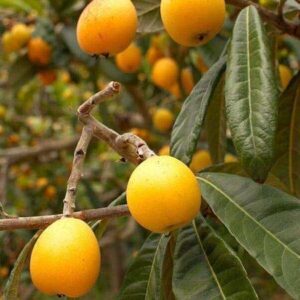
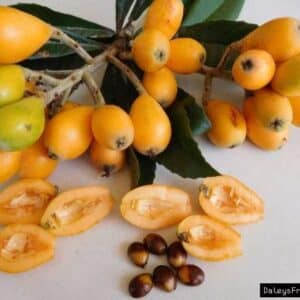
Loquat (Eriobotrya japonica) tropical live fruit tree 1’-2’
Eriobotrya japonica, commonly known as the loquat tree or Japanese plum, is a versatile and ornamental fruit tree that combines beauty with delicious and nutritious fruit. This tree, celebrated for its attractive foliage, fragrant blossoms, and sweet, tangy fruit, invites you to explore its dual role as an ornamental plant and a source of culinary delight.
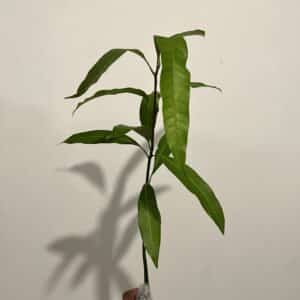
Mango Palmer ( manglifera ) tropical live fruit tree 1′- 2′ feet
Mango Palmer seedlings are grown from seeds of the Palmer mango variety, a well-known and prized mango cultivar that originated in Florida. The Palmer mango is cherished for its large size, vibrant color, and rich, sweet flavor. Although seedlings do not always produce fruit identical to the parent plant, the Palmer variety is often propagated this way in tropical and subtropical regions.
The Mango Palmer seedling tree can grow to a height of 15 to 30 feet, depending on the growing conditions and care it receives. Like other mango trees, it has a dense, upright growth habit with large, lance-shaped, glossy green leaves. Palmer mango seedlings are fast-growing and can establish themselves quickly in warm climates with the right care.
The fruit of the Palmer mango, once the seedling matures, is typically medium to large, with an elongated oval shape. The skin is smooth and turns from green to yellow-orange with a pinkish-red blush as it ripens. The flesh inside is juicy, with a deep orange color and a rich, sweet flavor, often with a mild tanginess. The flesh is generally fiberless or has minimal fibers, making it a popular choice for fresh consumption and culinary uses like smoothies, salads, and desserts.
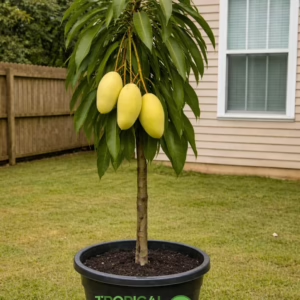
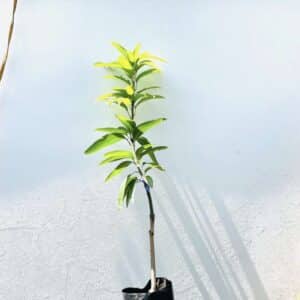
Grafted Mallika Mango Tree – Premium Tropical Fruit Tree – Live Plant – USDA Certified
The grafted Mallika mango tree is a refined and highly rewarding tropical fruit tree that brings structure, beauty, and long-term satisfaction to your garden from the moment it is planted. Choosing a grafted Mallika mango today means that tomorrow your outdoor space already feels more purposeful and full of promise. This variety is appreciated for its reliable growth and the sense of fulfillment it provides as it matures into a productive and elegant tree.
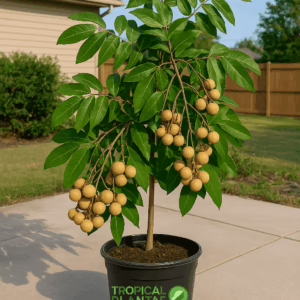
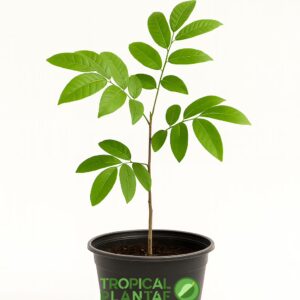
Longan (Dimocarpus longan) tropical live fruit tree 12″-24″
The longan tree, scientifically known as Dimocarpus longan, is a tropical fruit tree celebrated for its sweet, aromatic fruit and attractive evergreen foliage. Closely related to lychee and rambutan, the longan is widely grown throughout Southeast Asia, the Caribbean, and warm regions of the United States. This tree is known for producing clusters of round, golden-brown fruit with translucent flesh and a delightful musky-sweet flavor. Its reliable fruiting, manageable size, and ornamental value make it a popular choice for home gardens and small tropical orchards.
Lemon Drop Mangosteen (garcinia intermedia) Fruit Tree 3″-12″
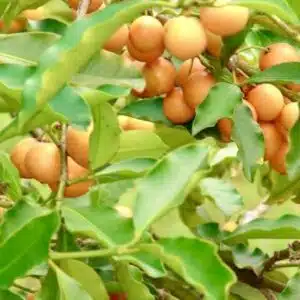
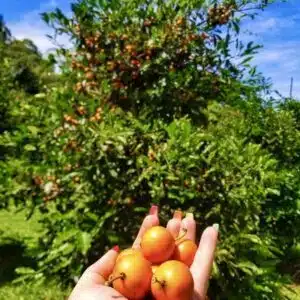
Garcinia intermedia, commonly known as lemon drop mangosteen or camias, is a tropical fruit tree celebrated for its unique and zesty fruit. This remarkable tree, with its glossy green leaves and tangy, citrus-like berries, invites you to explore its refreshing taste and the potential health benefits it offers.
Zesty Tropical Delight:
The fruit of the Garcinia intermedia tree resembles small, round, and yellow to orange berries. These berries have a flavor profile reminiscent of citrus fruits, with a tangy and slightly sour taste. They can be eaten fresh, used in salads, or made into refreshing beverages and jams
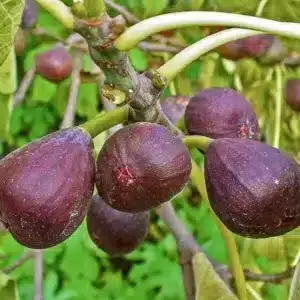
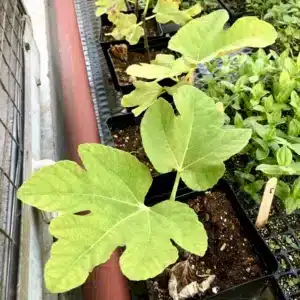
Fig ( Ficus carica ) tropical live plant
Step into a world where nature's artistry takes center stage, where each leaf whispers stories of ancient traditions and the passing of generations. The Ficus Fig Tree (*Ficus carica*), a symbol of grace and abundance, invites you to immerse yourself in the timeless beauty of its foliage and the delectable sweetness of its fruits.


Babylonian White Pomegranate Tree (Punica granatum) – Live Fruit Tree – Rare Variety – USDA Certified
The Babylonian White Pomegranate Tree is a rare and elegant variety of Punica granatum that brings refinement, character, and long-term enjoyment to any garden from the moment it is planted. Choosing this tree today means that tomorrow your outdoor space already feels more intentional and distinctive. This variety is appreciated for its graceful growth, soft-colored fruit, and timeless presence, making it a meaningful addition to gardens where beauty and individuality matter.