
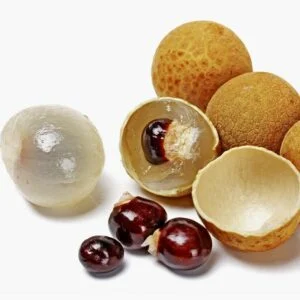
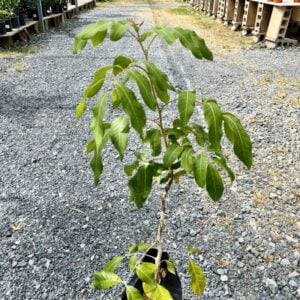
Grafted Longan (Dimocarpus longan) tropical live fruit tree 12″-24″
Grafted longan trees scientifically known as Dimocarpus longan are tropical fruit trees that produce sweet juicy fruits similar to lychees Originally from Southeast Asia longan has become a popular fruit in warm climates around the world Grafting is a preferred propagation method for longan trees as it ensures consistent fruit quality shorter time to fruit production and better disease resistance compared to seed-grown trees.
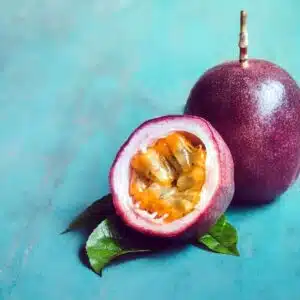
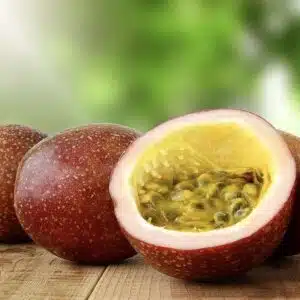
Purple Passion fruit (Passiflora edulis) fruit live plant 10″ -12″ Exquisite
The name "passion fruit" is believed to originate from Spanish missionaries in South America who thought the flower's intricate structure resembled religious symbols. The central part of the flower, called the "corona," was thought to represent the crown of thorns, while the radiating petals symbolized the apostles. The vine's tendrils were seen as a reminder of the whips used during the Passion of Christ.
This association with religious symbolism led to the name "passion flower" and eventually "passion fruit" for the fruit produced by the vine. So, every time you enjoy the delicious flavor of Red Passion Fruit, you're not just savoring a tropical delicacy but also a piece of botanical history with ties to religious imagery.


Grumichama or Brazilian Cherry (Eugenia brasiliensis) tropical livefruit tree 1′-2′ feet
Grumichama, is a charming and rewarding tropical fruit tree. Its sweet, cherry-like fruit, lush foliage, and adaptability make it a favorite among gardeners and fruit enthusiasts. With proper care, including regular watering, fertilizing, and pest management, the tree will thrive and provide bountiful harvests for years to come. Whether grown for its fruit or ornamental appeal, the Grumichama is a valuable addition to any tropical or subtropical garden.
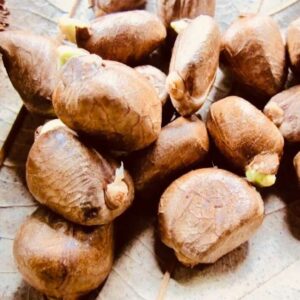
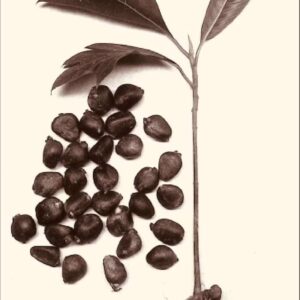
20 Breadfruit seeds (Artocarpus camansi )
Are you looking for a unique and nutritious addition to your garden or farm? Look no further than the breadfruit tree! Not only does this tree produce a delicious and versatile fruit, but it is also packed with essential vitamins and minerals. And the best part? You can grow your own breadfruit tree from seeds!
Breadfruit trees, also known as Artocarpus altilis, are native to the South Pacific but are now grown throughout the tropics. The trees can grow up to 20 meters tall and have large, glossy leaves that provide ample shade. The fruit of the breadfruit tree is round or oblong and can weigh up to 5 kg. It has a starchy, potato-like texture and a mild, nutty flavor that is perfect for use in a variety of dishes.
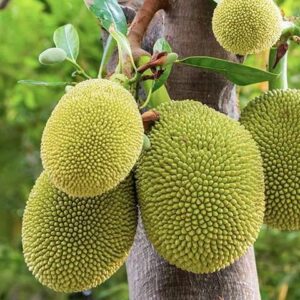
Jack fruit tropical fruit tree 1’-2’ tall
Jack fruit, scientifically known as Artocarpus heterophyllus, is a tropical tree and fruit that stands as a symbol of abundance, versatility, and wholesome nutrition. This remarkable tree, celebrated for its enormous fruit and diverse culinary applications, invites you to explore the rich world of jackfruit and its role in nourishing both body and soul.
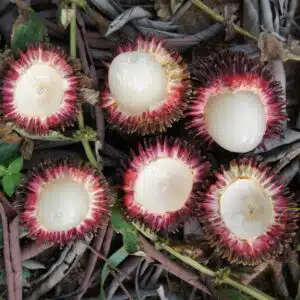
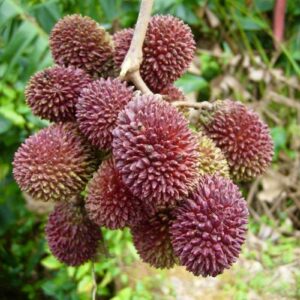
Pulasan (Nephelium ramboutan-ake) Exotic fruit tree 12″-24″
Pulasan (Nephelium ramboutan-ake) is a tropical fruit closely related to the rambutan and lychee, known for its juicy, sweet, and aromatic fruit. Native to Malaysia and parts of Southeast Asia, pulasan has gained popularity for its unique appearance and delectable flavor, making it a prized fruit in tropical regions. The tree, which produces clusters of round, hairy-skinned fruit, is commonly grown in home gardens, small orchards, and agroforestry systems due to its beauty, productivity, and delicious fruit.
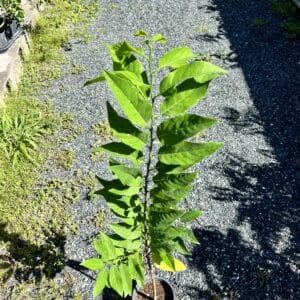
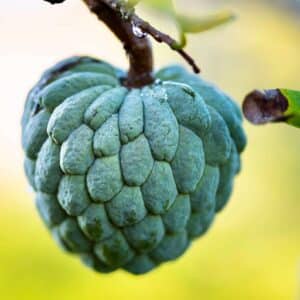
Red Sugar apple (Annona squamosa ) live fruit tree 3’-4’ feet flowering soon
Revealing the Red Sugar Apple Tree: An Orchard of Exquisite Delight
Enter a world where sweetness is painted in hues of red and green, where the air carries the aroma of delectable treats waiting to be savored. The Red Sugar Apple Tree (*Annona squamosa*), an embodiment of natural indulgence, invites you to discover the joy of growing your own luscious fruits and relishing the harmonious blend of flavor and fragrance.
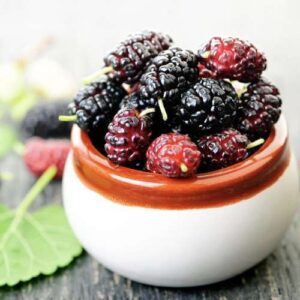
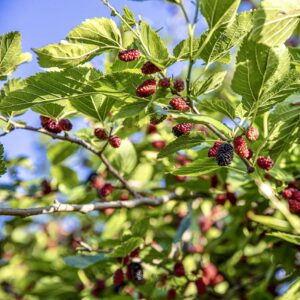
Mulberry (Morus) tropical fruit tree 1’-2’
Mulberry, scientifically known as Morus, is a deciduous tree cherished for its sweet and juicy fruit, as well as its leaves that serve as essential food for silkworms. This remarkable tree, celebrated for its versatile uses, invites you to explore its succulent berries, nutritional benefits, and the historical significance it holds.
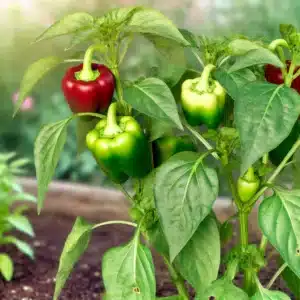
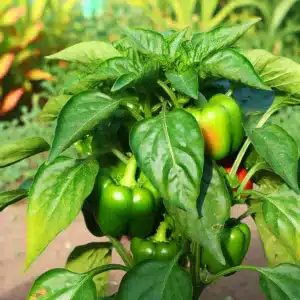
Bell Pepper (Capsicum annuum) 12″- 24″ inches tall
Bell pepper scientifically known as Capsicum annuum is a popular versatile vegetable that is widely grown for its sweet crunchy fruits Unlike other members of the Capsicum family bell peppers are not spicy making them a favorite ingredient in salads stir fries and a wide variety of dishes Bell peppers come in a range of colors including green red yellow orange and even purple with each color representing different stages of ripeness
Bell peppers are warm season plants that typically grow as bushy compact plants reaching heights of 2 to 3 feet They have bright green leaves and white flowers that give way to the fruit Bell peppers have thick fleshy walls and a hollow interior which contains a central core filled with small flat white seeds The fruit starts green and matures to red yellow or orange depending on the variety with red peppers being the ripest and sweetest
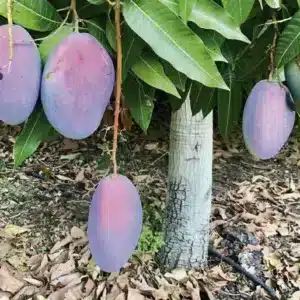
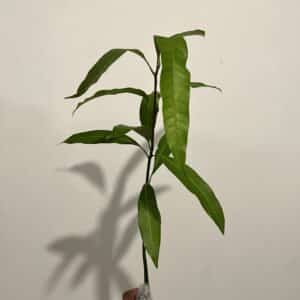
Mango Palmer ( manglifera ) tropical live fruit tree 1′- 2′ feet
Mango Palmer seedlings are grown from seeds of the Palmer mango variety, a well-known and prized mango cultivar that originated in Florida. The Palmer mango is cherished for its large size, vibrant color, and rich, sweet flavor. Although seedlings do not always produce fruit identical to the parent plant, the Palmer variety is often propagated this way in tropical and subtropical regions.
The Mango Palmer seedling tree can grow to a height of 15 to 30 feet, depending on the growing conditions and care it receives. Like other mango trees, it has a dense, upright growth habit with large, lance-shaped, glossy green leaves. Palmer mango seedlings are fast-growing and can establish themselves quickly in warm climates with the right care.
The fruit of the Palmer mango, once the seedling matures, is typically medium to large, with an elongated oval shape. The skin is smooth and turns from green to yellow-orange with a pinkish-red blush as it ripens. The flesh inside is juicy, with a deep orange color and a rich, sweet flavor, often with a mild tanginess. The flesh is generally fiberless or has minimal fibers, making it a popular choice for fresh consumption and culinary uses like smoothies, salads, and desserts.
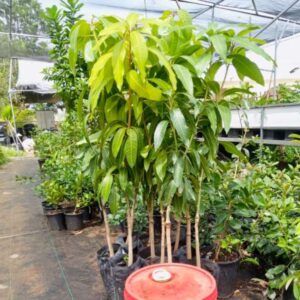
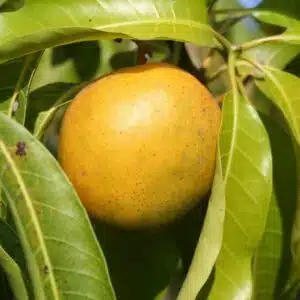
Grafted ‘ Cubano’ Mango tropical Big fruit tree 3′-4′ feet tall
The grafted Mango Cubano variety is a highly sought-after mango known for its sweet and aromatic flavor, making it a favorite among mango enthusiasts. This tropical fruit tree, when grafted, ensures consistency in fruit quality and disease resistance, providing a reliable and productive mango tree for home gardeners and commercial growers alike.
The Mango Cubano tree typically grows to a height of 30 to 40 feet with a dense, spreading canopy. The tree has an upright growth habit and features large, glossy, dark green leaves that add to its lush appearance. Grafting this variety involves joining the stem of a selected Mango Cubano cultivar (the scion) onto the rootstock of another mango tree, ensuring the best traits are passed on.
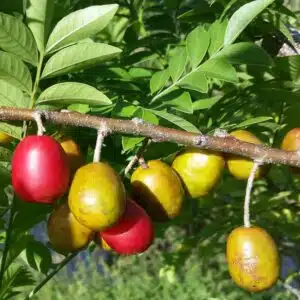
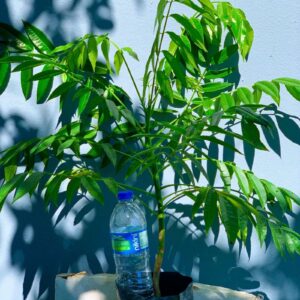
Spanish plum / Red Mombin (Spondias purpurea) topical fruit live tree 12″-24″
spanish plum Spondias purpurea, commonly known as Purple Mombin or Red Mombin, is a tropical fruit-bearing tree that offers a unique blend of flavor and cultural significance. This tree, cherished for its vibrant fruits and various uses, invites you to explore the richness of its taste and the traditions it embodies.
A Tapestry of Flavor and Color:
Spondias purpurea showcases its allure through its striking fruits, which range in color from deep red to purple. The fruit's tangy and juicy flesh presents a delightful mix of sweet and tart flavors, offering a tropical symphony to your taste buds.