
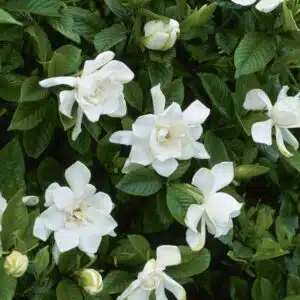
Gardenias (Gardenia jasminoides Ellis) 1’-2’ feet tall
Gardenia (Gardenia jasminoides Ellis) is a highly prized plant in gardening for the beauty and fragrance of its flowers, its attractive bearing and the intense green color of the foliage. In contrast to its ornamental qualities, it is not one of the most used plants in Cuba and other countries, so it is necessary to promote its cultivation. The present review was carried out with the objective of deepening and integrating information on the characteristics, uses, main pests and diseases, and ways of propagation of gardenia. For the development of this species, sunny and warm conditions during the day and cool during the night, relative humidity greater than 60% and acidic soil, rich in iron, are favorable. Among the lesser-known properties of gardenia are the medicinal ones, since its extracts have various pharmacological effects. Its most common diseases are fungal in origin and cause root rot and leaf spots. Among the pests that have the highest incidence are insects (aphids, citrus whitefly, coccids and thrips). Gardenia plants can be propagated by different traditional methods (seeds, air layering, cuttings and grafting), but in vitro cultivation techniques are an efficient way to achieve this purpose, since they allow accelerated multiplication and the obtaining of healthy plants, besides being an alternative for the production of secondary metabolites of pharmaceutical interest.
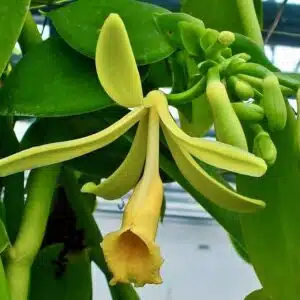
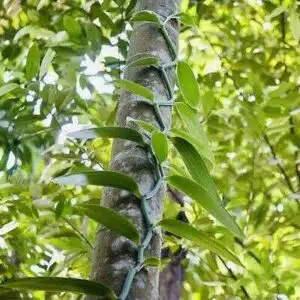
Vainilla (Vanilla planifolia) floral fragrance living plant
The Vanilla Plant, scientifically known as Vanilla planifolia, is a botanical gem that captivates with its exotic aroma and rich flavor. This plant, treasured for its role in producing one of the world's most beloved spices, invites you to delve into the fascinating journey of vanilla cultivation and the allure of its sweet and aromatic beans.
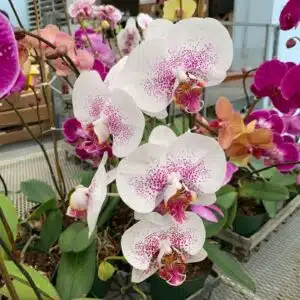
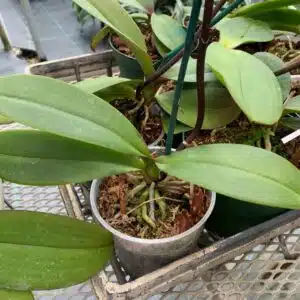
Moon Orchids (Phalaenopsis amabilis) live plant 12″ inches
The Exotic Moon Orchid, scientifically known as **Phalaenopsis amabilis**, is one of the most admired and well-known orchid species in the world. Native to Southeast Asia, the Philippines, and northern Australia, this elegant orchid is celebrated for its striking beauty and long-lasting, moon-like blooms that have made it a favorite among orchid enthusiasts and gardeners.
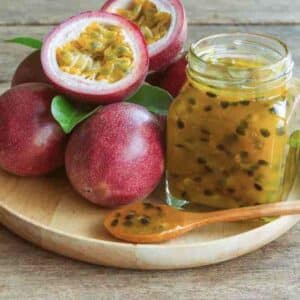
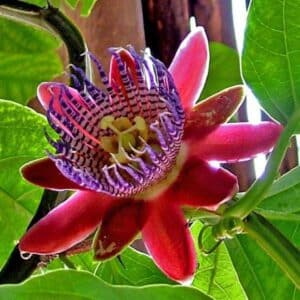
Red passion fruit (Passiflora edulis) fruit live plant 1’-2’
It is not only prized for its delightful taste and nutritional benefits but is also known as a natural sedative. Some people believe that consuming Red Passion Fruit before bedtime can help improve sleep quality due to its calming and anxiety-reducing properties. This makes it a tasty and soothing bedtime snack that may assist in promoting restful sleep.
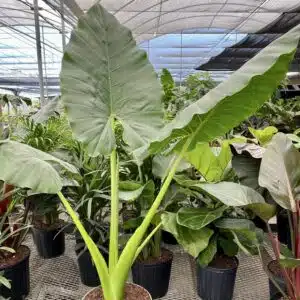
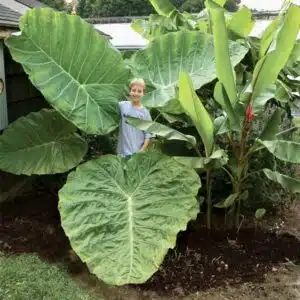
Giant Taro (Alocasia macrorrhiza) live plant 2′-3′ feet tall
Giant Taro or Alocasia macrorrhiza, commonly known as, Giant Elephant Ear, or simply Giant Alocasia, is a spectacular tropical plant that is valued for its enormous, lush leaves and striking appearance. This plant originates from tropical Asia and Australia, where it naturally grows in warm, humid environments. Known for its impressive size, Alocasia macrorrhiza can transform gardens, patios, and indoor spaces with its bold, exotic look, bringing a touch of the rainforest to any setting.
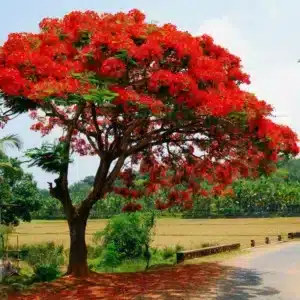
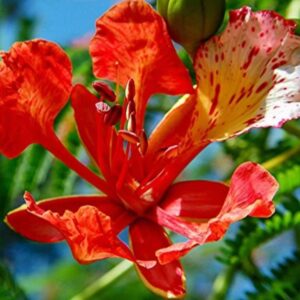
Giant Flame tree (Royal Poinciana) royal tree 4’-5’ feet tall
The Flame tree Royal Poinciana, also known as the flamboyant tree or flame tree, is a stunning ornamental tree that is native to Madagascar. The tree is prized for its spectacular display of large clusters of bright red-orange flowers that bloom in the summer months, creating a striking visual impact. In this description, we will discuss how to plant and care for a Royal Poinciana tree, as well as some of its uses. An interesting fact about the Royal Poinciana tree is that it is known as the national tree of both Barbados and St. Kitts and Nevis. In Barbados, the tree is known as the "Pride of Barbados," and its vibrant red-orange flowers are featured on the country's coat of arms. The tree is also a symbol of the city of Key West, Florida, and is celebrated each year with a Royal Poinciana Festival. Additionally, the wood of the Royal Poinciana tree is known for its natural resistance to termites and is often used in the construction of buildings in tropical regions.
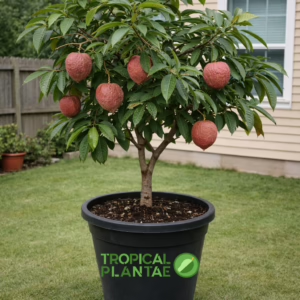
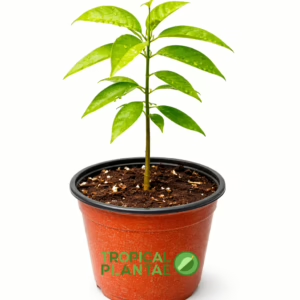
Custard Apple Tree (Annona reticulata) – Live Tropical Fruit Tree – USDA Certified
The Custard Apple Tree (Annona reticulata) , is a beautiful and rewarding tropical fruit tree that brings character, productivity, and long-term enjoyment to your garden from the moment it is planted. Choosing this tree today means that tomorrow your outdoor space already feels more vibrant, more purposeful, and full of promise. This is a tree appreciated for its elegant growth habit, lush foliage, and the anticipation that comes with watching it mature into a productive feature of your landscape.
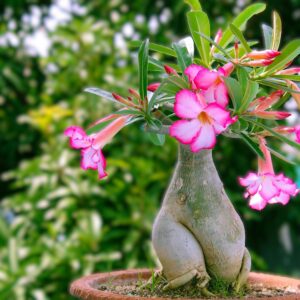
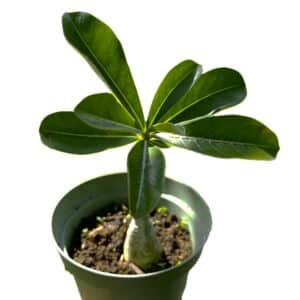
Desert Rose (Adenium obesum) live plant
The Rosa del Desierto also known as Desert Rose and scientifically as Adenium obesum is a unique succulent plant cherished for its stunning trumpet-shaped flowers and thick sculptural trunk Native to arid regions of Africa and the Arabian Peninsula the Desert Rose has become a popular plant in warm climates and as an indoor plant worldwide due to its striking appearance resilience and ease of care Its flowers which come in shades of pink red white and sometimes bi-color patterns add vibrant color to gardens patios and indoor spaces
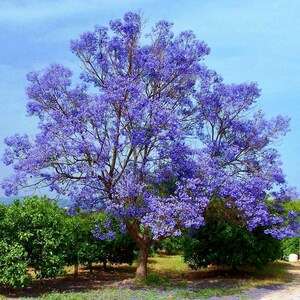
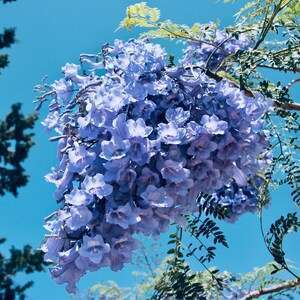
Jacaranda blue tree (jacaranda mimosifolia) tropical super exotic tree 8”-18”
Jacaranda, scientifically known as Jacaranda mimosifolia, is a stunning ornamental tree native to South America, particularly Brazil and Argentina. Renowned for its vibrant, purple-blue flowers and fern-like leaves, the Jacaranda tree has become popular in warm, subtropical, and tropical regions around the world. It is especially appreciated for its striking floral display, which transforms landscapes into breathtaking scenes of color when the tree is in full bloom.
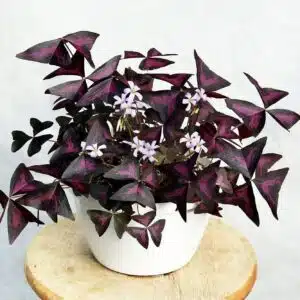
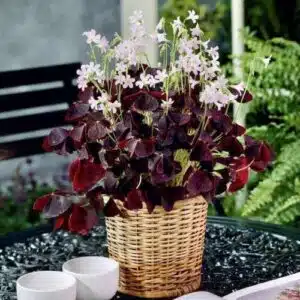
False Shamrock ( Oxalis Triangularis ) Ornamental Live Plant 10”-20”
Embracing the Allure of the False Shamrock: Nature's Enigmatic Three-Leaf Wonder
Step into a world where botanical mysteries unfold, and the charm of a rare foliage becomes a treasure to be discovered. The False Shamrock, scientifically known as Oxalis triangularis, invites you to explore the enigmatic beauty of its three-leaf wonders, an ode to the intricate elegance that nature weaves.
Poisonous: It's important to be aware that certain species of Oxalis, such as Oxalis triangularis, may contain oxalic acid, which can be toxic if consumed. Caution should be exercised when handling the plant, and it's advisable to keep it out of reach of children and pets. In case of ingestion, seek prompt medical attention. The toxicity of oxalic acid found in plants like Oxalis triangularis can vary. In moderate quantities, it might cause irritation or discomfort if ingested. However, consuming larger amounts could potentially lead to more serious health effects. It's best to avoid ingestion and take necessary precautions to prevent any potential harm. If there is concern about exposure or consumption, seeking medical advice is recommended.
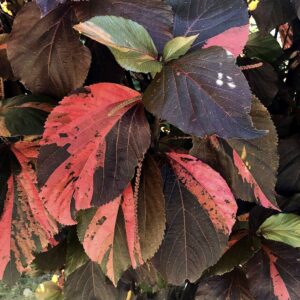
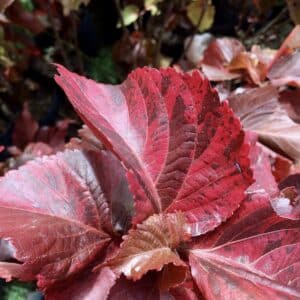
Copper Leaf (Acalypha wilkesiana) live ornamental plant 12″ -24″
The Copper Leaf Plant, scientifically known as Acalypha wilkesiana, is a striking tropical shrub celebrated for its vibrant and colorful foliage. Native to the Pacific Islands, this plant belongs to the Euphorbiaceae family and is widely cultivated as an ornamental plant in gardens, landscapes, and containers. Its bold, coppery-red, green, pink, or bronze-colored leaves make it a popular choice for adding a dramatic splash of color to any setting.
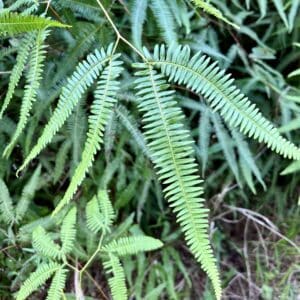
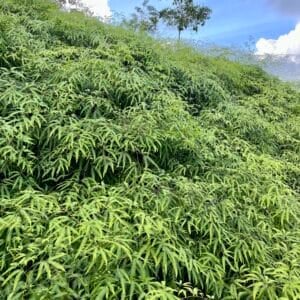
Old World forked fern tropical live plant 12″
The Old World Forked Fern, scientifically known as Dicranopteris linearis, is a fern species native to tropical and subtropical regions across Asia, Africa, and Australia. It features finely divided fronds that grow in a distinctive forked pattern along a central stem. This fern prefers moist, well-drained soil and partial to full shade, making it suitable for use as a ground cover or potted plant. With its ornamental value and historical significance, the Old World Forked Fern is a charming addition to any garden or indoor space.
When you purchase a from us, rest assured that we prioritize swift and efficient delivery. Following the receipt of your payment, we dispatch your tree the very next day through USPS, ensuring a quick transition from our care to yours. Our fruit trees are not only certified by the USDA, guaranteeing their quality and adherence to stringent agricultural standards, but they also come with a 30-day guarantee. Should you encounter any issues within this period, please don't hesitate to contact us at the number provided above. For a faster resolution, we recommend sending pictures or explaining the situation with your order number. This allows us to understand the issue fully and take the necessary steps to make things right for you.